
HOW TO CHOOSE THE BEST DOG BREED FOR YOUR LIFE-STYLE
One of the most exciting—and occasionally overwhelming—decisions you will ever make as a pet owner is selecting a breed of dog.
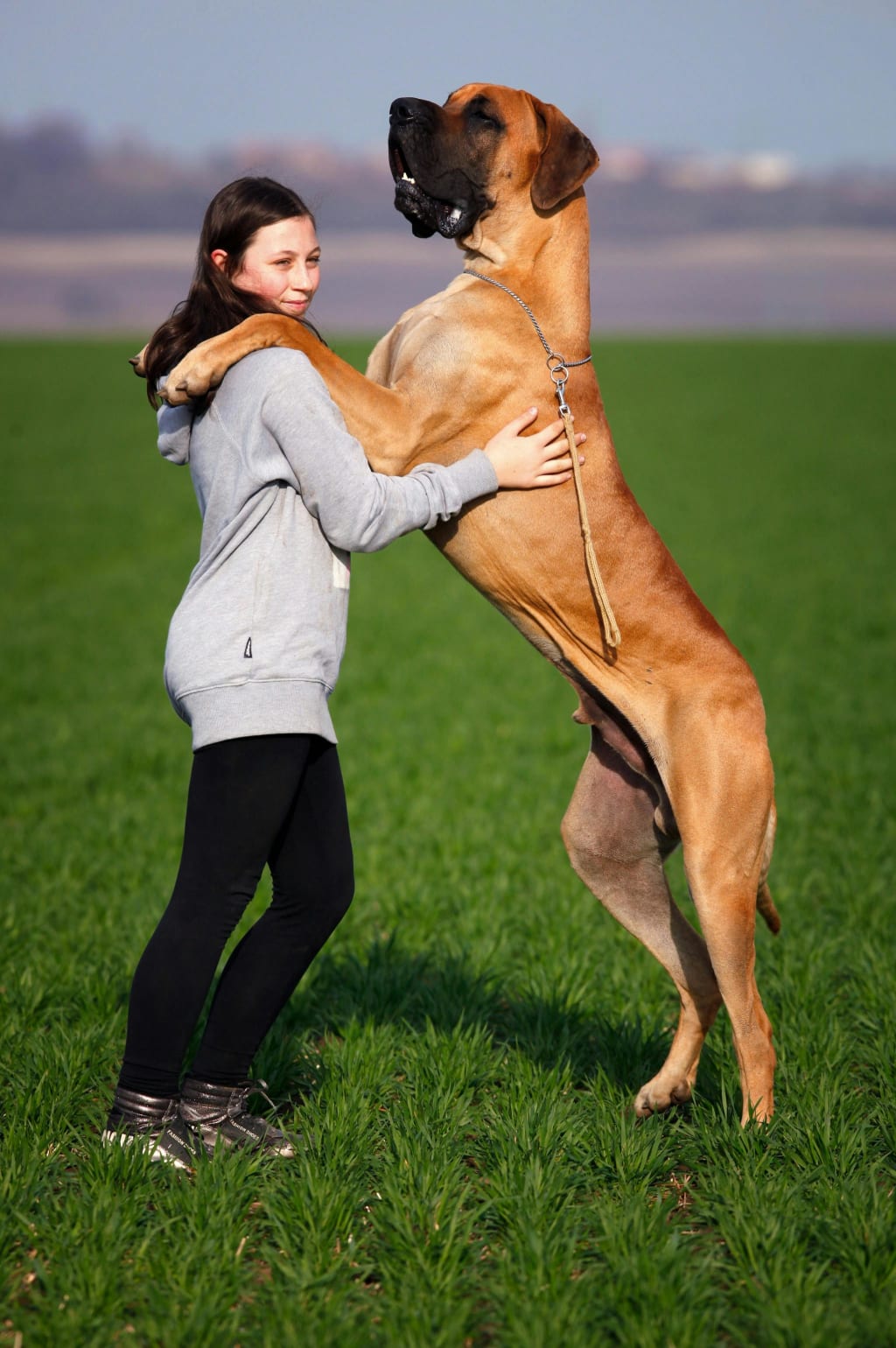
It is quite easy to fall into this trap: you pick a dog simply because it looks cute or is doing something spectacular, but finding the right breed for your lifestyle is the only key to a harmonious, stress-free life together.
I will explain in detail in this article how to select a breed that actually best fits your needs and lifestyle, sharing in it my experience accrued over the years of owning dogs and being an avid pet enthusiast.
1. Assess Your Living Situation
Probably the first important thing to know when finding the right breed is where you reside.
If you live in an apartment, a large dog that is highly energetic probably is not going to be the best choice. Smaller breeds, such as French Bulldogs, Shih Tzus, or Dachshunds, would probably be better for living in apartments because they do not need to roam as much.
If you're the lucky few to have a larger house or a yard, then your options broaden up incredibly.
Breeds like Labrador Retrievers and Border Collies are active and would do well in those settings since they have room to exercise and burn off energy.
It is not just about room either; when renting, consider building policies about noise levels and neighbors nearby.
Some dogs are not okay with the neighborhood, especially when they are the quiet types; non-barking breeds such as beagles may disturb them.
2. Consider Your Activity Level
Be honest with yourself about your normal daily routine and your energy levels. Some breeds require much more exercise than others, and if dogs don't get enough exercise, they can have health or behavioral problems.
If you are a super energetic person, breeds such as Border Collies, Australian Shepherds, or Jack Russell Terriers will be a great companion since they are ready for a hike, a run, or agility training at any time.
Breeds with minimal exercise needs may be something you are interested in if you enjoy a laid-back lifestyle.
Bulldogs, Basset Hounds, and Pugs are among the breeds that generally take it easy, with bursts of exercise. The other thing to note is that many low-energy dogs are an absolute delight as companions for senior citizens or for people who like walking at a slower pace.
CHECK OUT THE BEST DOG TRAINING GUIDE
3. Grooming Needs
While some breeds of dogs can get away with having really low-maintenance coats, others really require a great deal of upkeep.
Whereas Poodles and Shih Tzus are certainly handsome creatures, for example, they necessitate frequent treatments of grooming in order to keep their coats healthy and untangled.
Other dogs, such as Golden Retrievers, have fur that sheds at certain periods of the year.
Quite often, these dogs should be brushed on a regular basis in order to keep the fur from getting out of control.
If you don't have much time or just do not want to be bothered with regular grooming, breeds such as Boxers or Beagles will be the low-maintenance companions.
Knowing what to expect from a breed in terms of grooming will save you from an unknown, time-consuming routine.
4. Evaluate Your Family Relationships
If you are or will become a parent, it is very important to choose breeds known for their friendly and tolerant nature.
Breeds such as Beagles, Labradors, and Golden Retrievers are often described as "family dogs" for good reason. They often enjoy being active in the family and gentle and patient.
Single persons or those in a childless relationship may have more leeway in breed selection, however.
You may be able to opt for Shiba Inus or Chihuahuas, for example, which are probably not the most ideal breeds for young children due to the often independent or sensitive nature of the animals.
Keep in mind that youngsters must be watched at all times around pets and training is required so kids and canines respect one another.
CHECK OUT THE BEST DOG TRAINING GUIDE
5. Be Climate Specific
It's crucial to know the weather you have in your area, mainly because breeds may be sensitive to a certain type of climate.
Dogs with thick coats, like Malamutes and Huskies, can give poor performance if kept in a hot climate and are best suited for cooler regions. Shorter-coated dogs like Dalmatians or Greyhounds might need extra covering during winter but may do wonders in the hot climate.
A general choice among different climates may be picking breeds with average coat thicknesses, such as a Labrador Retriever. Keep in mind continued steps that allow your dog to be at comfort in most extreme temperatures, whether hot or cold.
6. Consider Your Budget for Dog Care
While they can make your life so much more fun, dogs also have costs, some breed-specific. Larger breeds often require more food, while breeds that may be prone to specific health issues.
German Shepherds, for instance, have hip problems; Bulldogs can suffer respiratory problems and may demand more regular veterinary attention. These costs can add up quickly.
For a breed that would be less expensive, research breeds that are generally known to be healthy, such as Australian cattle dogs or beagles. To give your new friend the best life possible, budget for continued expenses in the form of food, grooming, veterinary visits, and preventative medications.
7. Check the breed for temperament and personality.
Having an idea of the peculiar characteristics possessed by the various breeds will therefore allow you to ensure that you and the dog will be compatible.
For instance, if you seek a friend who is always ready to go out for play and is quite outgoing, then a Labrador Retriever fits the bill. They are known to be outgoing and friendly.
Breeds like the Basenji or Akita are more for introspective people who need an attentive companion that is somewhat independent.
Others, like the Border Collie, are truly brilliant and will have to be challenged mentally on a regular basis if they are going to be happy, while others, like Shih Tzus, are just natural lap dogs and will require to stay with you as much as possible.
8. Consider Trainability
While training is good for all dogs, some breeds are easier to train than others.
Breeds like German Shepherds, Poodles, and Border Collies are very apt for a first-time dog owner wanting to invest time in training his or her pet due to their intelligence and disposition toward learning.
With adequate time and attention, these dogs can be great in agility, stunts, and obedience.
Training independent breeds, such as bulldogs or Afghan Hounds, are tougher. Although they no doubt can be trained, they may require more time and different methods that might not suit a new dog owner looking for an easy experience.
9. Check Your Home for Allergies
If you or one of your family members has an allergic history, you will want to research hypoallergenic breeds. While no dog is 100% hypoallergenic, some breeds—like Poodles, Schnauzers, and Bichon Frises—release fewer allergens than other breeds, making them easier to live with if you have sensitivities.
Keeping cleaning and grooming on track can also help to tame allergies. Just as many small to medium-sized dogs are deemed 'allergy-friendly', they still need care and maintenance to reduce your home allergens.
10. Consider the Long Term: Adults vs. Puppies
Puppies are undeniably cute, but the training requires a lot of patience and time. If your life is too busy, consider an adult dog whose personality is no longer a guessing game, and who is already house-trained.
If you prefer to skip the "puppy stage," then one of the numerous adult dogs available in shelters, waiting for a permanent home, can be the best fit.
However, if you really want a puppy, make sure that you have the patience and time needed for training in basic things. After all, it's a matter of assessing which alternative works best for your level of commitment and lifestyle. Each option has special advantages.
Conclusion
The perfect breed of dog is an extremely personal choice that would balance practical considerations with instinctive intuition about what brings you most delight.
Your lifestyle, your future plans, and the needs of the breed should all be taken into consideration.
A dog is a family member, a confidant, and a friend-companion, not just a pet. Based on your findings, you can make informed choices to lay the groundwork for a happy, long-lasting companionship with your new best friend by opting for the breed most likely to seamlessly mesh with your lifestyle.
Finally, remember that dogs are dogs, no matter the breed, and they all need love, patience, and attention. When you've selected your breed, be prepared for a life-altering experience that will be loyal and friendly. That's after all what owning a dog is so totally rewarding.
About the Creator
Keep reading
More stories from Bethel Nwabuike and writers in Petlife and other communities.
Off the Leash: The Essential Gear Guide for Adventurous Dogs
There’s something wildly freeing about unclipping the leash and letting your dog move the way they were built to. If you’re hiking in areas that truly allow off-lead exploration, your gear list shifts. No harness. No leash dragging through dust. Instead, it’s about smart, lightweight essentials that keep your dog safe, hydrated, and easy to manage when adventure gets messy. Long walks off lead are less about control and more about preparation.
By Shabbir Ahmad7 days ago in Petlife




Comments
There are no comments for this story
Be the first to respond and start the conversation.