
How to Care for Aging Pets?
Read this blog to know -How to Care for Aging Pets?

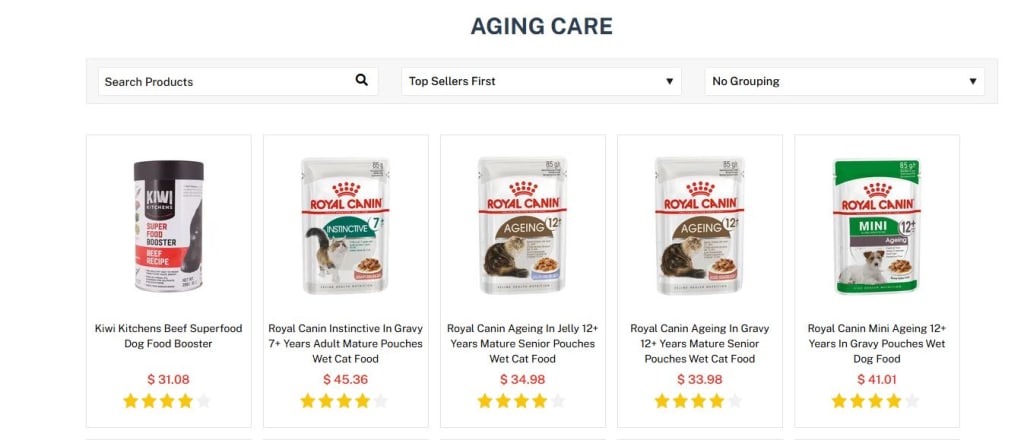
Ever notice how your furry friend has started to slow down? Maybe they don’t jump up as quickly or their play sessions don’t last as long. Just like us, pets grow old — and with age comes change. The good news? With the right care, your senior pet can enjoy their golden years feeling happy, comfortable, and loved. Order Aging Care for pets!
Understanding When Your Pet Is Aging
Signs of Aging in Dogs
Graying fur, especially around the muzzle
Stiffness or limping after rest
Changes in weight or appetite
Increased sleeping
Signs of Aging in Cats
Less grooming, resulting in a duller coat
Reduced playfulness
Difficulty jumping onto furniture
Changes in litter box habits
Recognizing these signs early can help you make the right adjustments to their care.
Nutritional Needs of Senior Pets
Changing Dietary Needs
As pets age, their metabolism slows down. This means they often need:
Fewer calories to prevent weight gain
More fiber for better digestion
High-quality protein to maintain muscle mass
Important Supplements for Older Pets
Glucosamine & Chondroitin for joint health
Omega-3 fatty acids for skin, coat, and heart
Probiotics for gut health
Antioxidants for boosting immunity
Foods to Avoid for Aging Pets
Avoid feeding senior pets:
High-fat table scraps
Excessive treats
Bones that can splinter easily
Exercise and Activity for Aging Pets
Keeping Dogs Active as They Age
While you might not be going on marathon runs anymore, your dog still needs activity:
Short, leisurely walks
Swimming (gentle on the joints)
Puzzle toys to engage their mind
Encouraging Movement in Senior Cats
Older cats may need a little extra motivation:
Feather wands and interactive toys
Cat trees with ramps
Small, frequent play sessions
Activities to Stimulate Their Mind
Don’t let boredom creep in! Try:
Treat-dispensing toys
New scents and safe outdoor exploration
Gentle obedience training refreshers
Regular Veterinary Checkups
How Often Should You Visit the Vet?
Twice a year is a good rule of thumb for senior pets. It helps catch potential issues early.
Common Tests for Senior Pets
Blood tests to monitor organ function
Urinalysis for kidney health
Dental exams
Weight checks
Preventive Care Measures
Stay ahead of issues by:
Maintaining vaccinations
Regular parasite prevention
Keeping track of weight and behavior changes at home
Grooming and Hygiene
Why Grooming Is More Important for Older Pets
Older pets might not be able to clean themselves like they used to. Grooming helps:
Prevent matting and skin infections
Spot lumps or bumps early
Keep them comfortable
Managing Dental Care in Senior Pets
Dental disease is common in older pets. Regular brushing or dental chews and professional cleanings are essential to prevent painful infections.
Managing Age-Related Health Conditions
Arthritis and Joint Issues
Watch for:
Difficulty standing
Reluctance to go up stairs
Limping after naps
Help them with:
Joint supplements
Soft, supportive bedding
Medications prescribed by your vet
Dealing with Vision and Hearing Loss
Use hand signals for dogs with hearing loss
Keep furniture arrangements consistent
Install nightlights for pets struggling to see in the dark
Cognitive Dysfunction Syndrome (CDS)
Symptoms can include:
Confusion or disorientation
House soiling
Restlessness at night
Talk to your vet about dietary support and medication if you notice these signs.
Creating a Comfortable Living Space
Senior-Friendly Home Adjustments
Place food and water bowls at an easy-to-reach height
Add ramps or steps to help pets get onto couches or beds
Use rugs or mats on slippery floors
Orthopedic Beds and Other Essentials
Orthopedic beds cushion sore joints. Consider heating pads in colder weather, but always supervise to prevent overheating.
Mental and Emotional Support for Aging Pets
The Importance of Companionship
Senior pets may need even more attention:
Daily petting sessions
Calm, reassuring voices
Maintaining a familiar routine
Reducing Anxiety in Senior Pets
Try calming pheromone diffusers
Create quiet spaces away from noise
Avoid introducing too many new changes all at once
Recognizing End-of-Life Needs
Understanding Palliative Care
As your pet nears the end of their life, focus on:
Pain management
Emotional comfort
Quality of life over quantity of life
Coping with Pet Loss
Losing a pet is heart-wrenching. Don’t hesitate to reach out to:
Pet grief counselors
Support groups
Friends who understand
Grief takes time, and it’s okay to feel the loss deeply.
Conclusion
Caring for an aging pet means embracing a new phase of your life together. It requires adjustments, patience, and often difficult choices. But those years spent offering comfort, health, and companionship will create memories that last forever. Aging pets may slow down, but their love for you never fades. Give them the golden years they deserve.
FAQs
1. What is the best diet for aging pets?
Senior pets need diets with fewer calories, high-quality protein, and added supplements like omega-3s and glucosamine for joint health.
2. Can senior pets still learn new tricks?
Absolutely! Positive reinforcement training works at any age and keeps their minds sharp.
3. How can I help my senior pet’s joints?
Provide soft bedding, joint supplements, gentle exercise, and consult your vet about medications if needed.
4. What are signs of cognitive decline in pets?
Confusion, restlessness at night, house soiling, and loss of interest in play may signal cognitive dysfunction.
5. How do I know when it’s time to say goodbye?
When your pet no longer enjoys life, experiences chronic pain, or has trouble with everyday activities despite treatment, it may be time to discuss options with your vet.
About the Creator
Thomas Muller
VetSupply is a leading online pet store in Australia with a comprehensive range of products that cater to all your pet care needs.
Keep reading
More stories from Thomas Muller and writers in Petlife and other communities.
How to Use Cat Stress & Anxiety Supplements
Cats may appear independent and aloof, but they are sensitive creatures prone to stress and anxiety. Whether it’s a change in routine, loud noises, travel, or even visits to the vet, many factors can trigger anxiety in cats. Fortunately, stress and anxiety supplements can provide natural and effective support to help calm your feline friend. Check out Cat Stress & Anxiety Supplements!
By Thomas Muller9 months ago in Petlife
Understanding the Causes, Symptoms, and Treatment Options for Colitis in Dogs
Colitis in dogs is a common gastrointestinal condition that affects the large intestine (colon). When the colon becomes inflamed, it can lead to uncomfortable and sometimes alarming symptoms for your pet.
By Dominion Valley Animal Hospital7 days ago in Petlife




Comments
There are no comments for this story
Be the first to respond and start the conversation.