
How Often Should I Give My Dog Milpro?
Wondering how often to give your dog Milpro? Learn the ideal deworming schedule, benefits, and tips for keeping your furry friend parasite-free and healthy.

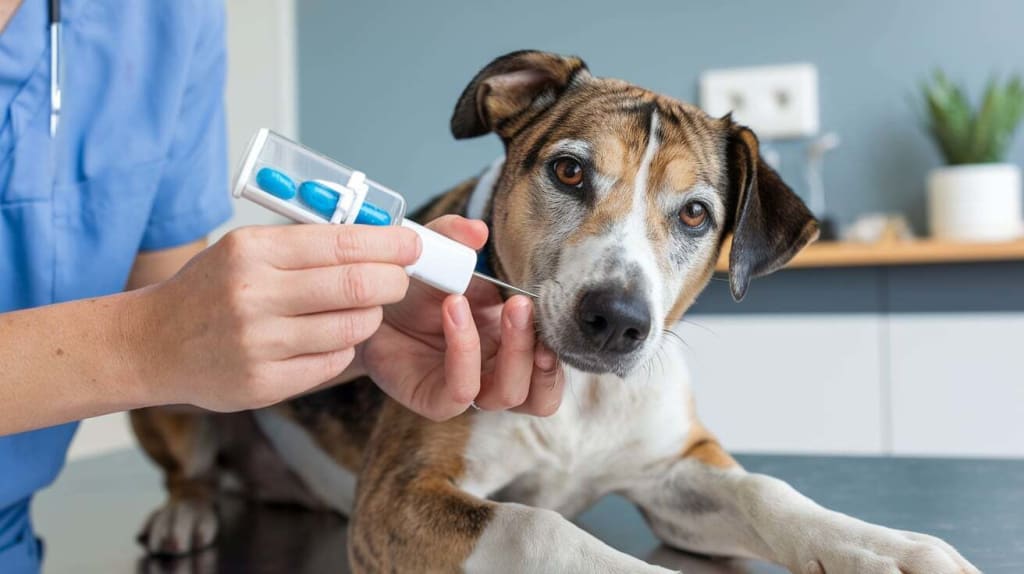
Keeping your dog healthy and happy involves more than just providing food and exercise. One crucial aspect of canine health is regular deworming. Worm infestations can lead to serious health issues for your furry friend, making it essential to follow a deworming schedule. One of the most effective deworming medications available is Milpro. But how often should you give your dog Milpro? Let's dive into the details.
Understanding Milpro
What is Milpro?
Milpro is a broad-spectrum deworming medication designed to treat and prevent various types of worm infestations in dogs. It is known for its efficacy and ease of administration, making it a popular choice among veterinarians and pet owners alike.
Active Ingredients in Milpro
Milpro contains two active ingredients: Milbemycin oxime and Praziquantel. Milbemycin oxime is effective against roundworms, hookworms, and whipworms, while Praziquantel targets tapeworms. This combination ensures comprehensive protection against the most common intestinal parasites.
Benefits of Using Milpro
Using Milpro for your dog offers several benefits:
Comprehensive Protection: Targets multiple types of worms.
Easy Administration: Available in a palatable tablet form.
Proven Efficacy: Backed by extensive research and clinical trials.
Why Regular Deworming is Necessary
Common Parasites in Dogs
Dogs are susceptible to various parasites, including roundworms, hookworms, whipworms, and tapeworms. These parasites can be contracted through contaminated soil, water, feces, or infected prey. order Milpro Allwormer for dogs!
Health Risks Associated with Parasites
Parasites can cause a range of health issues in dogs, from mild digestive disturbances to severe, life-threatening conditions. Common symptoms include vomiting, diarrhea, weight loss, and lethargy. In severe cases, parasites can cause anemia, intestinal blockage, and damage to vital organs.
Signs Your Dog Might Have Parasites
Keep an eye out for signs of worm infestation, such as:
Visible worms in feces or around the anus
Scooting on the ground
Abdominal swelling
Coughing (in cases of lungworm)
Dosage Guidelines for Milpro
Recommended Dosage for Different Dog Sizes
Milpro dosage is based on your dog's weight. It's crucial to follow the dosage instructions provided by your veterinarian or on the product packaging. Generally, the guidelines are as follows:
Small dogs (0.5 - 1 kg): ½ tablet of Milpro for small dogs
Dogs (1 - 5 kg): 1 tablet of Milpro for small dogs
Dogs (5 - 25 kg): 1 tablet of Milpro for medium dogs
Dogs (25 - 50 kg): 1 tablet of Milpro for large dogs
How to Administer Milpro
Administering Milpro is simple. The tablets are designed to be palatable, making it easier to give them directly by hand. Alternatively, you can hide the tablet in a small amount of food. Ensure your dog consumes the entire dose.
Frequency of Administration
The frequency of administering Milpro depends on various factors, including your dog's age, lifestyle, and risk of exposure to parasites. Typically, a monthly dosage is recommended for optimal protection. However, your veterinarian may suggest a different schedule based on your dog's specific needs.
Puppies and Milpro
Special Considerations for Puppies
Puppies are especially vulnerable to worm infestations, and early deworming is crucial. Puppies can contract worms from their mother or the environment, so it's essential to start a deworming regimen early.
Puppy Dosage and Frequency
For puppies, deworming should begin at 2 weeks of age and continue every 2 weeks until they are 12 weeks old. After that, a monthly dosage is recommended until they reach 6 months of age. The dosage should be adjusted according to their weight.
Adult Dogs and Milpro
Dosage and Frequency for Adult Dogs
For adult dogs, a monthly dosage of Milpro is typically recommended. This ensures continuous protection against common parasites. However, dogs with higher risk factors, such as those that spend a lot of time outdoors or interact with other animals frequently, may require more frequent dosing.
Adjustments Based on Lifestyle and Health
Your dog's lifestyle and health can influence the deworming schedule. Dogs that are primarily indoors and have minimal contact with other animals may need less frequent dosing. Conversely, dogs with compromised immune systems or those in high-risk environments may need a more rigorous schedule.
Senior Dogs and Milpro
Adjusting Dosage for Senior Dogs
Senior dogs may have different deworming needs due to age-related changes in metabolism and immune function. Consult your veterinarian to determine the appropriate dosage and frequency for your senior dog.
Special Health Considerations
Older dogs may be more susceptible to the side effects of deworming medications. Monitor your senior dog closely after administering Milpro and report any adverse reactions to your vet.
Safety and Side Effects
Common Side Effects of Milpro
Milpro is generally well-tolerated, but some dogs may experience mild side effects, such as:
Vomiting
Diarrhea
Lethargy
Loss of appetite
How to Handle Side Effects
If your dog experiences any side effects, provide plenty of water and monitor them closely. Most side effects are temporary and resolve on their own. If symptoms persist or worsen, contact your veterinarian.
When to Contact a Vet
Contact your vet if your dog shows signs of a severe allergic reaction, such as swelling, difficulty breathing, or severe vomiting. Immediate veterinary attention may be necessary.
Milpro vs. Other Deworming Medications
Comparison with Other Dewormers
Milpro stands out due to its broad-spectrum efficacy and ease of administration. Compared to other dewormers, Milpro offers comprehensive protection against multiple types of worms with a single dose.
Advantages of Milpro
Convenience: Easy-to-administer tablet form.
Effectiveness: Targets a wide range of parasites.
Safety: Generally well-tolerated with minimal side effects.
FAQs About Milpro
What if I Miss a Dose?
If you miss a dose, administer it as soon as you remember. Then, continue with the regular dosing schedule. Do not give a double dose to make up for the missed one.
Can Milpro be Used for Pregnant Dogs?
Milpro is safe for use in pregnant and lactating dogs, but always consult your veterinarian before administering any medication to a pregnant dog.
Storage Instructions for Milpro
Store Milpro in a cool, dry place away from direct sunlight. Keep the tablets in their original packaging until ready to use.
Can I Give Milpro with Other Medications?
Consult your veterinarian before combining Milpro with other medications. Some drugs may interact with dewormers, affecting their efficacy or causing adverse reactions.
How Soon Will Milpro Take Effect?
Milpro starts working within hours of administration. You may see worms expelled in your dog's feces within a day or two. Full deworming may take a few days.
Conclusion
Regular deworming is essential for maintaining your dog's health. Milpro offers a reliable and effective solution for protecting your dog against a variety of intestinal parasites. By following the recommended dosage and frequency, you can ensure your furry friend remains healthy and happy.
About the Creator
Thomas Muller
VetSupply is a leading online pet store in Australia with a comprehensive range of products that cater to all your pet care needs.
Keep reading
More stories from Thomas Muller and writers in Petlife and other communities.
What is Malaseb Shampoo for Dogs Used For?
As pet parents, we want nothing but the best for our furry companions, especially when it comes to their health. One of the most common concerns for dog owners is skin care. Dogs, like humans, are susceptible to various skin conditions such as infections, allergies, and irritations. For these problems, Malaseb Shampoo has become a go-to solution for many pet owners and veterinarians alike. But what exactly is Malaseb Shampoo, and what is it used for? In this article, we'll dive into the benefits, uses, and everything you need to know about Malaseb Shampoo for dogs.
By Thomas Mullerabout a year ago in Petlife




Comments
There are no comments for this story
Be the first to respond and start the conversation.