
How Human Ingenuity Is Saving the Sea Star: Innovations in Marine Conservation
Creative Solutions Turning the Tide Against Marine Decline

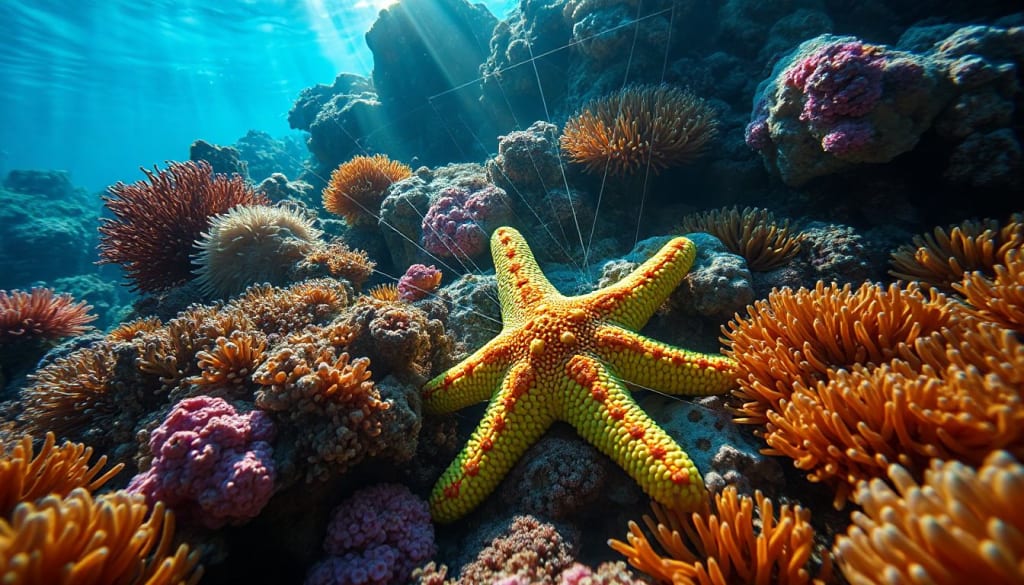
The silent crisis unfolding beneath the waves has a charismatic victim: the sea star, also known as the starfish. Once a common and iconic inhabitant of our oceans, many sea star populations now face big threats. Sea Star Wasting Disease (SSWD) is a major culprit. This severe condition has led to huge population drops, messing up entire marine ecosystems. Seeing a once-healthy sea star fall apart is a clear sign of how delicate ocean life is. It also shows how quickly we need to act.
But even with this sad news, there's good stuff happening. Human smarts, helped by a better grasp of marine biology and a love for conservation, are leading the way. Scientists, conservationists, and even regular people are working together to save these important creatures. They want to pull sea stars back from the edge. This article looks at the amazing ways people are using their brainpower to help sea star populations. It offers a peek into a brighter future for our oceans.
Understanding the Sea Star Crisis: A Multi-faceted Threat
Sea stars are facing some tough times. Many different problems are making life hard for them. Understanding these issues is the first step to figuring out how to help.
The Scourge of Sea Star Wasting Disease (SSWD)
Sea Star Wasting Disease is truly devastating. It starts with white lesions on the sea star's body. Then, their arms might twist and detach. Soon, the entire animal can melt into a gooey mess.
This sickness moves fast and often kills many sea stars. For example, some populations of sunflower sea stars in the Pacific Northwest have dropped by over 90%. A giant outbreak hit the West Coast of North America back in 2013-2014. It left many rocky shores empty of these beautiful creatures.
Scientists think a mix of viruses, bacteria, and warm ocean water might cause SSWD outbreaks. The disappearance of a key predator such as the sea star disrupts the balance of the entire ecosystem.
Beyond Wasting Disease: Other Pressures on Sea Star Populations
SSWD isn't the only problem sea stars face. Our oceans are under stress from many human actions. These extra pressures can make sea stars weaker and more likely to get sick.
Pollution is a big issue. Things like plastic trash and harmful chemicals can hurt sea stars. Habitat destruction, from coastal building to ocean dredging, removes the places sea stars need to live and acquire food. We dump millions of tons of plastic into the oceans every year.
Overfishing can also play a part. Catching too many fish or shellfish alters the food web. Such actions can indirectly harm sea stars by changing their food sources or increasing their competition. Lastly, climate change brings warmer waters and ocean acidification. These changes stress sea stars and make them more vulnerable to disease.
Innovative Research: Unraveling the Mysteries of SSWD
Scientists are not just watching sea stars disappear. They are using clever new ways to find out why SSWD happens and how to stop it. Our human minds and technology are key to these discoveries.
Identifying Pathogens and Triggers
Researchers are working hard to pinpoint exactly what causes SSWD. They are looking for specific viruses or bacteria that might be the main culprits. Using advanced lab tools, they can scan sea star samples for tiny invaders.
Studies also check how environmental conditions act as triggers for the disease. For instance, warmer water can weaken sea stars, making them more open to infection. Experts at marine research centers around the globe are sharing their findings. These discoveries helps everyone piece together the puzzle of SSWD.
Developing Diagnostic Tools and Early Detection
Catching SSWD early can save lives. That's why scientists are building new ways to find the disease before it gets too bad. They use genetic tests that can spot signs of the illness in sea stars even before symptoms appear. This is like a blood test for sea stars.
Other teams are looking for special chemicals, called biochemical markers, in the sea stars' tissues. These markers could signal that a sea star is getting sick. Early detection lets conservationists act quickly. It helps them stop outbreaks from spreading widely.
Genetic Research and Resilience
Some sea stars seem to handle SSWD better than others. Scientists want to know why. They study the genetic makeup of different sea star populations. By mapping out their DNA, they hope to find genes that give some sea stars a natural shield against the disease.
This genetic work could open doors for selective breeding programs. We could raise sea stars that are stronger and more likely to survive SSWD. It helps ensure future sea star populations have a better chance against this illness.
Hands-On Conservation: Direct Interventions for Sea Star Recovery
Science in the lab is important, but direct action in the ocean matters just as much. Many people are getting their hands wet to help sea star populations recover. These efforts make a real difference in the field.
Captive Breeding and Rehabilitation Programs
Some aquariums and marine centers are turning into safe havens for sea stars. Places like the Seattle Aquarium breed sea stars in special tanks. They protect the tiny larvae as they grow into juvenile sea stars. The goal is to create healthy populations that can later be put back into the wild.
It's a tricky job, as baby sea stars need very specific conditions to thrive. But these programs have seen good success. They are slowly growing the numbers of several sea star species. This offers a backup plan for when wild populations struggle.
Habitat Restoration and Protection
Healthy homes make for healthy sea stars. That's why many groups work to restore or protect important sea star habitats. They might plant new kelp forests where old ones have died off. Kelp forests offer food and shelter for many ocean creatures, including sea stars.
Other efforts focus on keeping rocky shores clean and undisturbed. By making sure these habitats are strong, we help the entire ocean ecosystem. This indirect support reduces stress on sea stars.
Targeted Population Management
Sometimes, sea stars need a little direct help. Conservationists might move healthy sea stars from crowded areas to places where numbers are low. This helps spread the population out. It also lets them settle in new, safe spots.
In very specific cases, teams might carefully remove sick sea stars from a small, isolated outbreak. This step is done with great care to avoid stressing the area. It can help slow the spread of disease in a localized setting.
The Power of Citizen Science and Community Involvement
Saving sea stars isn't just for scientists. Regular people can make a huge impact too. When communities get involved, their combined actions become a powerful force for change.
Citizen Science Monitoring Programs
You don't need a science degree to help. Many programs, like "Eyes on Asteroidea," ask everyday citizens to help collect data. Volunteers might walk along beaches or snorkel in shallow waters. They look for sea stars and report on their health or if they've found any.
This citizen science helps researchers gather a lot of information from wide areas. The data tracks where sea stars are doing well and where they are struggling. If you want to help, search online for local citizen science projects in your area. You might find a way to lend a hand.
Public Awareness and Education Campaigns
Teaching others about sea stars is vital. Many groups run campaigns to raise public awareness. They share facts about the threats to sea stars and what's being done to save them. This happens through social media, educational videos, and programs at aquariums.
These efforts help people understand why sea stars matter to our oceans. When people know more, they are more likely to care. Such awareness can lead to changes in how we act and what we support.
Fundraising and Advocacy
Conservation work needs resources. Community support, through donations and fundraising, gives scientists and conservationists the money they need. These funds pay for research, fieldwork, and breeding programs.
People can also speak up for sea stars. This means talking to lawmakers or joining groups that push for stronger ocean protection policies. Your voice and your support provide a big boost to these important conservation efforts.
Looking Ahead: A Sustainable Future for Sea Stars
The journey to save sea stars is ongoing. But with smart thinking and hard work, a hopeful future is within reach. Continuing our efforts is key.
Integrating Research and Conservation Practices
It's super important that what we learn in the lab gets used in the field. Scientists share their discoveries with conservation groups. This way, the efforts to save sea stars are based on the best information we have. When research and hands-on work go together, we get better results. It means every step taken is a smart one.
The Role of Policy and International Cooperation
Protecting our oceans needs big solutions. Strong government policies help shield marine habitats. This includes making sure fishing is sustainable and reducing pollution. Also, countries around the world need to work together. Global problems like climate change affect everyone. By working as a team, we can create a safer home for sea stars everywhere.
A Call to Action: What You Can Do
You can make a real difference for sea stars and the ocean. Start by reducing how much plastic you use every day. Choose seafood that's caught in a sustainable way. You can also give money or time to groups that work to protect marine life.
Look for local beach cleanups or volunteer projects near you. Every small step helps. Your actions really add up to a big impact for our ocean friends.
The ongoing fight to save the sea star is a powerful testament to human ingenuity and our capacity for environmental stewardship. Through dedicated research, innovative conservation techniques, and the growing power of community involvement, there is genuine hope for the recovery of these vital marine creatures. The challenges are significant, but the collective will to protect our oceans and their inhabitants is a driving force for positive change.
...
Thank you for reading! 🌷
🙌 If you enjoyed this story, don’t forget to follow my Vocal profile for more fresh and honest content every day. Your support means the world!
About the Creator
vijay sam
🚀 Sharing proven affiliate marketing tips, smartlink strategies, and traffic hacks that convert. Follow for insights, tools, and real results to help you earn smarter—whether you're just starting or scaling up!
Cleo's First Puppy Show
"How would you feel about doing the Corsicana show in November?" Kathleen asked me last September. Dog exhibitors speak in shorthand that way. It's easier to say "the Corsicana show" than it is to say the "North East Texas American Eskimo Dog Association Show." And yes, "North East." I guess "Northeast" shortened the name too much for some people's taste . . . But I digress. In response, I asked two of the three important questions that every exhibitor thinks, first thing.
By Kimberly J Egan9 days ago in Petlife
Can My Puppy Have CBD Treats? A Guide to Safe Introduction and Benefits
Bringing a puppy home is an exciting milestone filled with playful moments, training challenges, and constant learning—for both you and your new companion. As a responsible pet parent, you want to give your puppy the best possible start in life, which often leads to questions about supplements, calming aids, and overall wellness support. One topic gaining attention is the use of CBD treats for puppies and whether they can be introduced safely during early development.
By CBD Dog Health5 days ago in Petlife




Comments
There are no comments for this story
Be the first to respond and start the conversation.