
How Eco-Friendly Materials Are Changing the Wholesale Cat Tree Industry
Cat
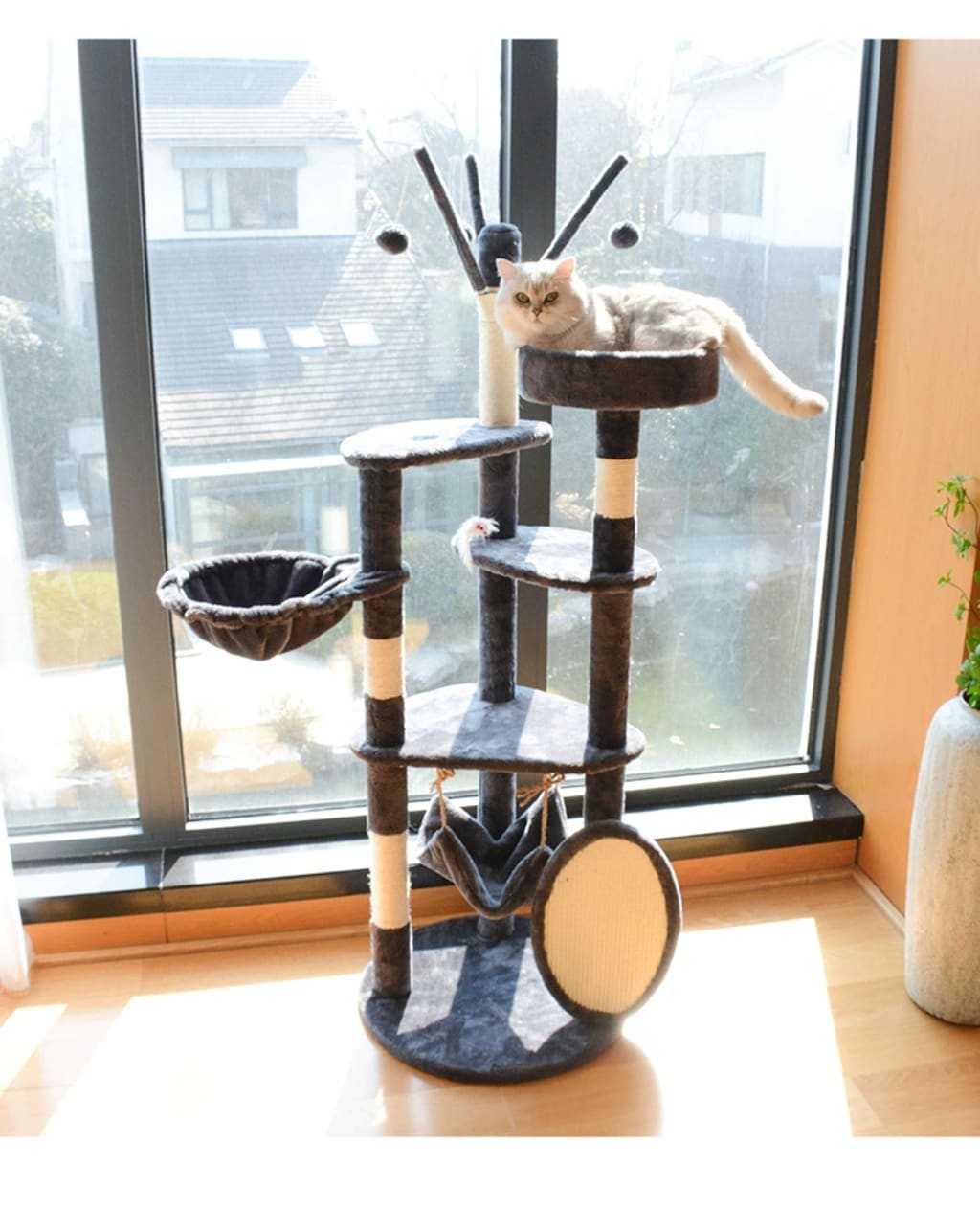
In recent years, sustainability has shifted from a trend to a global consumer expectation—especially in the pet industry. As more cat owners become environmentally conscious, they are seeking products made from natural, recyclable, and non-toxic materials. This shift is reshaping the wholesale cat tree market, pushing manufacturers and retailers to rethink design, materials, and long-term durability.
Eco-friendly cat trees are no longer niche products—they are becoming a mainstream demand worldwide.
1. Why Sustainability Matters in the Cat Tree Industry
Cat owners today are more informed about the impact of traditional materials such as synthetic plush, plastic connectors, and chemical-heavy adhesives. Many are now choosing products that:
Reduce environmental footprint
Use renewable or recyclable materials
Last longer and create less waste
Provide safer, chemical-free surfaces for their cats
This creates a strong business opportunity for retailers stocking wholesale cat tree models made from eco-friendly materials.
2. The Most Popular Eco-Friendly Materials in Modern Cat Trees
Sustainable cat trees rely on materials that are both durable and natural. The top trends include:
● Natural Wood and Plywood
Cat trees made with FSC-certified wood or high-quality plywood offer long life and a premium look, meeting eco-friendly expectations without sacrificing strength.
● Sisal Rope and Sisal Fabric
Sisal remains one of the most sustainable materials in the pet industry. It is:
Natural
Biodegradable
Extremely durable
Loved by cats for scratching
As a result, it’s becoming the standard for environmentally friendly wholesale cat tree models.
● Recycled Fabrics
Manufacturers are increasingly replacing synthetic plush with:
Recycled polyester
Recycled cotton blends
Low-impact natural fibers
These fabrics reduce waste and offer a cleaner, modern appearance.
● Non-Toxic Glues and Finishes
Eco-friendly cat trees avoid harmful chemicals that can affect both cats and owners. Water-based adhesives and natural oils are becoming industry favorites.
3. How Eco-Friendly Materials Improve Product Quality
Switching to sustainable materials isn’t just good for the environment—it also improves the overall product:
● Longer Lifespan
Natural wood and sisal wear more slowly than cheap plush or cardboard.
● Higher Stability
Eco-friendly bases made from solid wood provide better safety and reduce wobbling.
● More Attractive Design
Minimalist natural wood tones fit seamlessly into modern homes, making the product more appealing visually.
● Better Cat Engagement
Cats instinctively prefer:
Real wood textures
Natural fiber scratching surfaces
Stable elevated structures
This makes eco-friendly wholesale cat tree models more satisfying for both cats and customers.
4. The Growing Global Market for Sustainable Cat Trees
Retailers in Europe, North America, and Southeast Asia have seen rising demand for eco-conscious cat furniture. Drivers include:
Increasing environmental awareness
Younger consumers prioritizing sustainability
Social media trends featuring natural-looking homes
Rising distrust of low-quality, synthetic-heavy products
As a result, many retailers are shifting their product line toward environmentally friendly wholesale cat tree designs to remain competitive.
5. Why Eco-Friendly Wholesale Cat Trees Are More Profitable
Retailers benefit from this trend in several ways:
● Higher perceived value
Products made with natural wood or recycled fabric often justify higher price points.
● Less product waste
More durable materials reduce returns and replacements due to breakage.
● Better brand reputation
Eco-friendly product lines build trust and long-term loyalty with conscious consumers.
● Competitive differentiation
Retailers offering sustainable wholesale cat trees stand out in the crowded pet market.
6. What Retailers Should Look for When Choosing Eco-Friendly Wholesale Cat Trees
To capture this growing market, retailers should prioritize models with:
Certified wood sources (e.g., FSC-certified)
Natural sisal rope or fabric
Non-toxic, water-based finishes
Recycled or low-impact fabrics
Modular, repairable components
Long-term durability and replaceable scratching posts
These features significantly increase both product appeal and customer satisfaction.
Conclusion
Eco-friendly materials are transforming the wholesale cat tree industry from the inside out. As sustainability becomes a global priority, retailers who embrace natural materials, recyclable components, and long-lasting construction will be better positioned to attract modern cat owners.
The shift toward sustainable pet products isn’t just a trend—it’s the future. Retailers who act now can build stronger brands, serve environmentally conscious customers, and offer cat trees that benefit both pets and the planet.
About the Creator
yunyun Li
Labubu obsessed.
Designer toy collector.
Kawaii chaos is my aesthetic.
Don’t ask how many figures I have — I stopped counting 😎
#ArtToys #LabubuLife #ToyAddict #CoolAndCute
Off the Leash: The Essential Gear Guide for Adventurous Dogs
There’s something wildly freeing about unclipping the leash and letting your dog move the way they were built to. If you’re hiking in areas that truly allow off-lead exploration, your gear list shifts. No harness. No leash dragging through dust. Instead, it’s about smart, lightweight essentials that keep your dog safe, hydrated, and easy to manage when adventure gets messy. Long walks off lead are less about control and more about preparation.
By Shabbir Ahmad4 days ago in Petlife


Comments
There are no comments for this story
Be the first to respond and start the conversation.