
How Do Dog Toys with Sound Effects Engage Dogs?
PetNest

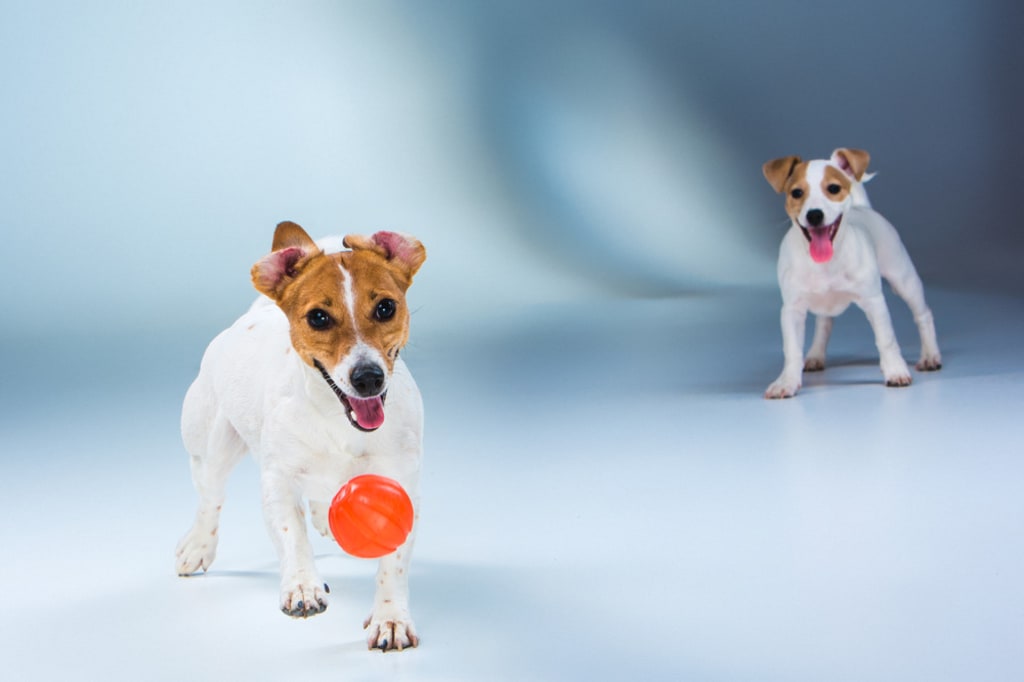
Dog toys that use noise have been extremely popular among pet owners who want to enhance their dogs' play and mentally stimulate them. Such toys usually feature squeaks, bells, or electronic sounds; they create an experience that would be very attractive to a dog. The knowledge of how these work and the advantages they provide for dogs can help the owner decide if the play routine should include such toys.
The Science Behind the Sound Effects in Dog Toys
Dogs are extremely sensitive to sound, as their sensitivity for hearing is significantly more sensitive than that of human ears. Since the canine ear provides extensive detection for a wider range of frequencies and lower volumes, they tend to respond vividly to sounds within their environment. Sound-emitting dog toys exploit this biological sensitivity by leveraging auditory stimuli as a means to provoke a dog's interest and elicit their participation.
Squeaky Toys: Squeaky toys are among the most common sound-producing dog toys. The high-pitched noise they produce mimics the sounds of small prey animals, triggering a dog's instinctual desire to hunt and capture. This can make squeaky toys particularly engaging for dogs with strong predatory drives.
Bells and rattles: Bells or rattles in toys make sounds that can attract a dog's attention. Notably, such sounds become apparently linked to movement, thus encouraging dogs to examine and play with them, hence getting them to engage in physical and mental exercises.
Electronic Sounds: Some advanced dog toys feature electronic sounds, such as animal noises or interactive responses. These sounds can provide a more varied and unpredictable play experience, keeping dogs engaged for longer periods.
Benefits of Dog Toys with Sound Effects
Mental Stimulation: Sound-producing toys provide mental stimulation by engaging a dog's auditory senses. This can help prevent boredom and reduce destructive behaviors that may arise from lack of stimulation. By encouraging dogs to problem-solve and interact with their toys, these toys support cognitive development and overall mental well-being.
In many cases, physical toys with sounds encourage dogs to exercise more. In addition to exercising, the sounds incite a dog's instinctive desire to chase, pounce, and retrieve. These will provide them with fun and exciting exercises. Physically exercising a dog helps in maintaining his health, which also benefits in weight management and cardiovascular function.
Reducing Anxiety and Stress: For dogs that experience anxiety or stress, sound-producing toys can serve as a positive distraction. The engaging nature of these toys can help redirect a dog's focus away from stressors and onto play, promoting a sense of calm and relaxation.
Enhancing Bonding: Playtime with sound-producing toys can strengthen the bond between a dog and its owner. Engaging in interactive play sessions with these toys allows owners to participate in their dogs' fun, fostering a deeper connection and reinforcing positive behaviors.
Training and Reinforcement: Sound-producing toys can be useful tools in training and reinforcement. The sounds can act as a reward or marker, signaling to the dog that they have performed a desired behavior. This can make training sessions more enjoyable and effective, helping dogs to associate positive experiences with learning.
Choosing the Right Sound-Producing Toy
When selecting a sound-producing toy for your dog, consider the following factors:
Durability: Ensure the toy is made from durable materials that can withstand vigorous play. Toys that are easily destroyed can pose a choking hazard or lead to ingestion of small parts.
Size: Choose a toy that is appropriately sized for your dog. Toys that are too small can be swallowed, while toys that are too large may be difficult for your dog to interact with comfortably.
Sound Type: Consider your dog's preferences and sensitivities. Some dogs may be more responsive to squeaks, while others may prefer the sound of bells or electronic noises.
Safety: Always supervise your dog during playtime with sound-producing toys. Monitor the toy's condition and replace it if it becomes damaged or worn.
Incorporating Sound-Producing Toys into Playtime
To maximize the benefits of sound-producing toys, incorporate them into your dog's play routine in various ways:
Interactive Play: Engage in interactive play sessions with your dog, using the toy to encourage chasing, fetching, and tugging games. This not only provides physical exercise but also strengthens your bond.
Hide and Seek: Hide the toy and encourage your dog to find it using their auditory senses. This can enhance their problem-solving skills and provide mental stimulation.
Training Sessions: Use the toy as a reward during training sessions. The sound can act as a positive reinforcer, helping your dog associate the toy with successful learning experiences.
Solo Play: Allow your dog to play with the toy independently, providing them with a source of entertainment and stimulation when you are not available to interact.
Conclusion
Dog toys with sound effects offer a multitude of benefits for engaging dogs both mentally and physically. By tapping into a dog's natural auditory sensitivity, these toys can provide hours of entertainment, reduce stress and anxiety, and support cognitive development. When choosing a sound-producing toy, consider your dog's preferences, the toy's durability, and safety features. Incorporating these toys into your dog's play routine can enrich their lives, promote physical health, and strengthen the bond between you and your furry companion. Always supervise playtime and ensure the toy remains in good condition to provide a safe and enjoyable experience for your dog.
About the Creator
PetNest
PetNest offers a variety of dogs products for a happy, healthy life. Find beds, toys, bowls, & more, all made with quality & care.
A Dart at Dusk
Seconds ago, the sullen sun set on the two of us… my exuberant furry companion and me. A fresh breeze embraces us, delivering welcome relief from the day’s oppressive heat. His typical stumbling and staggering along — apace with a sloth — has turned into trip-trapping, high-stepping, almost skipping along.
By Angie the Archivist 📚🪶4 days ago in Petlife
Dog vs Cat
For centuries, dogs and cats have shared human homes, hearts, and history. Yet the debate over which animal makes the better pet—dog or cat—remains as lively as ever. This discussion is not about declaring a universal winner, but about understanding two very different species that offer companionship in unique ways. Dogs and cats differ in behavior, emotional expression, care requirements, and their relationship with humans. Choosing between them often reflects a person’s lifestyle, personality, and emotional needs rather than superiority of one animal over the other.
By shaoor afridiabout 2 hours ago in Petlife
Rachel Reviews: The Spiral Archive by Pieter Hendrik
It's difficult for me to know where to start with a review of this book as it was, for me, an entirely unique experience and one that I'll probably never have again. I don't want that to be interpreted as unenjoyable but it has left me scratching my head a little and ruminating on its content, its themes and its characters.
By Rachel Deemingabout 8 hours ago in BookClub



Comments
There are no comments for this story
Be the first to respond and start the conversation.