
How Did Dogs Become Man’s Best Friend?
BASIC PET CARE


Dogs are not only man’s best friend; they are also his oldest one. Although historians agree that dogs were the first domesticated animal, there is debate on how long ago and where the friendship began.
Based on DNA evidence, most researchers believe that the furry, warm-nosed companion beside you descended from a group of gray wolves that has since became extinct. Those canny canines figured out that if they hung with early hunter-gatherers rather than going it alone, they could live off what they could scavenge from the humans.
Scientists speculate that friendship bloomed when those humans began taking in wolf pups, which led to socializing them from infancy. And since wolves instinctively operate in packs with a clear hierarchy, humans easily assumed the role of alpha wolf, establishing themselves as Those Who Must Be Obeyed.
And there was a pay-off when man and tame wolf became a dynamic hunting duo. Humans’ skills and savvy combined with wolves’ speed and sense of smell turned them into complementary partners who tracked, captured and devoured prey to their mutual benefit.
Humans offered wolves a reliable food source; tame wolves provided physical warmth and acted as early warning sentries when strangers or predators approached.
The animals that accepted this relationship evolved into more and more obedient companions until, many generations later, we had domesticated dogs and their feral gray wolf forbears died out.
HOW DOGS ARE LIKE WOLVES
Our pets still share many traits and instincts with their wild ancestors. Both:
- Rely on their senses to understand the world
- Guard their master’s home
- Defend their territory
- Scavenge when left to their own devices
- Bury bones if given the opportunity
HOW DOGS ARE UNLIKE WOLVES’1
Despite a close genetic makeup, gray wolves and domestic dogs are dissimilar. Dogs:
- Have foreheads that are more domed than wolves’
- Have smaller skulls, brains, teeth and paws compared to equally sized wolves
- Have tails that tend to curl upwards, unlike wolves’
- Relish having a job to do, from herding livestock to helping the blind
Why Are Dogs Called ‘Man’s Best Friend’?
Through the ages, people have claimed dogs as one of their closest, and best, companions. Of all the domesticated animals, dogs serve the widest array of roles: protector, helper, lifesaver, and companion. Dogs are incredible friends to people, and they’ve been companions through centuries. The relationship between dogs and people is deep and old.
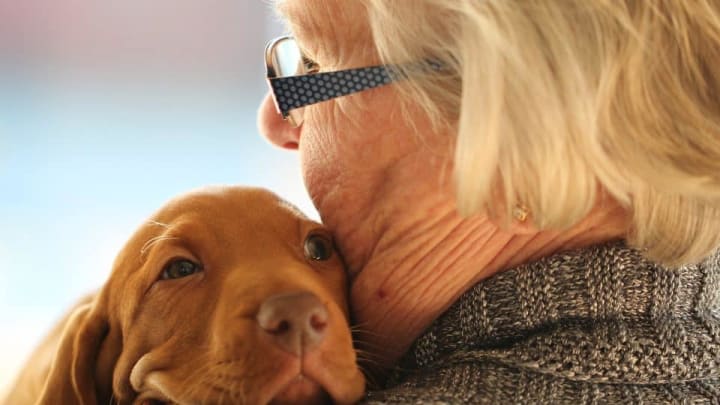
A mutually beneficial relationship
Dogs and people began living together 15,000 years ago when dogs followed people’s migration throughout East Asia. The connection was natural because both people and dogs are social beings. Neither can thrive when alone, and both benefit mentally (and often physically) from strong social bonds.
Though domestic dogs share 99% of their DNA with wolves, dogs exude warmth to other dogs and humans that contrasts greatly with a wolf’s skeptical and defensive reaction to others. Dogs are social pack animals who thrive off of attention and affection, making them a prime candidate for a person’s best friend.
Since dogs have been domesticated to a point where they need us to survive, and we tend to find that we need them almost as much, people and dogs developed a symbiotic relationship. Most dog owners will tell you that their dog is a family member. And having a faithful dog at home gives us a listening ear, a warm paw to hold, and even strong legs to run beside.
Where did the phrase “man’s best friend” come from?
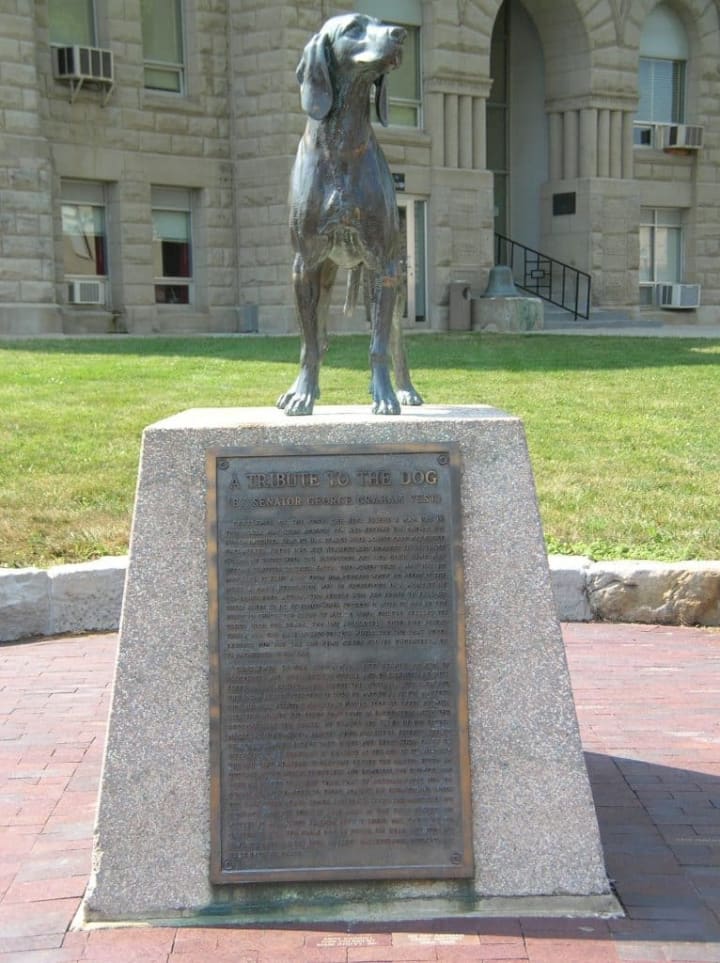
In fact, the phrase “man’s best friend” originated in the American Supreme Court in 1870 when a talented lawyer named George Graham Vest defended a man who deeply loved his coon hound named Old Drum. Vest argued that when a neighbor killed Old Drum for trespassing, the neighbor took the life of more than just a pet—he killed an important family member.
Vest famously stated, “The one absolute, unselfish friend that man can have in this selfish world—the one that never proves ungrateful or treacherous—is his dog.”
Much more than a pet
Dogs have proven themselves time and again to be loyal, kind, understanding, and have an indomitable spirit. They greet us happily after what may have been the worst day of our lives and make us feel better with a wag of their tail and a playful grin.
Whether they’re herding sheep, hunting game, supporting people with disabilities, or simply acting as a companion unlike any other, dogs help humans with day-to-day tasks, many of which may not be possible without them. Dating back to the 16th century, dogs have served as service helpers for the blind, and by the 1970s dog trainers developed techniques for dogs to assist people with disabilities.
As if those duties aren’t enough, dogs also help prevent possible crimes and save lives, as in the cases of drug-sniffing and bomb-sniffing canines. German shepherds, a 200-year-old breed, are most commonly seen serving as canine police all around the world.
Want to live a healthier life? Maybe you should get a dog.
As companions, the health benefits of living with a dog have been well-documented in many scientific studies. As reported in a recent Time Magazine article, the health benefits of living with a dog include:
- links to a longer life span
- lower risk of cardiovascular disease
- reduce the adverse health effect of living alone
- can decrease allergies and asthma in children
- increase opportunities for health-beneficial socialization
The study’s author emphasized that these health benefits are only applicable if the dog is well-exercised and cared for. Even if dogs didn’t provide direct health benefits, the unconditional love and companionship they offer is invaluable. They’re at our sides when we’re sick, sad, and lonely. They love us even when we are grumpy, rude, or downright bummers. Dogs are the ones who seem to understand us on a level even we cannot fathom.
The truth is: we call dogs our best friends because, in most of the ways that matter, they are. As dogs and humans have developed a deep relationship over thousands of years, dogs have become part of our families. We take pride in our dogs, and sometimes show them off to others as we would our children. We play with them, hold them close, and rely on them for services they have evolved to provide and enjoy doing.
Often, dogs truly deserve their status as a person’s best friend.
About the Creator
Keep reading
More stories from Grecu Daniel Cristian and writers in Petlife and other communities.
How dog nutrition affects quality of life
What is good dog nutrition? Good nutrition is feeding your dog the building blocks and energy components that allow them to grow, develop to their potential and stay active throughout their life.There are many ways to feed your dog and hundreds of diets to choose from. Most people tend to use dry and canned dog food for convenience and cost. However, for owners who are open minded about their dog’s diet, there are alternatives to dry and canned dog food that may offer better nutrition for your particular dog.
By Grecu Daniel Cristian4 years ago in Petlife
Off the Leash: The Essential Gear Guide for Adventurous Dogs
There’s something wildly freeing about unclipping the leash and letting your dog move the way they were built to. If you’re hiking in areas that truly allow off-lead exploration, your gear list shifts. No harness. No leash dragging through dust. Instead, it’s about smart, lightweight essentials that keep your dog safe, hydrated, and easy to manage when adventure gets messy. Long walks off lead are less about control and more about preparation.
By Shabbir Ahmad5 days ago in Petlife



Comments
There are no comments for this story
Be the first to respond and start the conversation.