
Helping Kuttush Overcome Pet Anxiety: A Journey to Calm and Comfort
Creating a Calm Environment

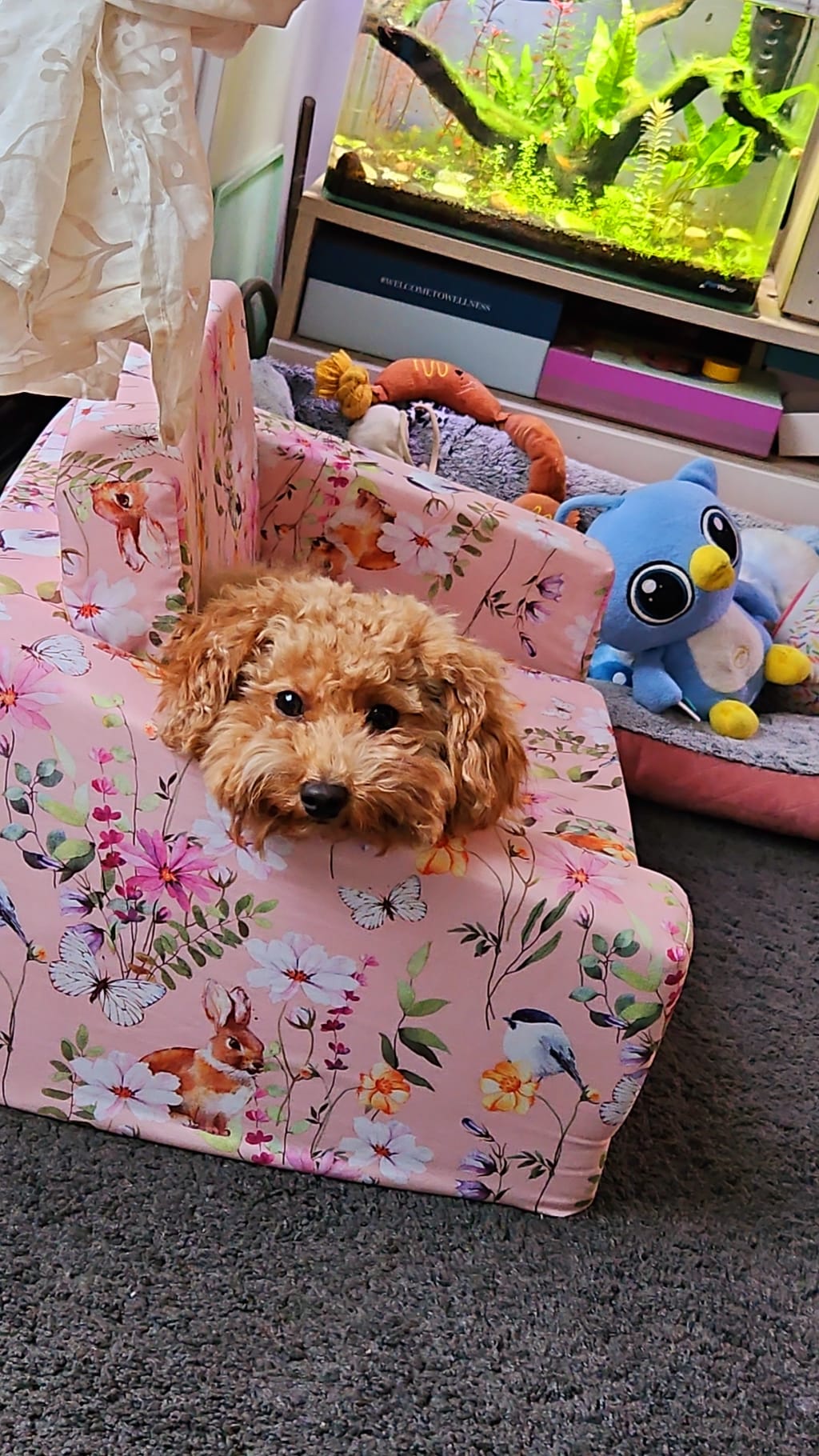
Pet anxiety is more common than many realise. As a devoted pet parent to Kuttush, my gentle toy poodle, I’ve witnessed firsthand how anxiety can impact even the sweetest dogs. From thunderstorms to separation moments, Kuttush’s journey with pet anxiety taught me valuable lessons on compassion, care, and effective calming strategies.
If you’re searching for ways to help an anxious dog, or want to understand pet anxiety better, Kuttush’s story might offer you some hope — and practical tips.
What Is Pet Anxiety and How Does It Affect Dogs Like Kuttush?
Pet anxiety refers to a condition where dogs feel excessive stress or fear triggered by environmental factors such as loud noises, changes in routine, or separation from their owners. In Kuttush’s case, loud thunderstorms and fireworks caused her to tremble, hide, and become unusually clingy. These are classic signs of dog anxiety.
According to veterinary behaviour expert Dr. Karen Overall (2013), up to 20% of dogs suffer from anxiety-related issues. If untreated, pet anxiety can lead to destructive behaviours, health problems, and a lowered quality of life.
Signs of Anxiety in Dogs: What I Noticed in Kuttush
Kuttush’s symptoms included:
Trembling and shaking during storms or loud noises
Pacing and restlessness
Hiding or seeking refuge under furniture
Excessive licking and scratching
Clinginess and reluctance to be left alone
Loss of appetite during stressful events
Recognizing these signs early helped me take steps to support her emotional wellbeing.
Creating a Calm Environment: Kuttush’s Safe Space
One of the first steps I took was creating a calming, secure space for Kuttush. I set up a cozy corner with her favourite blankets, toys, and a comfortable bed. This “safe zone” gave her a place to retreat whenever she felt scared or overwhelmed.
Research supports the importance of safe spaces in reducing pet anxiety (Blackwell et al., 2016). This simple strategy helps dogs feel more in control and less stressed.
The Role of Routine and Predictability in Reducing Anxiety
Dogs thrive on consistency. Kuttush’s anxiety lessened when I maintained regular feeding, walking, and playtimes. Predictable routines reduce uncertainty, which is a key factor in anxiety.
A 2011 study by Rooney and Cowan confirms that stable daily routines lower cortisol levels — the hormone linked to stress — and improve dog behaviour.
Calming Toys and Enrichment for Anxious Dogs
I also introduced calming toys and puzzle feeders to engage Kuttush’s mind and distract her from stress triggers. These toys provide mental stimulation and can reduce anxious behaviours by focusing attention on positive activities.
According to Panksepp and Lahvis (2011), sensory enrichment through toys is effective for easing anxiety and improving overall wellbeing in pets.
Soothing Sounds: Music Therapy for Dog Anxiety
Playing soft classical music became a soothing ritual during thunderstorms or noisy events. Kuttush responded positively, showing less restlessness and more relaxation.
A study published in the Journal of Veterinary Behavior found that classical music helps reduce anxiety and improve kennel dogs’ mood (Kogan, Schoenfeld-Tacher & Simon, 2012).
The Power of Presence and Gentle Touch
Simply being with Kuttush, offering gentle petting and calm reassurance, helped her feel safe. Human interaction has been shown to reduce cortisol levels in anxious dogs, strengthening the bond and easing stress (Hennessy et al., 1998).
However, every dog is unique. Some need closeness during anxious moments, while others prefer quiet space.
When to Consult a Veterinarian or Behaviourist
Despite home strategies, Kuttush’s anxiety was sometimes severe enough to require professional support. Consulting a vet and a certified animal behaviourist gave us a tailored plan combining behaviour modification and, when needed, medication.
The ASPCA recommends professional guidance when anxiety significantly affects a pet’s quality of life.
Final Thoughts: Supporting Anxious Pets Like Kuttush
Living with Kuttush has shown me that pet anxiety is a real, emotional experience that needs understanding and care. With patience, routine, calming toys, and expert help, anxious pets can find comfort and joy again.
If your dog struggles with anxiety, know that small changes can make a big difference. Creating a safe environment, maintaining consistent routines, using calming toys, and seeking professional advice when needed will help your furry friend feel more secure and happy.
Remember, your compassionate presence is the greatest gift to an anxious pet. Kuttush’s journey proves that with love and support, calm is possible.
References
Blackwell, E. J., Twells, C., Seawright, A., & Casey, R. A. (2016). The relationship between training methods and the occurrence of behavior problems in dogs. Journal of Veterinary Behavior, 11, 58-65.
Hennessy, M. B., et al. (1998). Influence of human interaction on plasma cortisol and behavior in dogs. Applied Animal Behaviour Science, 61(1), 63-77.
Kogan, L. R., Schoenfeld-Tacher, R., & Simon, A. A. (2012). Behavioral effects of auditory stimulation on kenneled dogs. Journal of Veterinary Behavior, 7(5), 268-275.
Overall, K. (2013). Manual of Clinical Behavioral Medicine for Dogs and Cats. Elsevier.
Panksepp, J., & Lahvis, G. P. (2011). Rodent empathy and affective neuroscience. Neuroscience & Biobehavioral Reviews, 35(9), 1864-1875.
Rooney, N. J., & Cowan, S. (2011). Training methods and owner-dog interactions. Applied Animal Behaviour Science, 132(3-4), 169-177.
ASPCA. (2024). Understanding and managing pet anxiety. Retrieved from https://www.aspca.org
About the Creator
Susmit Bhowmik
As a PhD researcher with a clinical studies background, I’m passionate about evidence-based sensory tools that enhance learning, focus, and calm. I share science-led insights to help families and educators create sensory-friendly spaces.
Keep reading
More stories from Susmit Bhowmik and writers in Petlife and other communities.
Creating a Calm, Stress-Free Home for Anxious Dogs and Cats: Expert Tips & Trusted Products
Our pets are more than just animals; they’re beloved family members who depend on us to keep them safe, happy, and healthy. Yet, many dogs and cats experience anxiety, which can affect their behaviour, physical health, and overall well-being. From thunderstorm phobia to separation anxiety, these challenges can cause distress for both pets and owners.
By Susmit Bhowmik7 months ago in Petlife
A Dart at Dusk
Seconds ago, the sullen sun set on the two of us… my exuberant furry companion and me. A fresh breeze embraces us, delivering welcome relief from the day’s oppressive heat. His typical stumbling and staggering along — apace with a sloth — has turned into trip-trapping, high-stepping, almost skipping along.
By Angie the Archivist 📚🪶6 days ago in Petlife
How to Succeed at the Benson Directory®
Congratulations and welcome to the Benson Directory® employee #22391! As our newest call handler, you will have the privilege of speaking with dozens of unique and interesting people on a daily basis as well as the opportunity to earn bonuses for high performance. Contained within this handbook you will find a set of ease to follow instructions designed to help you settle in to your new role and begin paving the way to success.
By S. A. Crawford3 days ago in Fiction



Comments
There are no comments for this story
Be the first to respond and start the conversation.