

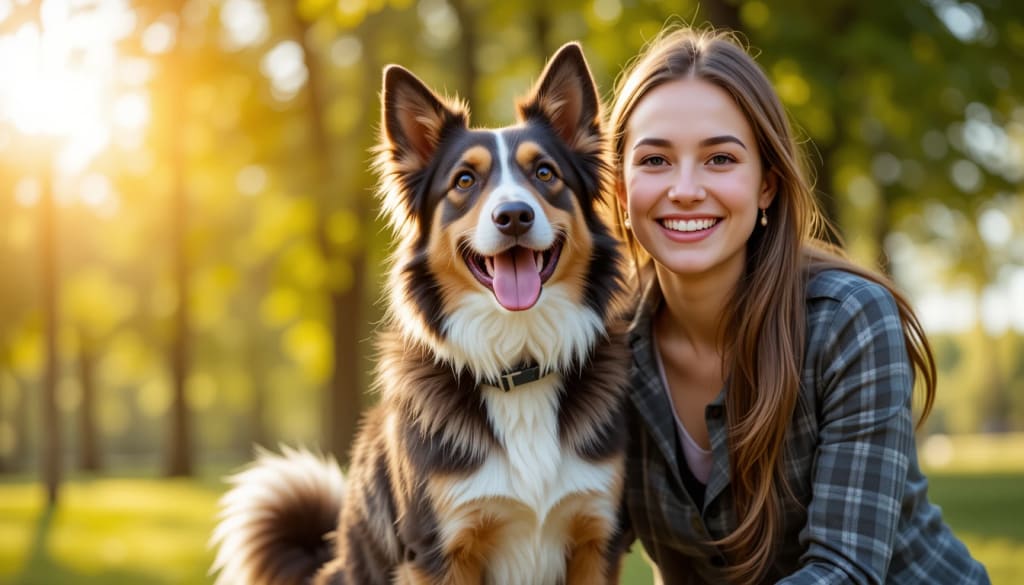
Dogs have been living with humans for thousands of years. They are not only pets but also close friends and helpers. Many people say that dogs are the most loyal animals to humans. But why are dogs so loyal? Why do they stay by our side no matter what? This article will explain the reasons why dogs are known as man’s best and most loyal companions.
1. A Long History Together
Dogs were one of the first animals to live with humans. Long ago, wild wolves started to come near human camps. Some wolves were friendly and helped humans by protecting them or finding food. Humans, in return, gave them food and a safe place to live. Over many years, these wolves changed into dogs. This long relationship created a strong bond between dogs and humans. Dogs learned to trust people, and people learned to love dogs.
2. Dogs Understand Human Emotions
One reason dogs are so loyal is that they can understand how humans feel. Dogs watch our faces and body language very carefully. They know when we are happy, sad, angry, or scared. When a person is sad or lonely, a dog will often come close to comfort them. Dogs can feel our emotions almost like a human friend would. This deep connection makes dogs very special companions.
3. Dogs Are Social Animals
Dogs are naturally social animals. In the wild, dogs and wolves live in groups called packs. In these packs, every member has a role, and they work together to survive. When dogs live with humans, they see their family as their pack. They want to protect and be close to their family members. This pack behavior makes dogs loyal and loving. They want to stay near their human family and keep them safe.
4. Training and Care Build Loyalty
Humans also play an important role in a dog’s loyalty. When people take good care of dogs, feed them, play with them, and train them with love, dogs become very attached. Training helps dogs learn what their human family wants from them, and this makes them happy and confident. When dogs feel safe and loved, they will be loyal and protective in return.
5. Dogs Protect Their Families
Dogs are protective animals. They naturally want to keep their family safe. Many dogs bark to warn their owners about strangers or danger. Some dogs even risk their lives to protect their family. This protective behavior shows how loyal dogs are. They see their human family as very important and want to defend them at all costs.
6. Dogs Are Good Listeners and Friends
People often talk to their dogs. Even though dogs cannot speak our language, they listen carefully and respond with their eyes and body. Dogs are always ready to listen without judging. They do not care about a person’s mistakes or problems. This makes dogs great friends. People feel comforted and loved when they are with dogs.
7. Health Benefits of Having a Dog
Having a loyal dog can also improve a person’s health. Dogs encourage people to go outside, walk, and exercise. This is good for the heart and body. Dogs also reduce stress and anxiety. Petting a dog can make a person feel calm and happy. These health benefits strengthen the bond between dogs and humans.
8. Different Breeds, Same Loyalty
There are many dog breeds, and each breed has its own special traits. Some dogs are small and playful, others are large and strong. But no matter the breed, dogs are usually loyal to their owners. From tiny Chihuahuas to big German Shepherds, loyalty is a common trait. This shows that loyalty is part of a dog’s nature, not just their size or appearance.
Conclusion
Dogs have earned their title as man’s best friend because of their deep loyalty. This loyalty comes from thousands of years of living and working with humans. Dogs understand our feelings, want to protect us, and enjoy being part of our families. When we care for dogs with love and respect, they return that love with loyalty and friendship. Because of these reasons, dogs remain one of the most loyal and beloved animals to humans around the world.
About the Creator
Bilal Mohammadi
welcome to Bilal Mohammadi articles please follow my page
Keep reading
More stories from Bilal Mohammadi and writers in Petlife and other communities.
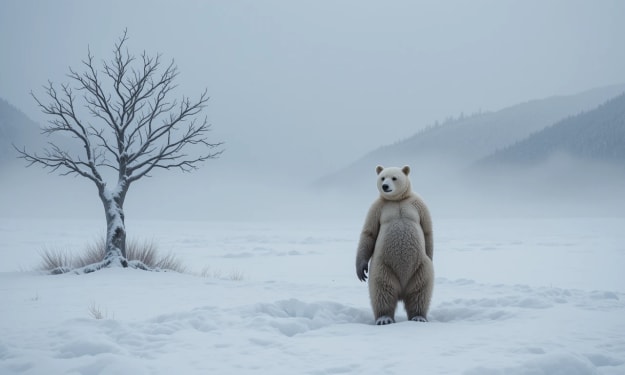
A Bear Standing in the Frozen Land
Please Don't Forget Like and Subscribe Far away, in a cold and frozen land, there is a place covered with thick snow. The ground is white, the trees are bare, and the air feels sharp and icy. In the middle of this quiet place stands a bear. The bear looks strong and calm, with thick fur to keep it warm in the cold weather. This scene of a bear standing in the snowy world is both beautiful and powerful. It tells us a story about survival and life in harsh places.
By Bilal Mohammadi8 months ago in Petlife
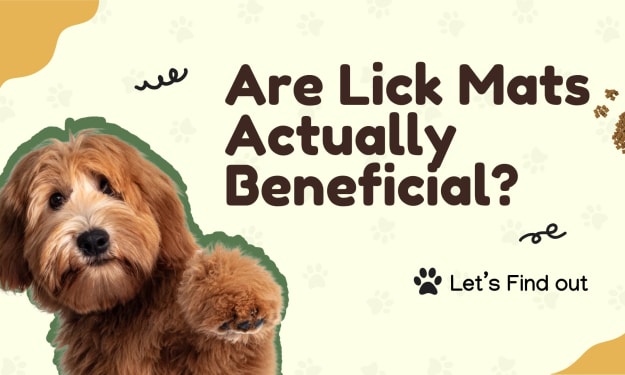
Are Lick Mats Actually Good For Dogs, Cats, and Small Pets?
If you have been to pet shops or online pet groups lately, you have likely seen the pet lick mat. These bright, bumpy rubber mats are a huge hit, and for good reason. Pet owners find that their dogs, cats, and small pets love them.
By Alice Adams4 days ago in Petlife
MY CREW
He was pure effervescence, a tiny dynamo of happiness, his whole body a vibrating testament to the simple, unadulterated bliss of being alive. I could see him, a perfect counterpoint to your quiet strength, a splash of vibrant color in the tapestry of our lives. The decision was instantaneous, a deep, knowing certainty that settled in my soul. Brutus wasn't just another dog; he was the missing piece, the cheerful spark that would banish the lingering shadows of loneliness from both your world and mine. Our family, already expanded by your arrival, felt ready to embrace this new, boisterous addition.
By Vera Myles7 days ago in Petlife
A Historic Declaration
We the People of the Husbands of the United States of America, in Order to form a more perfect Union, and I mean you...with me...establish Justice, insure domestic Tranquility, provide for the common defence, promote the general Welfare, and secure the Blessings of Liberty to ourselves, after Puberty, do ordain and establish this Declaration of Co-Dependence.
By Gerard DiLeo5 days ago in Humans


Comments
There are no comments for this story
Be the first to respond and start the conversation.