


Dogs: Human's Best Friend
Dogs have been a part of human society for thousands of years, serving as faithful companions, protectors, and working animals. They have been bred for specific purposes, such as hunting, herding, or guarding, and have since become popular as household pets. Today, dogs are widely regarded as man's best friend and are loved and adored by millions of people around the world.
The History of Dogs
Dogs are believed to be the first domesticated animal, with evidence of dog domestication dating back to 15,000 years ago. It is thought that early humans tamed wolves and then bred them for specific purposes, such as hunting, guarding, or herding. Over time, dogs evolved into the various breeds that we know today, each with its own unique traits and abilities.
In the early days, dogs were used primarily for hunting and protection. They were trained to track prey, flush out game, or guard their owners and their property. As humans began to settle in one place and engage in agriculture, dogs were also used to herd livestock and guard their owners' property.
Over the centuries, dogs have continued to evolve and adapt to their roles as companions and working animals. Today, there are over 340 different breeds of dogs, each with its own unique characteristics, temperaments, and abilities.
The Benefits of Owning a Dog
Owning a dog can bring many benefits to a person's life. For one, dogs provide unconditional love and affection, which can help to reduce stress and promote feelings of happiness and well-being. They are also known to have a positive impact on mental health, providing comfort and support during difficult times.
In addition to their emotional benefits, dogs can also provide physical benefits. Regular walks and play sessions can help to increase physical activity levels and improve overall health. They can also be trained to perform specific tasks, such as assisting with mobility, providing hearing or sight assistance, or alerting their owners to medical emergencies.
Finally, dogs can also bring a sense of community and belonging to their owners. They are social animals and love to interact with other dogs and people, making them a great way to meet new people and form new relationships.
Choosing the Right Dog
When choosing a dog, it is important to consider several factors to ensure that you find a companion that is right for you and your lifestyle. Some important factors to consider include:
Size: Dogs come in a range of sizes, from small toy breeds to large working breeds. It is important to choose a dog that is a good match for your living space and physical capabilities.
Energy level: Different breeds have different energy levels, with some breeds being more active and energetic than others. Consider your own lifestyle and energy levels when choosing a dog to ensure that you can provide the level of exercise and play that your dog needs.
Temperament: Dogs can have a wide range of temperaments, from outgoing and friendly to shy and reserved. Consider your own personality and what kind of dog would be a good match for you.
Purpose: Consider why you want a dog. Are you looking for a companion to share your life with, a guard dog for protection, or a working dog to help with specific tasks? Different breeds are suited to different purposes, so choose a dog that fits with your goals and needs.
Caring for Your Dog
Caring for a dog is a big responsibility, but it is also a rewarding experience. To ensure that your dog is healthy and happy, it is important to provide proper care, which includes:
Feeding:dogs
Dogs require a balanced and nutritious diet to maintain their health and vitality. The type of food and amount you should feed your dog will depend on several factors, including its size, age, and activity level. It is recommended to feed your dog a high-quality dog food, either wet or dry, and to avoid feeding it table scraps. You should also make sure to provide fresh water at all times.
Exercise: Dogs need regular exercise to stay physically and mentally healthy. This can include daily walks, play sessions, or other forms of physical activity. The amount of exercise your dog needs will depend on its breed and size, so it is important to research your dog's specific needs and to consult with a veterinarian if you are unsure.
Grooming: Regular grooming is important to maintain your dog's coat and skin health, and to prevent mats and tangles from forming. Depending on your dog's breed, this can include regular brushing, bathing, and trimming.
Health care: Regular check-ups with a veterinarian, vaccinations, and parasite control are important for maintaining your dog's health. Your veterinarian can also provide advice on any other specific health needs your dog may have.
Training and socialization: Training and socialization are important for developing a well-behaved and confident dog. This can include basic obedience training, socialization with other dogs and people, and exposure to new and different environments.
Conclusion
Dogs are a wonderful addition to any household, providing love, companionship, and a sense of community. They have been man's best friend for thousands of years, and continue to be a beloved and important part of human society today. By choosing the right dog for your lifestyle and providing proper care, you can ensure that your dog is healthy and happy for many years to come.
About the Creator
Keep reading
More stories from ASHOK BALASUBRAMANIYAN and writers in Petlife and other communities.
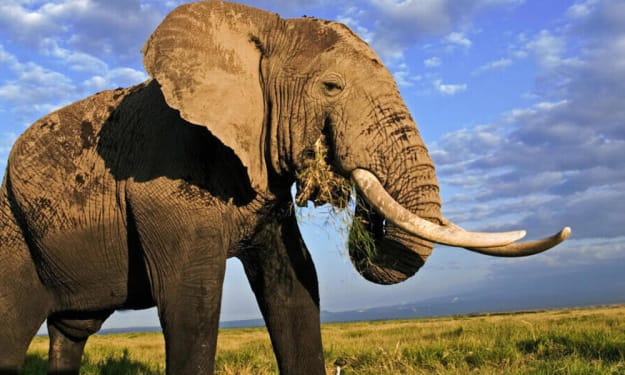
ELEPHANTS
Elephants: The Gentle Giants of the Animal Kingdom Elephants are majestic creatures that have fascinated humans for thousands of years. With their distinctive appearance, intelligence, and gentle nature, elephants are widely regarded as one of the most remarkable species in the animal kingdom. From their massive size to their complex social structures, there is much to learn about these magnificent creatures. In this blog, we'll dive deep into the world of elephants, exploring their biology, behavior, and conservation status.
By ASHOK BALASUBRAMANIYAN3 years ago in Education
The Summer I Was Chosen by a Northern Mockingbird
During the long, suspended days of the pandemic, a wild mockingbird began visiting my driveway and chose me, again and again. What started as a strange encounter became a brief, meaningful connection that I still carry with me.
By Erica Roberts 6 days ago in Petlife
Valplekar: Guide to Essential Nutrition for Healthy Puppy Growth
Raising a healthy puppy requires more than love and attention; it involves providing them with the right nutrition for growth. Puppies undergo rapid physical and mental development during the first year of life, making proper nutrition essential for their long-term health and wellbeing.
By Backlinks Cart2 days ago in Petlife


Comments
There are no comments for this story
Be the first to respond and start the conversation.