
Dog Tail Wagging: Not Always Happy
Understanding Dog Body Language for Better Pet Communication


We often look at a wagging tail and assume a dog is happy. It’s the image we’ve all grown up with — a tail swishing from side to side means excitement, friendliness, and love. But the truth is, a wagging tail can also mean fear, stress, uncertainty, or even aggression.
Dogs communicate a lot with their tails, and reading their body language is essential if we truly want to understand them. A wag is not just a wag. It’s a signal. And it’s time more pet owners start recognizing the signs behind each wag to ensure safe and loving interactions with their pups.
Let’s start with the basics. A relaxed, happy dog usually wags its tail in a loose and wide motion. The body will also be relaxed, the mouth may be open, and the dog might even appear to smile. This is the classic "happy dog" wag we all know and love. It’s the wag you see when you come home, and your pup is overjoyed to see you.
But now let’s look at a high and stiff wag. This might mean the dog is on high alert, curious, or even dominant. If the dog’s body is tense and the eyes are focused, it’s best to be cautious. This type of wag is often misunderstood. People see the tail moving and think it’s friendly — but this wag is a warning.
A low tail wag, especially if the tail is tucked between the legs, is often a sign of fear or submission. The dog might be anxious or scared, especially if it's in a new environment or around unfamiliar people. This dog needs comfort, not excitement. Pushing a scared dog too quickly can lead to snapping or defensive behavior.
There’s also the fast wag with a stiff body — and this one is important. It may happen when a dog is feeling nervous but ready to act. This kind of wag could lead to aggression if the dog feels threatened. It’s the kind of movement you might see right before a bark or lunge. Knowing this can help you prevent accidents and bites.
It’s also important to understand that breed and tail shape matter. Dogs with curled tails, like Pomeranians or Shiba Inus, have different wagging styles than dogs with long straight tails, like Labs or Golden Retrievers. Some dogs, like Bulldogs or Corgis, may barely have tails at all, so their other body language becomes even more crucial — like ear position, body posture, and facial expressions.
Dogs also wag their tails to the left or right — and yes, even the direction has meaning! Research shows that wagging more to the right often means a positive emotion, like seeing a loved one. Wagging more to the left can signal negative feelings or stress. These small details can help you connect better with your pet.
If you’re a dog owner or even just someone who loves being around dogs, learning this kind of language can deepen your bond. Your dog will feel safer, understood, and more secure. And you’ll avoid misreading signs that could lead to unwanted situations.
Children, especially, need to be taught this. Many dog bites happen because kids think a wagging tail means the dog is happy. But if the child approaches too quickly or roughly, a stressed or fearful dog might react in self-defense. This can be traumatic for both the child and the pet.
So the next time you see a dog wagging its tail, take a moment. Look at the whole picture. Is the body loose or stiff? Is the dog leaning toward you or away? What do the ears and eyes say? Being aware of these signs can keep everyone safer — and bring you closer to your pup in ways words never could.
Our dogs are talking to us every day. Let’s make sure we’re listening.
About the Creator
majid ali
I am very hard working give me support
Understanding the Causes, Symptoms, and Treatment Options for Colitis in Dogs
Colitis in dogs is a common gastrointestinal condition that affects the large intestine (colon). When the colon becomes inflamed, it can lead to uncomfortable and sometimes alarming symptoms for your pet.
By Dominion Valley Animal Hospital5 days ago in Petlife
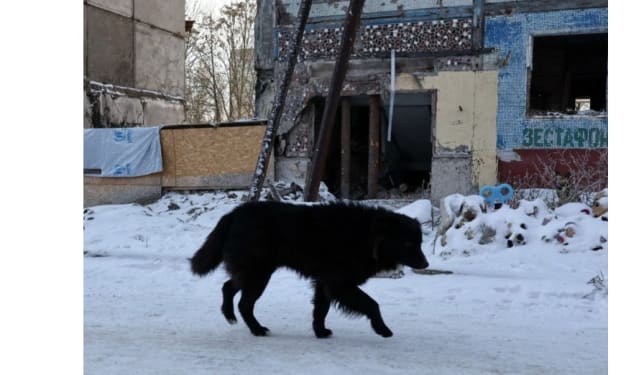
Dogs are reverse domesticated due to the conflict in Ukraine.
After months of continuous fighting, the surviving canines near Ukraine's front lines have clearly changed to resemble wolves in both appearance and behaviour. Their changed bodies demonstrate how characteristics formed by centuries of human friendship can be quickly erased by battle.
By Francis Dami7 days ago in Petlife


Comments
There are no comments for this story
Be the first to respond and start the conversation.