
Dog died of vomiting blood for 3 consecutive days
The diagnosis was found to be a stomach ulcer, and the killer was plastic

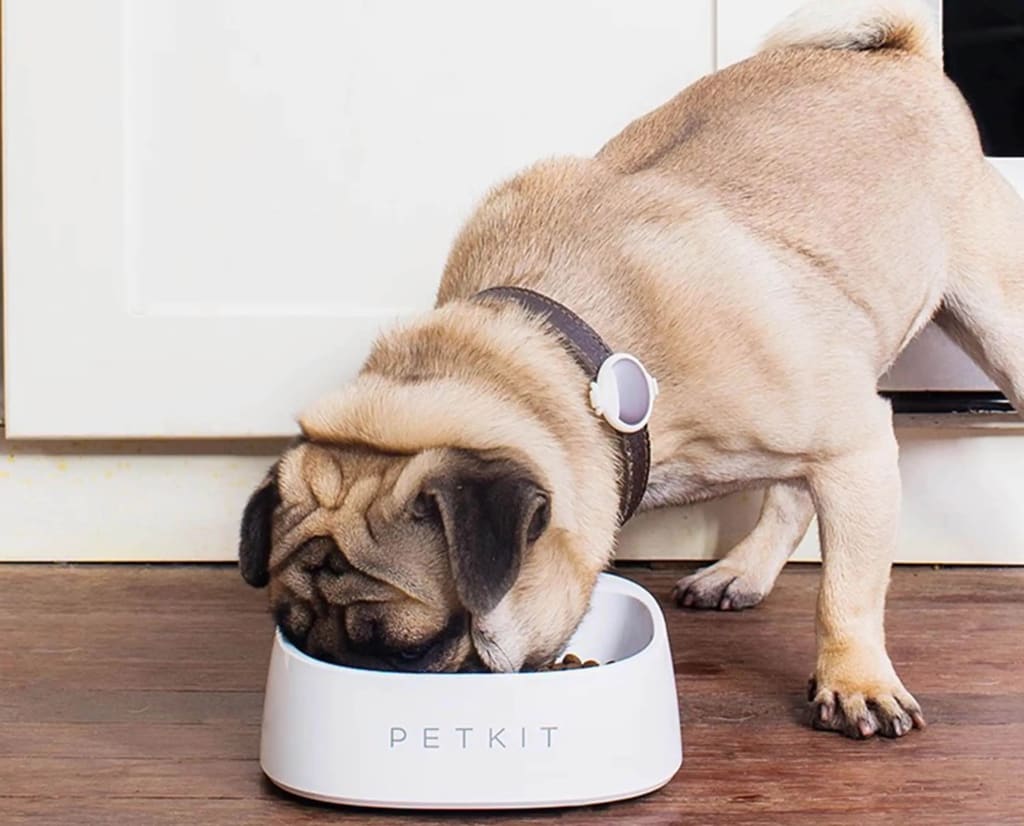
The danger of plastic to dogs is ignored by too many people. Some of the plastic enters the dog's body and cannot be eliminated, wearing down the dog's gut over the years. It causes irreversible damage to the internal organs. People always think that large pieces of plastic may be harmful to dogs, but plastic particles are more harmful to dogs, which is a serious problem that many people ignore.
Dog vomits blood for three days in a row, clinic finds it is incurable, stomach ulcerated
A dog named Fat Tiger was brought to the hospital after having vomited blood for three consecutive days, the dog was dying and could not even stand up, only collapsing to the ground and breathing weakly. After the consultation, it was found that it was not a common cause of blood vomiting in dogs, such as gastroenteritis.
After testing, it was found that the dog's intestines were ulcerated and perforated with massive bleeding. Because of late medical attention, the best treatment time was missed and the dog eventually died. At the request of the owner, further research was conducted and it was found that the dog had a surprising number of hard particles in its intestines, which were tested and found to be plastic.
The crisis of plastic is not only for people, but plastic is also a major risk factor for dogs now
After research, several veterinary friends exchanged views.
Large pieces of plastic swallowed by the dog, the owner will have the sense of vomiting, and gastric lavage, but relatively safe. However, plastic particles enter the dog's body for years and years, and the dog can't excrete, and the human can't observe, which eventually becomes a huge crisis.
Plastic particles enter the dog's body and are deposited in the dog's stomach and continue to wear the dog's stomach, eventually leading to serious stomach problems.
Some plastic particles, which can lead to tumors in dogs, are difficult to observe in the early stages.
A dog's digestive system is not strong enough to support the removal of plastic particles from its body.
How do plastic particles get into the dog's body?
An investigation team was formed to investigate 50 dogs from different families and summarize the sources of plastic particles from their food, water, sleep, and toys.
The plastic tubs for drinking water, which have plastic particles seeping into the water, can only be detected by special instruments and are difficult to detect with the naked eye.
Plastic toys for dogs, although the packaging says it is hygienically qualified plastic for dogs, after the impact, and friction, plastic particles will still be produced.
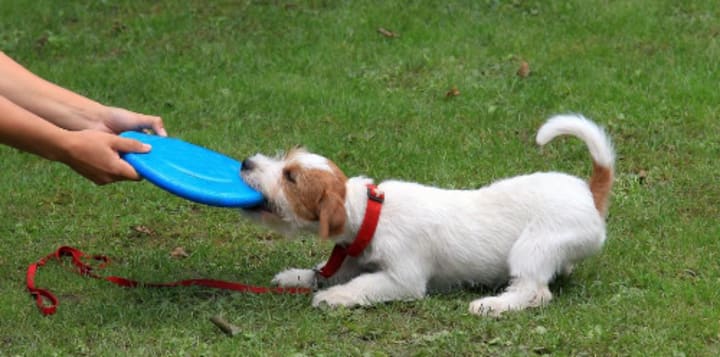
Dogs chew on plastic supplies at home, resulting in plastic particles entering the dog's body. Some dogs will play with the owner's plastic cups and bowls, and plastic particles will enter the dog's body.
There are plastic particles in the home's water supply. Some homes have plastic particles in their tap water, perhaps from some part of the plumbing, or from some water purifiers.
Dog food in plastic boxes can produce some plastic particles over time. Some of the plastic containers that hold dog food are not treated with special processes and can easily produce plastic particles.
Plastic food bowls for dogs, most people's pet dogs will consume metal food bowls, but there are still some people will prefer the lovely color of plastic food bowls, which can be detected plastic particles.
Plastic bags containing dog supplies, plastic bags are part of the problem of plastic particles, which can hurt the dog.
Good-looking plastic, not necessarily suitable as raw materials for dog supplies
Is it necessarily lethal?
There is no such definitive conclusion in academia. Clinically, veterinarians do not include plastic particles in the list of the most feared dog health killers either. However, as plastic products become more widely used by humans, this issue should be addressed sooner rather than later.
Plastic particles entering a dog's body do not necessarily cause death, and even some physically strong dogs with plastic particles in their stomachs can still have a life expectancy of more than 10 years. But in a more general and widespread sense: plastic particles are bad for dogs.
The carcinogenicity of plastic particles is one of the current causes of tumors in dogs
Plastic particles accumulate in the dog's body over many years, and the problem is less pronounced when the dog is young but tends to flare up when the dog ages.
Plastic particles are not uncontrollable, so they can be protected by prevention.
A large number of dog products are made of plastic
How can dogs be protected from plastic particles daily?
In the process of raising dogs on a daily rely possible to reduce the impact of plastic particles on dogs through small details. And these prevention do not require extra expenses for dog raising.
Use metal food and water bowls with no paint inside: Don't let your dog use a plastic bowl as a daily meal bowl. Metal food bowls are the best food bowls for dogs.
Whenever possible, make toys out of natural materials for your dog to play with: bones, wood, etc. You can make these toys yourself at home and do not necessarily need to buy them.
Do not use plastic bags for dog food and utensils: you can use cloth bags for utensils and metal containers for food.
Bought dog food in plastic bags: put them in metal, ceramic, wood, glass, and other material preservation containers as soon as possible.
Use glass instead of plastic as a common material for storing dog supplies: glass is a relatively safe material, and containers made of glass can be used to store some of the dog's staples and snacks.
About the Creator
Gross
It is not enough to be industrious, so are the ants. What are you industrious for?
A Dart at Dusk
Seconds ago, the sullen sun set on the two of us… my exuberant furry companion and me. A fresh breeze embraces us, delivering welcome relief from the day’s oppressive heat. His typical stumbling and staggering along — apace with a sloth — has turned into trip-trapping, high-stepping, almost skipping along.
By Angie the Archivist 📚🪶4 days ago in Petlife




Comments
There are no comments for this story
Be the first to respond and start the conversation.