
Do Parrots Eat Figs? Safe Or Risky
Can Parrots Eat Figs?

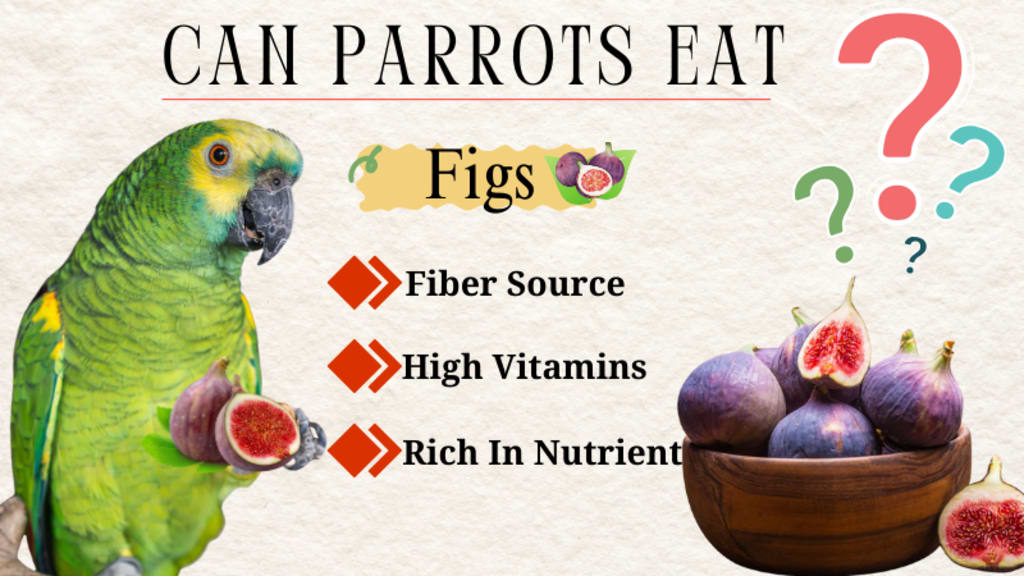
As a bird owner, you're likely always looking for healthy, nutritious treats to add variety and taste to your parrot’s diet. One question that often comes up is: Do Parrots Eat Figs? The answer is yes. Figs are safe for parrots and can offer several health benefits when served appropriately.
Many parrot species enjoy the sweet, soft texture of figs, although some birds may need time to adjust to this new addition. Interestingly, there's even a type of bird called the fig parrot that naturally thrives on these fruits. When feeding figs to your parrot, always consider the bird’s size. Smaller parrots like parrotlets should be given finely chopped pieces for easier digestion.
Can Parrots Eat Figs?
This article will walk you through everything you need to know about feeding figs to parrots — including benefits, risks, and proper serving methods. Read on to make informed choices about your bird’s diet.
What Are Figs?
Figs are unique fruits that resemble inverted flowers, often pear-shaped and filled with small, crunchy seeds. They are primarily grown in warm climates such as Asiatic Turkey and Northern India, and they come in a variety of types. Figs are sweet and soft, especially in their dried form, which tends to be even sweeter than fresh figs.
Are Figs Safe for Parrots?
Yes, figs are safe and healthy for parrots when included as part of a balanced diet. Parrots of all species and sizes can eat figs, but the portion size should be tailored to the bird's size. While they are nutrient-rich, figs should not dominate the diet. Ideally, fruits like figs should make up no more than 20–25% of your parrot’s overall diet.
Health Benefits of Figs for Parrots
Figs are packed with essential nutrients that support your parrot’s overall well-being. Here are some key nutrients found in figs:
Potassium: Supports protein metabolism and glucose production.
Calcium: Vital for strong bones and skeletal development.
Magnesium: Aids metabolism, heart health, bone formation, and enzyme activity. A deficiency may be life-threatening.
Iron: Helps with hemoglobin production and oxygen transport. Also supports feather pigmentation.
Copper: Important for healthy blood vessels, bones, and connective tissues.
Vitamin A: Essential for liver and heart health, immune function, and overall body regulation.
Vitamin K: Crucial in preventing excessive bleeding by aiding blood clotting.
Potential Health Concerns
While figs offer many benefits, there are some concerns to keep in mind:
Natural Sugar Content: Figs are high in natural sugars, which can lead to weight gain and obesity if consumed in excess.
Digestive Issues: Overfeeding fruit may cause digestive problems, including diarrhea. Introduce figs slowly and in small quantities.
Stickiness of Dried Figs: Dried figs can be sticky, potentially causing beak residue or difficulty eating. Ensure they are unsulphured and preservative-free.
Pesticide Exposure: Figs may be treated with harmful pesticides. Always wash thoroughly before serving.
How Much Fig Should You Feed Your Parrot?
Moderation is key when feeding figs:
Offer one to two small pieces of fresh fig per week.
Limit dried figs to one or two per week, as they are more concentrated in sugar.
What Parrot Species Can Eat Figs?
Figs are suitable for many parrot species, including:
Budgerigars (Budgies): Small birds that should be fed tiny fig pieces.
Cockatiels: Enjoy figs occasionally as a treat.
Amazon Parrots: Love the sweetness of figs and can handle larger portions.
African Greys: Can eat figs, but should be monitored due to a tendency toward weight gain.
Macaws: Larger birds that can eat whole figs, but only in moderation.
How to Serve Figs to Parrots
To safely serve figs to parrots, follow these steps:
Wash thoroughly to remove pesticides and contaminants.
Remove the stem and leaves, as they are inedible and may be harmful.
Cut into appropriate-sized pieces based on the size of your parrot.
Serve as an occasional treat, not as a daily food.
Monitor your parrot's reaction, especially if feeding figs for the first time.
Frequently Asked Questions
Do all parrot species eat figs?
Most parrot species can safely enjoy figs, though each bird may have individual preferences.
Can you feed dried figs to parrots?
Yes, dried figs are safe but should be free from sulfites and preservatives. They are less nutritious than fresh figs and higher in sugar.
Can parrots eat fig seeds and flesh?
Yes, both the flesh and seeds are safe. However, it's a good idea to crush the seeds for smaller birds to prevent choking.
Do parrots enjoy fresh figs?
Fresh figs are both nutritious and tasty for parrots, but should be offered in limited amounts.
Can parrots eat fig leaves or stems?
No, fig leaves and stems are not safe and should not be given to parrots.
Do wild parrots eat figs?
Yes, many wild parrots include figs in their natural diet, especially those living in tropical or subtropical areas.
Are ripe figs safe for parrots?
Yes, ripe figs are soft and sweet, making them easy to digest and appealing to parrots.
Final Thoughts: Can Parrots Eat Figs?
Figs can be a healthy, occasional treat that adds variety and nutrition to your parrot’s diet. Fresh figs and dates are preferable due to their higher nutrient content and lower sugar concentration compared to dried figs.
By understanding the benefits and risks, and following the correct serving practices, you can safely include figs in your parrot’s diet. If you have concerns or want to tailor your parrot's nutrition more precisely, consult with an avian veterinarian.
Would you like a visual guide on how to cut and serve figs for different parrot sizes?
About the Creator
Amelia Kosh
At Parrot Expert, we are more passionate about all stuffs parrots. Whether you’re a seasoned parrots owner, considering adopting a colorful friend, or just curious about these adorable creatures, you’ve come to the right place.
Keep reading
More stories from Amelia Kosh and writers in Petlife and other communities.
Is Broccoli Safe For Parrots? A Complete Guide
As a caring pet lover, it's essential to ensure your feathered companion receives a balanced and nutritious diet. One of the most common questions bird owners ask is: “Can Parrots Eat Broccoli?” If yes, how much is safe for them to eat?
By Amelia Kosh10 months ago in Petlife
Malaban Wash for Dogs: Complete Guide to Safe and Effective Parasite Control
What Is Malaban Wash for Dogs? Malaban Wash is a medicated rinse designed to help control external parasites in dogs. Unlike regular shampoos that simply clean dirt and odor, Malaban Wash is formulated specifically to tackle fleas, ticks, lice, and certain mites.
By Thomas Muller7 days ago in Petlife
Understanding the Causes, Symptoms, and Treatment Options for Colitis in Dogs
Colitis in dogs is a common gastrointestinal condition that affects the large intestine (colon). When the colon becomes inflamed, it can lead to uncomfortable and sometimes alarming symptoms for your pet.
By Dominion Valley Animal Hospital6 days ago in Petlife
Pearl
1980 something. we all hung out at Pearl and you and i were nothing special, or so i thought. i mean we all danced, drenched in our own sweat, our own saline solution of fear, too many beers, shots, laughter, tears, fucks in the bathroom and i don't know when we began to be afraid. do you?
By ROCK aka Andrea Polla (Simmons)7 days ago in Fiction




Comments
There are no comments for this story
Be the first to respond and start the conversation.