
Do Chameleons Need Humidity at Night?
Unraveling the Mystery Behind Chameleon Care
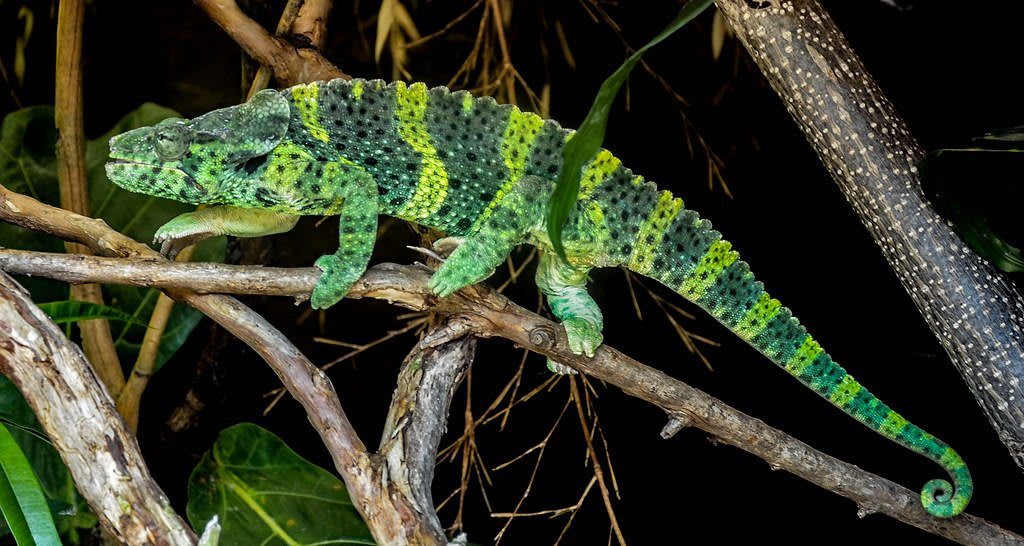
Chameleons are captivating creatures known for their remarkable ability to change colors and their unique body structures. These reptiles have become popular pets due to their intriguing behaviors and exotic appearances. Proper care and husbandry practices are crucial to maintaining the health and well-being of captive chameleons. Among the key considerations is providing the right environmental conditions, including humidity levels.
In this article, we will explore the question of whether chameleons need humidity at night and shed light on the significance of humidity for these fascinating reptiles.
Understanding Chameleon Habitats
Before delving into the specifics of chameleon humidity requirements, it is essential to understand their natural habitats. Chameleons are primarily found in tropical and subtropical regions across the world, with each species adapted to specific climates. Their natural habitats often feature high humidity levels due to frequent rainfall and dense vegetation. Consequently, replicating these conditions in captivity is crucial for the health and well-being of pet chameleons.
Nocturnal Humidity Requirements
While the topic of humidity for chameleons is widely discussed, there is no consensus on whether chameleons require increased humidity levels specifically at night. Some argue that replicating their natural environment is essential for their overall health, while others believe that maintaining a consistent humidity level throughout the day is sufficient. To gain a clearer perspective, let's examine the two main viewpoints.
Viewpoint 1: Humidity Fluctuations
Advocates of maintaining humidity fluctuations argue that chameleons, like many reptiles, have evolved to adapt to varying environmental conditions. In their natural habitats, humidity levels may drop at night as temperatures cool down. These fluctuations are believed to be beneficial for chameleons, as they allow the reptiles to adjust their physiological processes accordingly.
Supporters of this viewpoint argue that mimicking these fluctuations by decreasing humidity levels at night can promote natural behaviors and physiological processes in captive chameleons.
Viewpoint 2: Stable Humidity
On the other hand, proponents of maintaining stable humidity levels throughout the day argue that sudden drops in humidity at night could potentially stress chameleons. They believe that providing a consistent and suitable humidity level aids in preventing dehydration and maintains proper skin health.
Chameleons are known to drink water droplets from leaves and other surfaces, and high humidity levels contribute to the formation of these droplets. Advocates of stable humidity argue that a continuous supply of droplets during the night ensures adequate hydration for chameleons.
The Importance of Monitoring Humidity
Regardless of which viewpoint one adheres to, it is crucial to monitor humidity levels in chameleon enclosures. Chameleons require a relative humidity range of 50-70% during the day. This range helps facilitate proper shedding, maintain hydration, and support respiratory health.
To ensure optimal conditions, it is advisable to use digital hygrometers to measure humidity accurately. Monitoring humidity levels allows chameleon owners to make adjustments as necessary, providing the best possible environment for their pets.
See the “Chameleon Care Guide” for a detailed explanation of all you need to know about this.
Creating an Optimal Chameleon Habitat
To create an optimal habitat for chameleons, it is important to consider several factors beyond humidity alone. These include temperature, lighting, ventilation, and foliage. Chameleons require a basking area with temperatures ranging from 80-85°F (27-29°C) during the day, with cooler zones around 70-75°F (21-24°C).
A combination of UVB lighting and appropriate foliage provides the necessary UV radiation and hiding spots essential for chameleon well-being. Proper ventilation is crucial to prevent stagnant air and the growth of harmful bacteria or fungi.
Conclusion
While the debate over chameleon humidity requirements at night continues, it is clear that maintaining suitable humidity levels is essential for the overall health and well-being of these captivating reptiles. Chameleons are native to high humidity environments, and replicating these conditions to the best of our ability in captivity is crucial.
Whether you choose to provide fluctuations in humidity or maintain stable levels, monitoring and adjusting conditions as necessary is vital. By creating an optimal habitat that encompasses humidity, temperature, lighting, and other key factors, chameleon owners can help ensure their pets thrive and enjoy a healthy life.
Remember, if you have any specific concerns about the care of your pet chameleon, it is always advisable to consult with a veterinarian or an experienced reptile specialist.
Disclosure
“We are a participant in the Clickbank Affiliate Program, an affiliate advertising program designed to provide a means for us to earn fees by linking to Clickbank.com and affiliated sites at no extra cost to you.”
About the Creator
Chameleon Care Secrets
Chameleon Care Secrets reveals the hidden knowledge behind successfully caring for chameleons. Discover expert tips, husbandry secrets, and essential techniques to ensure your chameleons thrive in their habitats.
Keep reading
More stories from Chameleon Care Secrets and writers in Petlife and other communities.
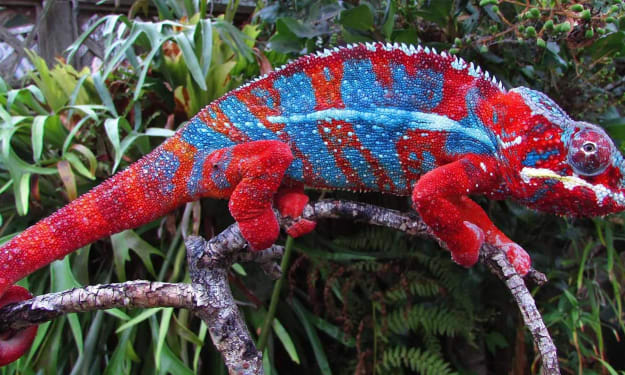
What Does It Mean When a Panther Chameleon Turns Red?
Panther chameleons (Furcifer pardalis) are mesmerizing creatures known for their ability to change colors. These stunning reptiles showcase an astonishing array of hues, patterns, and shades. While their color-changing abilities primarily serve as a means of communication, defense, and thermoregulation, there is one color change that captures the attention of chameleon enthusiasts and researchers alike—the vibrant red display.
By Chameleon Care Secrets3 years ago in Petlife
Are Lick Mats Actually Good For Dogs, Cats, and Small Pets?
If you have been to pet shops or online pet groups lately, you have likely seen the pet lick mat. These bright, bumpy rubber mats are a huge hit, and for good reason. Pet owners find that their dogs, cats, and small pets love them.
By Alice Adams5 days ago in Petlife
Malaban Wash for Dogs: Complete Guide to Safe and Effective Parasite Control
What Is Malaban Wash for Dogs? Malaban Wash is a medicated rinse designed to help control external parasites in dogs. Unlike regular shampoos that simply clean dirt and odor, Malaban Wash is formulated specifically to tackle fleas, ticks, lice, and certain mites.
By Thomas Muller7 days ago in Petlife



Comments
There are no comments for this story
Be the first to respond and start the conversation.