
Cytopoint for Dogs 🐶 | Fast Relief for Itchy Skin
DoggyZine.com

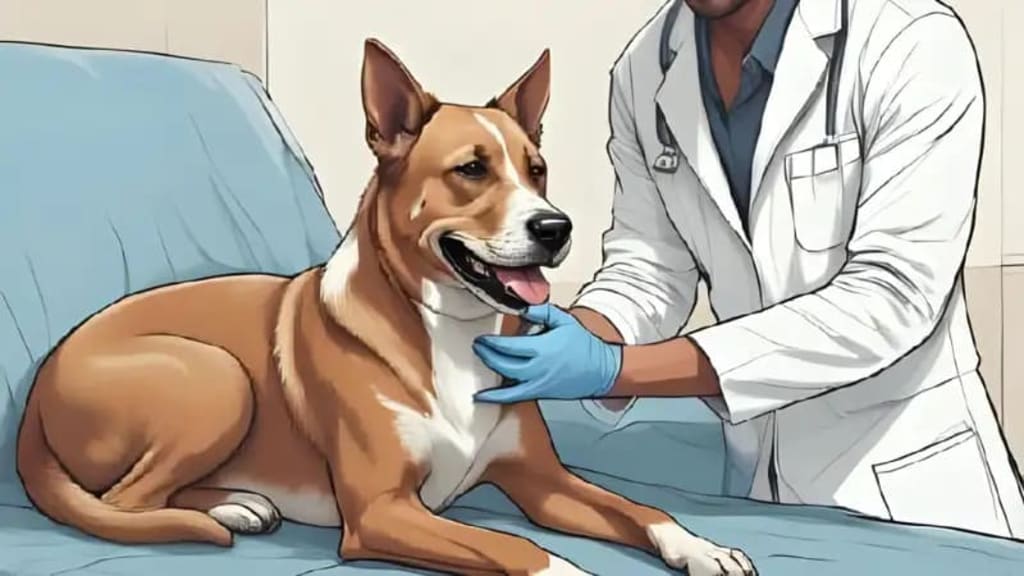
Understanding Canine Atopic Dermatitis
Canine atopic dermatitis affects about 10-15% of dogs. This makes it one of the most common skin disorders vets treat. Dogs inherit this inflammatory and itchy allergic skin disease through their genes. The condition doesn’t just affect dogs – it takes a toll on their owners too. Almost half the owners say it affects their own wellbeing.
Common symptoms: pruritus, lesions, and ear infections
Pruritus (itchiness) stands out as the main sign of atopic dermatitis. Dogs show this through different behaviors. They scratch, lick, chew, rub, or bite specific areas of their body. These areas usually include their face (mainly the muzzle and around the eyes), paws, axillae (armpits), inguinal region (groin), ears, and ventrum (abdomen).
The skin looks normal at first, except for marks from self-injury. The condition gets worse over time and leads to several typical changes:
Erythema (redness) in affected areas
Hair loss due to excessive scratching and licking
Salivary staining (brown discoloration) from constant licking
Thickened, darkened skin (lichenification and hyperpigmentation)
Secondary bacterial and yeast infections
Chronic or recurrent ear infections
Ear problems can be stubborn. They start at the medial pinna and spread to the ear canals. This leads to more inflammation and infection. Some dogs come to the vet with ear problems as their main complaint.
Prevalence in breeds like Labradors and Terriers
Any breed can develop canine atopic dermatitis. Studies show some breeds face higher risks than others. Research points to Labrador Retrievers and Golden Retrievers as the most affected breeds.
The number of cases varies by location. Scientists estimate it affects 3-15% of all dogs. A study of 31,484 dogs at 52 US vet practices found atopic or allergic dermatitis in 4.7% of cases. Research from the University of Montreal showed that 18.8% of dogs with skin problems had atopy.
These breeds also face higher risks:
West Highland White Terriers
Boxers
French and English Bulldogs
German Shepherds
Dalmatians
Shih Tzus
Boston Terriers
Pit Bull Terriers
Various terrier breeds
The environment plays a big role too. Indoor dogs get this condition more often. Australian researchers found 11 dog breeds worldwide that face much higher risks of atopic dermatitis.
Diagnosis of exclusion: ruling out food, fleas, and infections
Vets find it hard to diagnose canine atopic dermatitis because no single test can confirm it. They use a step-by-step process to rule out other conditions. This process combines clinical signs and patient history.
The diagnostic steps include:
Vets first check for parasites. They scrape the skin, pluck hair, and use flea combs. This rules out scabies, flea allergies, and other parasitic problems.
Next, they treat any bacterial and fungal infections. These infections often come with atopic dermatitis and make symptoms worse. Treatment must clear these infections before making a final diagnosis.
Then comes a food elimination trial. Food allergies can look like atopic dermatitis or exist alongside it in up to 30% of allergic patients. Dogs follow a strict diet with new or hydrolyzed proteins for 8-12 weeks.
If the itching continues after these steps, vets use diagnostic tools like Favrot’s Criteria. This looks at factors such as:
Age of onset under 3 years
Mostly indoor living
Corticosteroid-responsive pruritus
Chronic or recurrent yeast infections
Affected front feet and ear pinnae
Vets might also run allergy tests. These include skin tests or blood tests to find specific environmental triggers. These tests help create treatment plans rather than confirm the diagnosis.
Treatments like Cytopoint help dogs feel better. Still, understanding atopic dermatitis helps owners and vets manage this tough condition better.
Cytopoint represents innovative technology in treating canine skin allergies. The FDA has approved this medication to ease itching linked to atopic dermatitis. The way it works is different from traditional pharmaceutical options.
Cytopoint as a monoclonal antibody therapy
Cytopoint (lokivetmab) is a caninized monoclonal antibody therapy engineered specifically for dogs. Traditional medications use chemicals, but Cytopoint works as a biological protein that acts just like the antibodies a dog’s immune system naturally produces. Scientists developed this treatment through genetic engineering called “caninization.” This process makes the protein less immunogenic while it still binds specifically to canine IL-31.
Cytopoint targets one specific protein in the body with incredible precision. This is a big deal as it means that other treatments affect multiple pathways or systems at once. Scientists create the medication using lokivetmab, which they produce through recombinant techniques in Chinese hamster ovary (CHO) cells. This protein targets and neutralizes a key cytokine that causes itching without disrupting other immune functions.
IL-31 inhibition and its role in itch reduction
The science behind Cytopoint revolves around its IL-31 inhibition. Research shows this cytokine kicks off the itching response in dogs with allergic dermatitis. IL-31 acts as a T-helper 2 (TH2) cytokine that triggers intense itching in several species, including our canine friends.
Here’s how it works: IL-31 normally attaches to receptors on peripheral neurons and activates pruritogenic signals in peripheral nerves. These signals then travel to the brain and create that itchy sensation. Cytopoint stops this process by grabbing and neutralizing soluble IL-31 before it reaches its receptors.
Lab studies prove this approach works fast. Cytopoint starts fighting pruritus within 8 hours after administration. By blocking IL-31 from reaching its co-receptor, the medication stops IL-31-mediated cell signaling. This provides quick relief from atopic dermatitis-related pruritus and reduces inflammation.
The results show something fascinating – blocking just IL-31 with lokivetmab creates an immediate antipruritic effect in atopic dogs. This confirms IL-31’s special role in allergic itching.
Cytopoint injection for dogs: administration method
Vets give Cytopoint as a shot under the skin, usually near the shoulder blade area. The medication comes ready to use in sterile liquid vials with four different strengths (10, 20, 30, or 40 mg).
The dosage follows a simple rule: 0.9 mg/lb (2 mg/kg) of body weight minimum. Vets follow these key steps:
Give the full amount from the right vial based on the dog’s weight
Larger dogs over 40 kg might need more than one vial
Gently flip the vial three to four times before giving the shot
One major benefit of Cytopoint is its lasting effect. A single shot controls allergic itching within 24 hours and keeps working for 4 to 8 weeks. Most dogs need shots every 4-8 weeks, depending on how they respond.
The medication needs refrigeration (2–8°C) and must stay away from light. Most vets let the dose warm up to room temperature before giving the shot – this makes it more comfortable for the dog.
The medication stays active in dogs for quite a while – 16.5 ± 3.0 days on average. This long-lasting effect makes monthly shots possible and helps manage ongoing itching. This schedule works great for dogs who struggle with daily medications.
Cytopoint Dosing and Administration Protocol
The right dose of Cytopoint helps maximize benefits for dogs that suffer from atopic dermatitis. Vets fine-tune the treatment plan based on each patient’s needs through a simple yet specific process.
Cytopoint dosing chart by weight (2 mg/kg)
Vets calculate Cytopoint doses based on the dog’s weight, with 2 mg/kg as the recommended minimum dose given under the skin. The medicine comes in single-use 1 mL vials with four strengths: 10 mg, 20 mg, 30 mg, and 40 mg. This dosing chart helps vets give the right amount:
For dogs under 5 pounds (2.3 kg):
Calculate at 0.09 mL per pound (0.2 mL per kg) drawn from a 10 mg vial
For dogs between 5-40 pounds (2.3-18.1 kg):
5-10 pounds (2.3-4.5 kg): One 10 mg vial
11-20 pounds (5.0-10.0 kg): One 20 mg vial
21-30 pounds (10.1-15.0 kg): One 30 mg vial
31-40 pounds (15.1-18.1 kg): One 40 mg vial
Larger dogs over 40 pounds (18.1 kg) need multiple vials:
41-50 pounds (18.2-22.7 kg): One 10 mg vial plus one 40 mg vial
51-60 pounds (23.1-27.2 kg): Two 30 mg vials
61-80 pounds (27.7-36.3 kg): Two 40 mg vials
81-100 pounds (36.8-45.4 kg): One 10 mg vial plus two 40 mg vials
Vets draw the full contents from each needed vial into one syringe. The solution needs gentle inversion three to four times before injection to mix properly.
Injection frequency: every 4–8 weeks
Cytopoint’s long-lasting action is one of its best features. Dogs feel relief from allergic itching within a day, and this relief lasts 4 to 8 weeks typically. This is a big deal as it means that dogs need fewer doses compared to daily medications.
Each dog responds differently, so treatment intervals vary. Here’s what vets usually recommend:
Initial treatment phase: Dogs get their first few shots about 4 weeks apart
Maintenance phase: Time between shots may get longer based on how well the dog responds
Customized schedule: Pet owners and vets learn to spot when symptoms return, and that indicates it’s time for another shot
Vets usually check the dog’s progress about 4 weeks after the first shot. This gives them a full picture of how well the treatment works and helps set the right schedule going forward.
Research shows that dogs with limited or no response after the first month often do better with a second dose a month later. Notwithstanding that, vets usually think about other treatment options if the dog still doesn’t improve after the second dose.
In-clinic administration and owner compliance
Vets give Cytopoint as a shot under the skin in their clinic – it’s not something owners do at home. This approach has clear benefits:
Dogs get the exact dose they need from skilled professionals. The shot is small and feels much like a regular vaccine.
Pet owners find it easier to stick with this treatment plan. Many struggle to give daily medicines, especially when their dogs resist taking pills. Vet skin specialists say Cytopoint “is a great option for dogs with atopy that are hard to medicate or for clients who need the convenience of a monthly treatment”.
The long-lasting effects mean fewer trips to the vet compared to other treatments. One visit can keep dogs comfortable for up to two months.
Zoetis offers their Cytopoint Allergic Itch Tracker tool to help owners monitor their dog’s symptoms between visits. This tool helps figure out the best time for the next shot, which should be scheduled when scratching starts to increase.
Most dogs need lifelong allergy management. Cytopoint’s treatment plan offers an effective real-life solution that works well for both the medicine’s effectiveness and owner’s ability to follow through.
About the Creator
Peter Ahn
DoggyZine.com provides unique articles. Health, Behavior, Life Style, Nutrition, Toys and Training for dog owners.
Velveteen Lop Rabbit Lifespan Size Color Diet and Interesting Facts
As we know when people assume Velveteen Lop Rabbit many time the sweet story of the Velveteen Rabbit comes to mind. The name of this breed is not taking from any rabbit, but the book The Velveteen Rabbit have a very cute, sociable, and friendly nature.
By Rabbits Advisor5 days ago in Petlife
Helping Your Elderly Cat Who's Going Blind
When Your Cat Loses Its Sight It can be heartbreaking to watch your beloved kitty go blind. When my cat started to go blind, it was really hard to watch her bump into walls, not to mention the constant loud meowing, which made her sound like she was in excruciating pain. She wasn't. However, she was very confused and scared.
By Janis Masyk-Jackson6 days ago in Petlife
A Transparent Look at Vocal Challenges and Top Stories
Almost three years ago, we shared a resource article that served as a place for people to suggest new challenge prompts. We thought it would be a good idea to refresh that thread, and take the opportunity to answer a few common questions about top stories, how challenges are judged and how submissions are reviewed.
By Vocal Curation Team3 days ago in Resources


Comments
There are no comments for this story
Be the first to respond and start the conversation.