
Clumping Cat Litter and the Necessity to Pick the Right Product for Your Kitty
Crystal cat litter is made of silica gel beads, and it works a bit differently than conventional, clay-based clumping litter.
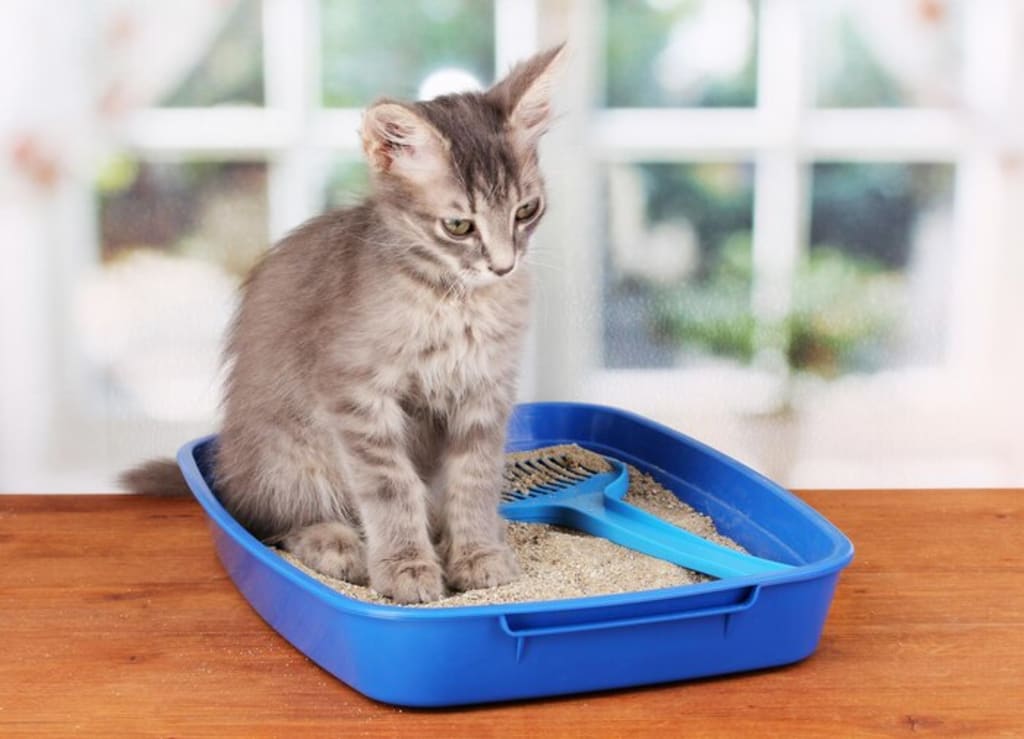
There is no denying that cats are one of the best animal companions for individuals who lack the space necessary for other, more physically active pets. Sure, nothing beats the companionship of a Golden Retriever or the security brought by a German Shepherd. But dogs are not really suitable for apartment living, and in order to fulfil their physical and behavioural demands, you will need to walk them at least two or three times per day. That’s a bit of a challenge, one that many Aussie pet owners are not prepared to handle.
Do you want the companionship of a small but independent animal that will adapt to the specifics of your apartment and also keep itself clean, without too much effort from your part? In that case, like so many Australians before, you have probably at least considered getting a new pet cat. Intelligent, social, but also more adaptable to small living situations than dogs, kitties are the preferred pet choice for no less than 34% of all households in our country. They are simply the best pet for people who don’t have the necessary free time to accommodate the social structure of a more energetic animal companion.
Plus, cat ownership comes bundled with another advantage. Cats, just like the vast majority of their feline cousins, have an ingrained instinct to bury their waste. Which in practice, means that potty training them is pretty much a breeze. Cats, after reaching three or four weeks old, can often start using litter boxes on their own, and by eight to twelve weeks, they should no longer have any accidents. But, in order to make the process as easy as possible for your kitty, you will need to invest either in crystal or clumping cat litter.
Do You Really Need to Invest in Quality Cat Litter?
Short answer? Yes, absolutely. Investing in high-quality clumping cat litter or even in crystal cat litter is not an option, but rather an essential part of the ownership of a feline companion. In nature, cats bury their waste in order to hide their scent from other predators, hunt more efficiently and also to signal the boundaries of their territory. Their cleanliness makes them the perfect companion for indoor living. However, their reliance on a litter box can also become problematic, as long as the litter is not properly taken care of.
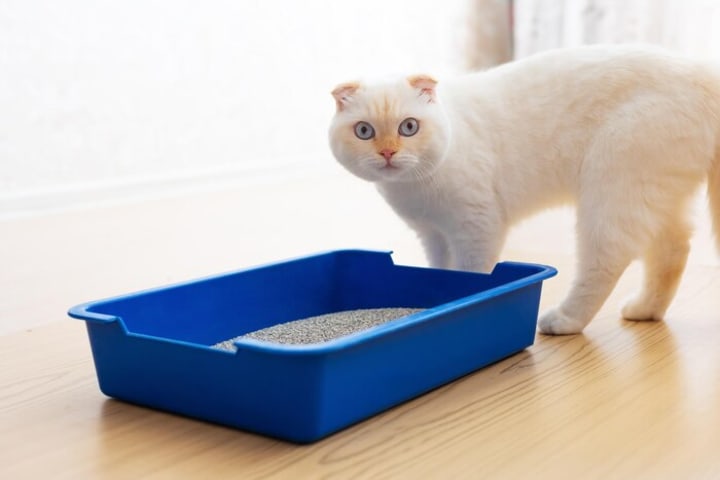
Many years ago, when my old cat, Puppy, was still alive and kicking, my parents decided it would be a fantastic idea to try and save a few bucks by replacing the crystal cat litter we usually bought for her with a cheaper, clumping cat litter, commercialised by a no-name brand. From what I can remember, while it was cheaper to purchase, the new litter was also doing a worse job at minimising the smells from the litter tray, and more importantly, it was dustier, which after a while, made Puppy avoid the litter box altogether.
But she didn’t just do her business outside her assigned space. No, instead she started to hold it in, for hours on end, until she eventually developed a UTI that progressed to a full-blown kidney infection. Cats are picky when it comes to their litter, and, at least in my parents’ case, 5$ saved on a lower-quality clumping cat litter transformed into a vet visit that came bundled with an $800 bill. Yes, the costs of pet ownership make us consider savings whenever we can. That said, at least when it comes to clay-based or crystal cat litter, your top priority should always be the quality of your purchase.
Why Go for Clumping Cat Litter?
Cats have a natural instinct to bury their waste, so it makes sense to go for a type of litter that forms solid clumps when it comes in contact with moisture. For most owners, clay-based clumping kitty litter is the best choice available for open or closed litter boxes, as it presents a good balance between quality, practicality and affordability. Since it forms lumps around faeces or urine, clumping litter makes it possible to scoop only the part of the litter that was soiled by your cat. In other words, with clumping litter, you can pretty much clean the litter box in seconds, and since the clumps are formed immediately, odour stay trapped more efficiently and doesn’t have a chance to travel throughout the box.
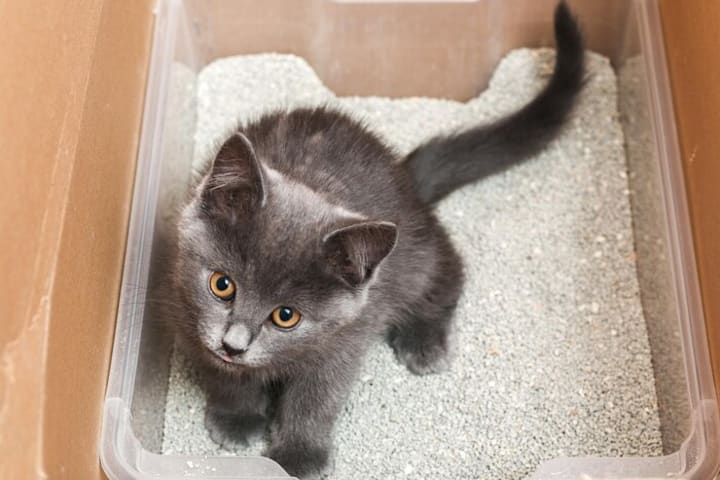
Clumping litter is hygienic, as the waste is removed completely. That said, some cheaper variants of clumping litter can and do, in some cases, lead to the accumulation of dust in the litter box, which might make your kitty not use it like it did before. Clumping, clay-based litter is tolerated by most cats, and it’s perhaps the most economical solution available in Aussie pet shops. That said, clay litter is a bit heavier to carry than other, market-available types, and if you’re unlucky, the bits of clay used in the litter could stick to your cat’s paws and get dragged around the house. Which is not exactly ideal, is it?
What About Crystal Cat Litter?
Crystal cat litter is made of silica gel beads, and it works a bit differently than conventional, clay-based clumping litter. Crystal litter absorbs moisture and traps odours inside the crystal beads, but solid waste still needs to be manually scooped. For urine absorption, crystal litter is more effective than conventional, clay-based options, and typically, one bag should last you significantly longer. Moreover, unlike clay-based litter, silica bead-based litter does not produce any dust and it’s also not as sticky, so it’s less likely for your kitty to drag it around the house.
That said, there are also some downsides to consider. Number 1) Crystal cat litter doesn’t clump, so solid waste is harder to scoop and will also produce more unpleasant odours. Number 2) Some cats might not like the texture of silica beads. But perhaps most importantly, crystal-based litter is more expensive than conventional, clay-based options. The difference is not huge, but it’s enough to be considerable in the long run. What you decide to purchase is up to you. But, in the end, the most important thing is to look for the reaction of your kitty to the new litter. Does she love it? Then, that’s all you need to know.
About the Creator
Keep reading
More stories from writers in Petlife and other communities.
The Summer I Was Chosen by a Northern Mockingbird
During the long, suspended days of the pandemic, a wild mockingbird began visiting my driveway and chose me, again and again. What started as a strange encounter became a brief, meaningful connection that I still carry with me.
By Erica Roberts 17 days ago in Petlife
One Week to a Well-Behaved Dog: Your Step-by-Step Guide
If you’ve ever felt overwhelmed by your dog’s behavior — jumping up, barking, pulling on the leash, or ignoring commands — you’re not alone. Many dog owners assume that training involves months of hard work, endless classes, and constant frustration. But the truth is, with the right approach, you can dramatically improve your dog’s behavior in just one week.
By Paw Planet about 21 hours ago in Petlife
Trouble at the Tea Leafing Café
The rain had started right around the time that Annie was buttering her second thick slice of homemade toast for breakfast, and hadn’t paused since. Not that anyone could tell. The windows of the café were fogged over, and with every seat filled with happy customers munching on fresh baked pastries or steaming bowls of the delicious soup of the day, it was hardly surprising. Annie looked around the room, finally taking a moment to breathe after the lunch time rush. Her old life already felt like a bad memory, a part of her history, always, but just that. History.
By Hannah Moore7 days ago in Fiction




Comments
There are no comments for this story
Be the first to respond and start the conversation.