
Cat Valley
The best time to be a community cat in the Río Grande Valley.
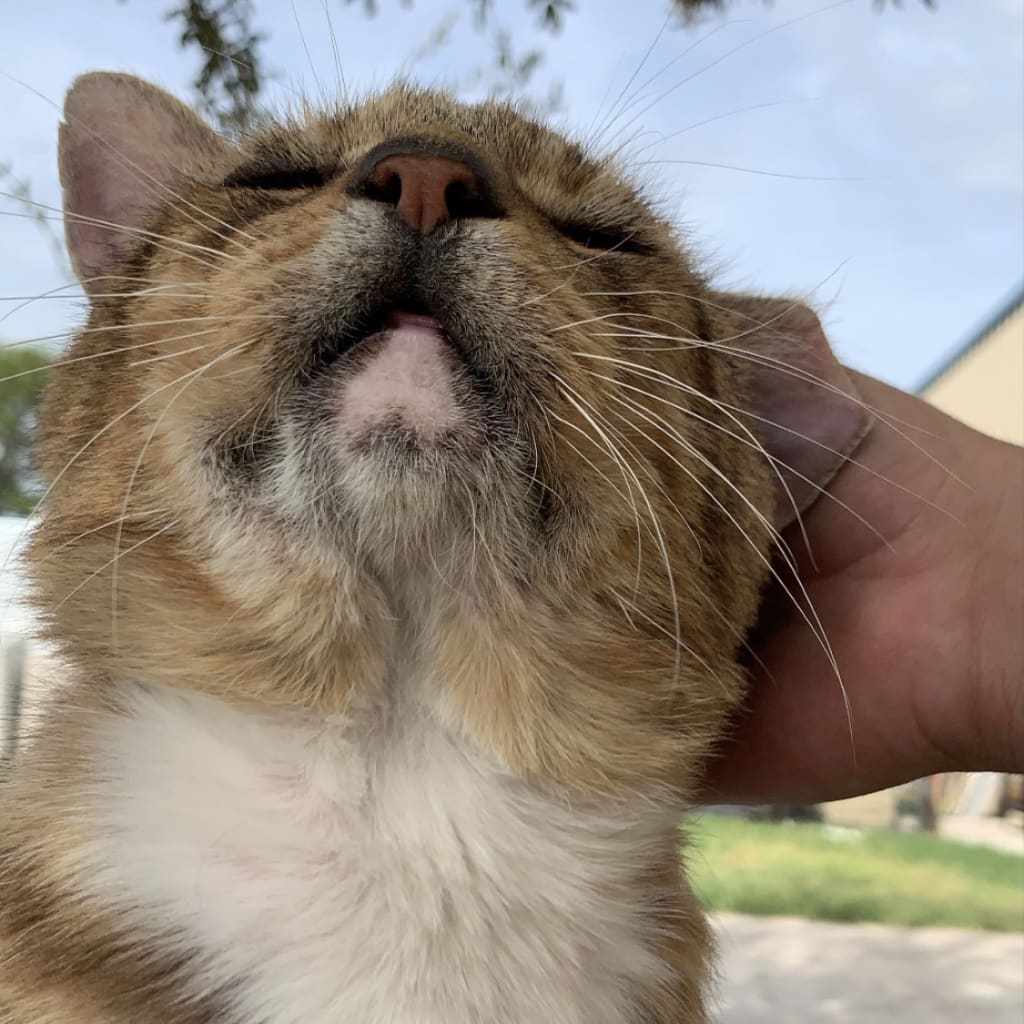
Often fondly referred to as “The Valley,” the Río Grande Valley (RGV) comprises several metropolitan areas and smaller neighboring cities, or colonias.
The Valley is home to a rich animal life including community cats, dogs, opossums, a thriving bird community with a variety of species, and more; with people that have very strong opinions about all of them... and more!
When I accepted a position at the local animal shelter as the Community Cat Program (CCP) Coordinator’s Assistant I was aware of the role I would be playing in the cats’ lives, but I was not expecting to fall in love with the place I spent so much of my adolescence trying to run from.
I happily volunteered to take the long drives to the county areas outside of the city limits to return community cats in exchange for the possibility to explore a part of the Valley I had never seen before.
I was always surprised!
The previously off putting alleyways and overgrown, unkempt vacant lots were now mini jungles and kitty cat castles.
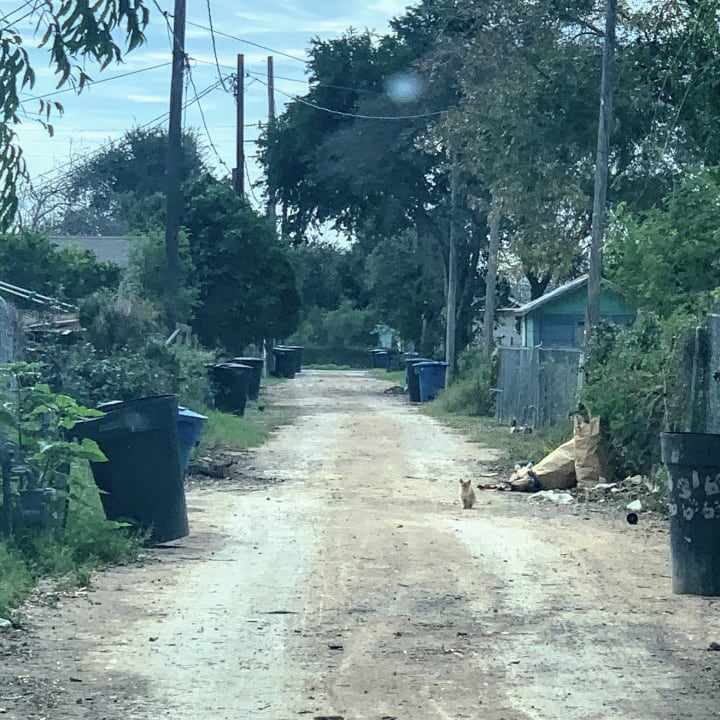
How did I not notice before? The cats, while great pest control for mice and snakes, had almost become pests themselves. Because of the warm, tropical climate, they reproduce year round.
No one thought to get the cats fixed!
The community cats were raised outdoors, being fed by a local cat lover, hunting and thriving, or scoping out the area, when they got trapped by a community member and taken to Palm Valley Animal Society (PVAS) by an Animal Control Officer (ACO).
30 years ago, even 10 years ago, this more than likely would have been a death sentence for a community cat.
Since 2019, the CCP has been carefully considering each cat that enters the shelter (thousands!) and places those qualified through the program to receive sterilization surgery and treated with vaccines and medication.
Once the cats are cleared to return to the field by veterinarians, the CCP staff drives out to the spot where they were originally picked up and finds a safe place to release them.
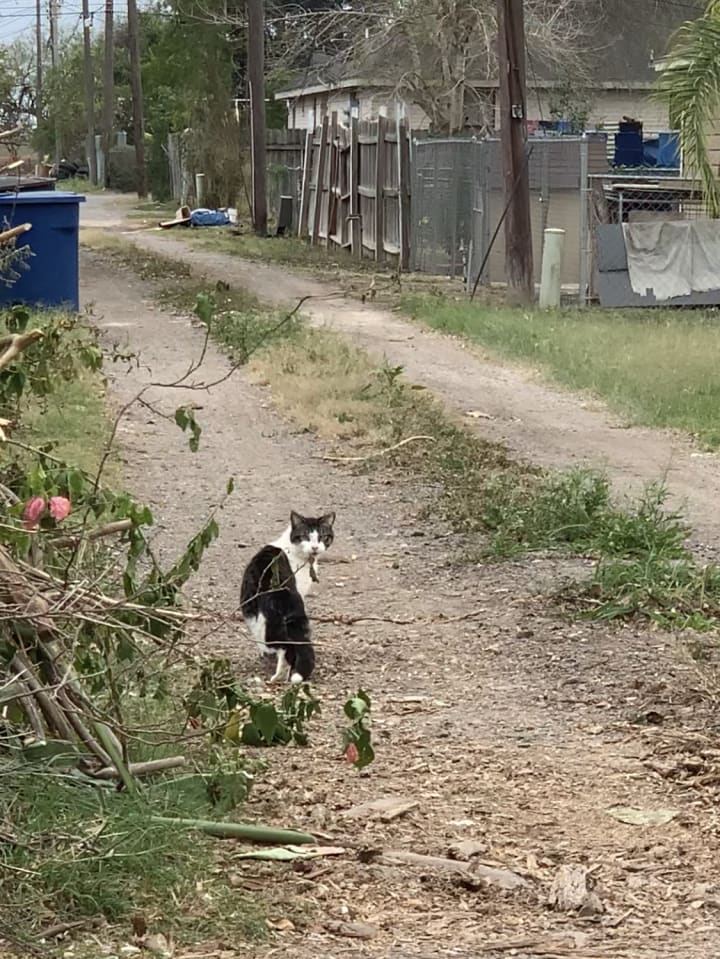
If you drive around the streets of McAllen or Edinburg there is a good chance you’ll run into an ear-tipped community cat living its best life.
Cats are ear-tipped during surgery to obviously and visually identify them as sterile to Animal Control Officers.
That is the best part! The left ear tip keeps the ACO safe from sharp kitty teeth and claws, and let’s them know the cat is sterile and vaccinated, making it safe to release them from the trap.
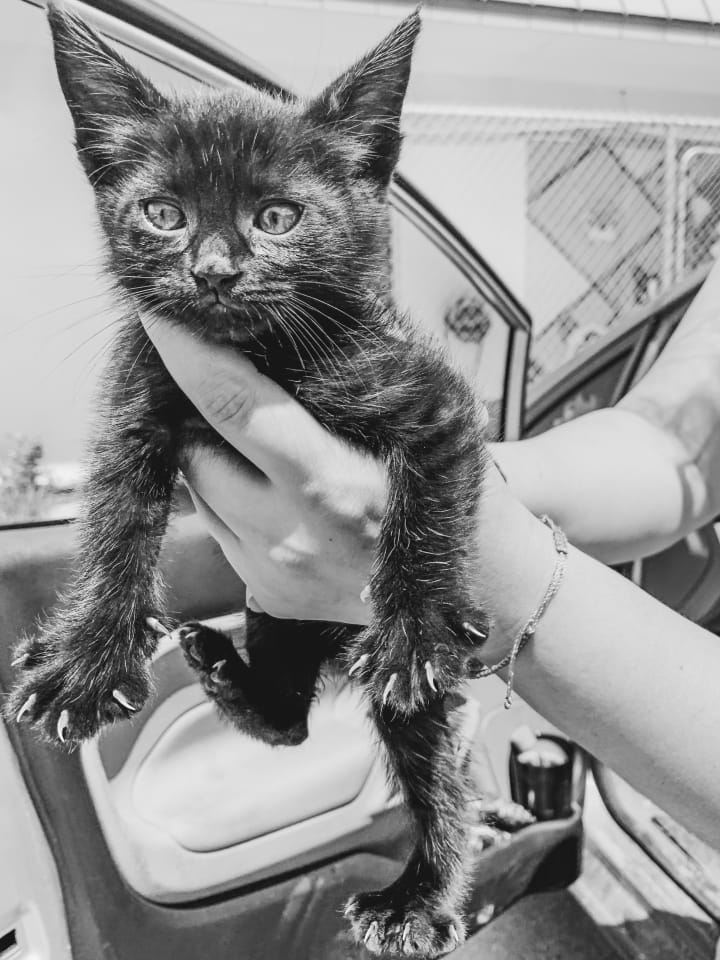
Ear-tipped cats are saved the stress and anxiety of a trip to the shelter and it saves resources for the next cutie that needs them!
Now, don’t even get me started on the cat lovers that feed colonies of 10, 20, and even 30 or more cats.
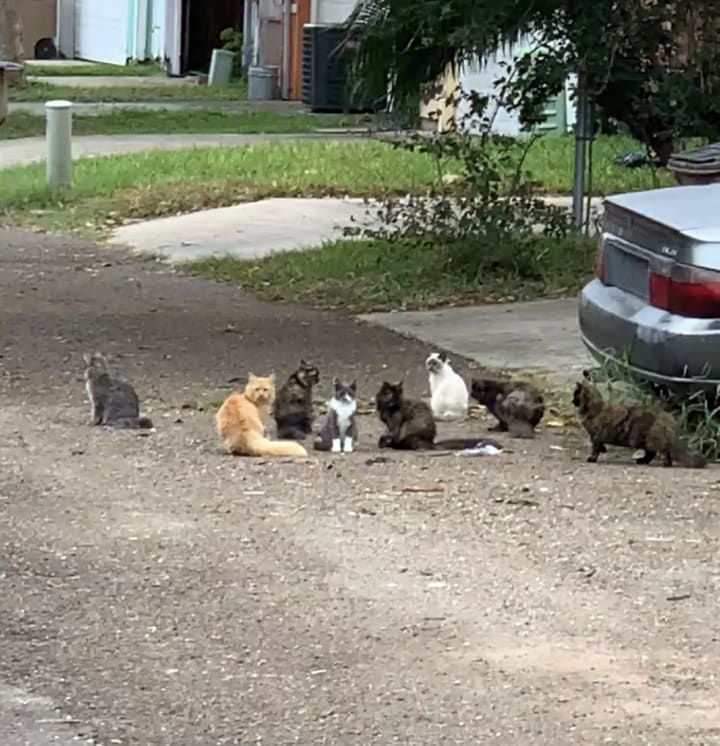
So many of the people feeding the community cats are making sure the cats eat before they do.
When told about the program, and that sterilization surgery and medical treatment would be provided for the cats, many residents resisted in fear of the cats being put up for adoption at the shelter and never returning.
Once they understood the CCP returns them and simply wants to keep their cat colony from growing, it was “¿Quieres café?” or “Come back around 2 and the bbq will be ready!”
In the short couple of years that the CCP and other lifesaving programs have been implemented at PVAS, the save rates have increased from 20-30% to over 90%!
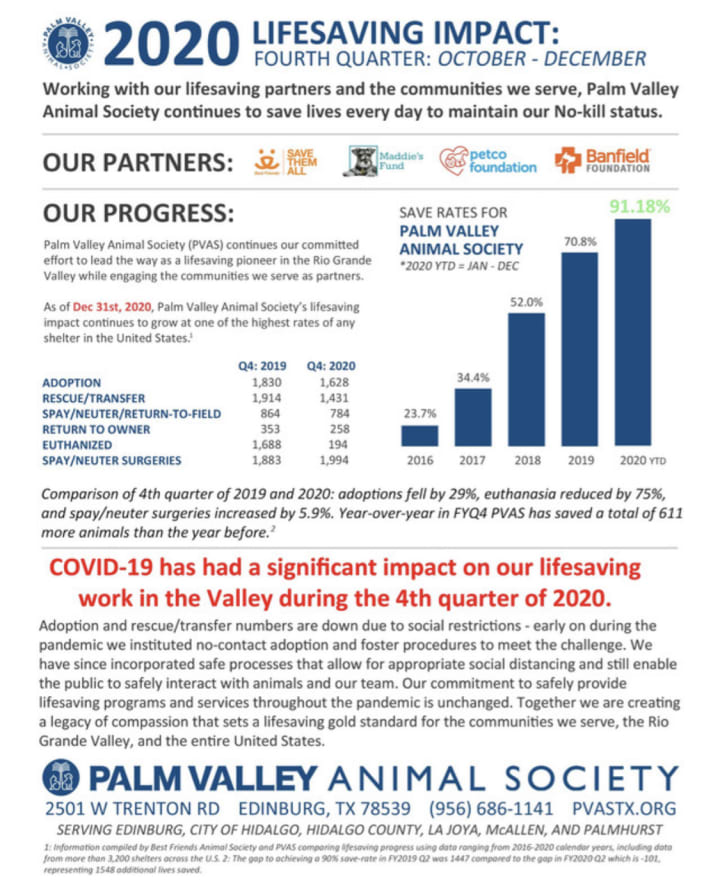
Policies are constantly changing at PVAS in order to adapt and save as many lives as possible, but the last time I was there, puppies and small dogs were being kept in two rooms that used to be full of cats waiting for homes.
There were not enough cats to fill the rooms so the dogs were given more space!
My time with the CCP was short but full of joy! I will always be grateful I had the opportunity to save cats and fall in love with my hometown in one fell swoop.
The next time I leave the RGV I know it will be to mindfully explore a new opportunity, instead of running away from a place I had never given the time of day.
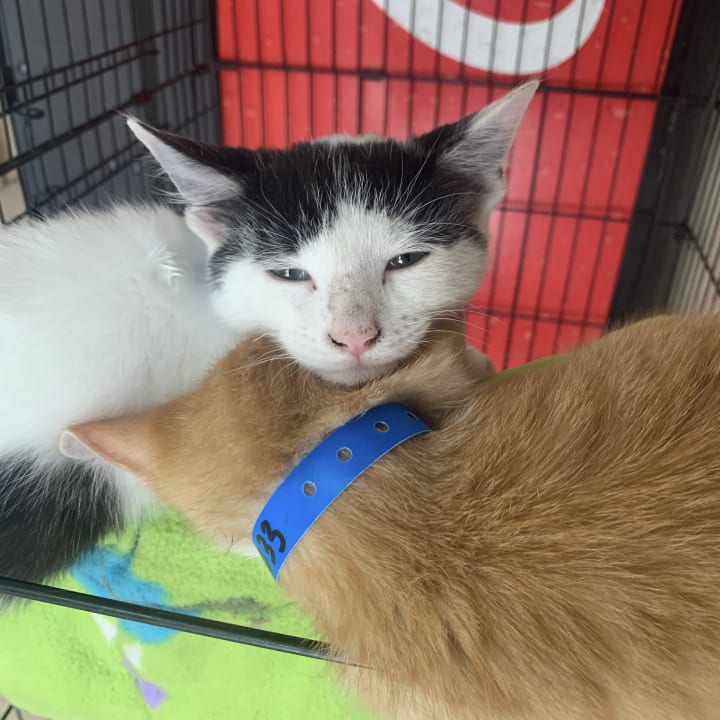
If you would like to learn more about PVAS and their amazing lifesaving efforts, visit their website here.
About the Creator
Keep reading
More stories from writers in Petlife and other communities.
Off the Leash: The Essential Gear Guide for Adventurous Dogs
There’s something wildly freeing about unclipping the leash and letting your dog move the way they were built to. If you’re hiking in areas that truly allow off-lead exploration, your gear list shifts. No harness. No leash dragging through dust. Instead, it’s about smart, lightweight essentials that keep your dog safe, hydrated, and easy to manage when adventure gets messy. Long walks off lead are less about control and more about preparation.
By Shabbir Ahmad5 days ago in Petlife


Comments
There are no comments for this story
Be the first to respond and start the conversation.