
Cat Shampoo And Conditioner
Read this blog to know - Cat Shampoo And Conditioner


Cats are famously clean creatures, often spending up to half of their waking hours grooming themselves. Still, even the most meticulous feline sometimes needs a little human help. That’s where cat shampoo and conditioner come into play. With the right products, you can keep your kitty’s coat healthy, soft, and fresh while avoiding skin problems.
Do Cats Really Need Baths?
Cats are excellent self-cleaners, but there are situations where a bath is necessary. Long-haired cats, elderly cats, or those suffering from illness may struggle to maintain proper hygiene. Outdoor cats also pick up dirt, allergens, and pests that require a thorough wash.
Why Cat-Specific Shampoo and Conditioner Are Important
Unlike humans, cats have sensitive skin with a different pH balance. Using human or dog shampoo can strip away their natural oils, causing irritation or even poisoning if toxic ingredients are present. Cat shampoos and conditioners are specially formulated to match their skin needs.
Benefits of Using Cat Shampoo
Healthy Skin and Coat: Prevents dryness and dandruff.
Parasite Prevention: Some shampoos target fleas and ticks.
Odor Control: Keeps your cat smelling fresh without overpowering scents.
Benefits of Using Cat Conditioner
Reduces Tangles and Mats: Especially useful for long-haired breeds.
Enhances Shine: Leaves fur soft and silky.
Moisturizes Skin: Helps cats prone to dryness.
Types of Cat Shampoos
Medicated Shampoos: Treat fungal infections, allergies, or dandruff.
Hypoallergenic Shampoos: Ideal for sensitive skin.
Flea and Tick Shampoos: Provides relief and parasite protection.
Waterless/Dry Shampoos: Perfect for cats that fear water.
Deodorizing Shampoos: Neutralize odors naturally.
Types of Cat Conditioners
Leave-In Conditioners: Quick and convenient.
Rinse-Out Conditioners: Deep conditioning for silky fur.
Conditioning Sprays: Easy maintenance between baths.
Choosing the Right Shampoo and Conditioner
Consider your cat’s coat type, skin sensitivity, and age. Kittens need gentle, tear-free formulas, while adult cats may benefit from targeted options like flea-control or anti-dandruff shampoos.
Natural and Organic Options
If you’re worried about chemicals, natural shampoos with oatmeal, aloe vera, or coconut oil are great alternatives. Always check labels to avoid harmful additives like parabens or sulfates.
How to Bathe Your Cat Properly
Gather supplies before starting.
Brush your cat to remove tangles.
Use lukewarm water and wet slowly.
Apply shampoo gently and rinse thoroughly.
Follow with conditioner if needed.
Towel dry or use a low-heat pet dryer.
Handling Cats That Hate Baths
Keep sessions short.
Use calming techniques like soft talk and treats.
Try waterless shampoos if your cat panics near water.
DIY Cat Shampoo and Conditioner Alternatives
Homemade solutions with diluted oatmeal or aloe can be gentle options. But always consult your vet before trying DIY methods, as some natural ingredients can be toxic to cats.
Common Mistakes to Avoid
Overbathing: Can dry out skin.
Skipping Conditioner: Leads to tangling in long-haired cats.
Using Scented Products: Strong fragrances may irritate cats.
Recommended Vet-Approved Brands
Some trusted names include:
Vet’s Best – Gentle, natural formulas.
Earthbath – Organic and eco-friendly.
Burt’s Bees for Cats – Mild, safe ingredients.
TropiClean – Variety of coat-specific shampoos.
The Role of Regular Grooming Beyond Baths
Bathing isn’t the only part of grooming. Regular brushing, nail trimming, and ear cleaning also play an important role in your cat’s overall health and comfort.
Conclusion
Cat shampoo and conditioner aren’t just luxuries—they’re essential tools for keeping your cat healthy, clean, and happy. By choosing the right products and bathing techniques, you’ll not only improve your feline’s coat but also strengthen your bond with them.
FAQs
1. How often should cats be bathed?
Most cats only need a bath every 4–6 weeks, unless they get into something messy.
2. Can I use baby shampoo on cats?
No, even gentle human shampoos can disrupt your cat’s skin balance.
3. Do short-haired cats need conditioner?
It’s optional but can improve coat shine and reduce shedding.
4. Is flea shampoo safe for kittens?
Not all flea shampoos are safe for kittens—always check the label or consult a vet.
5. Are waterless shampoos effective?
Yes, they’re great for quick cleanups or cats that dislike water.
About the Creator
Thomas Muller
VetSupply is a leading online pet store in Australia with a comprehensive range of products that cater to all your pet care needs.
Keep reading
More stories from Thomas Muller and writers in Petlife and other communities.
Cat Heartworm Treatment: A Complete Guide for Pet Owners
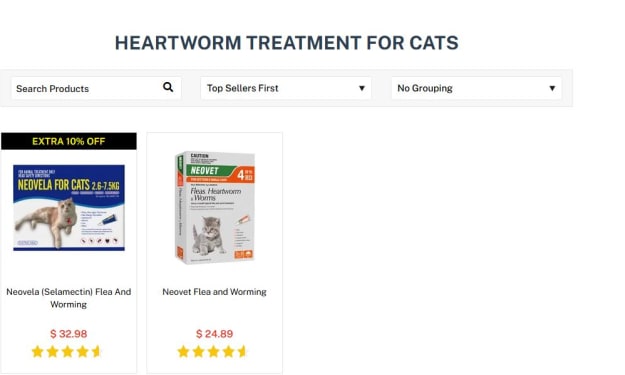
Heartworm disease in cats may not be as common as in dogs, but it’s just as dangerous—sometimes even more. Caused by a parasite called Dirofilaria immitis, heartworms live in the heart, lungs, and blood vessels, creating severe health issues. Unlike dogs, cats aren’t natural hosts, which makes their condition unpredictable and often harder to treat. Check heartworm treatment for cats!
By Thomas Muller5 months ago in Petlife
MY CREW
shared affection. "Welcome home, my boys," I murmured, my voice thick with emotion, as I watched you two navigate your burgeoning friendship. The late afternoon sun cast long shadows across the living room, illuminating the dust motes dancing in the air, and for the first time in a long time, my heart felt truly, completely at ease. The journey from the ache of loss to this vibrant, hopeful present had been unexpected, profound, and undeniably beautiful, all thanks to the silent language of love spoken by these magnificent creatures who had found their way into my life.
By Vera Myles5 days ago in Petlife
Pearl
1980 something. we all hung out at Pearl and you and i were nothing special, or so i thought. i mean we all danced, drenched in our own sweat, our own saline solution of fear, too many beers, shots, laughter, tears, fucks in the bathroom and i don't know when we began to be afraid. do you?
By ROCK aka Andrea Polla (Simmons)3 days ago in Fiction



Comments
There are no comments for this story
Be the first to respond and start the conversation.