
Can Professional Dog Training Transform an Aggressive Dog?
A Complete Guide to Managing Canine Aggression

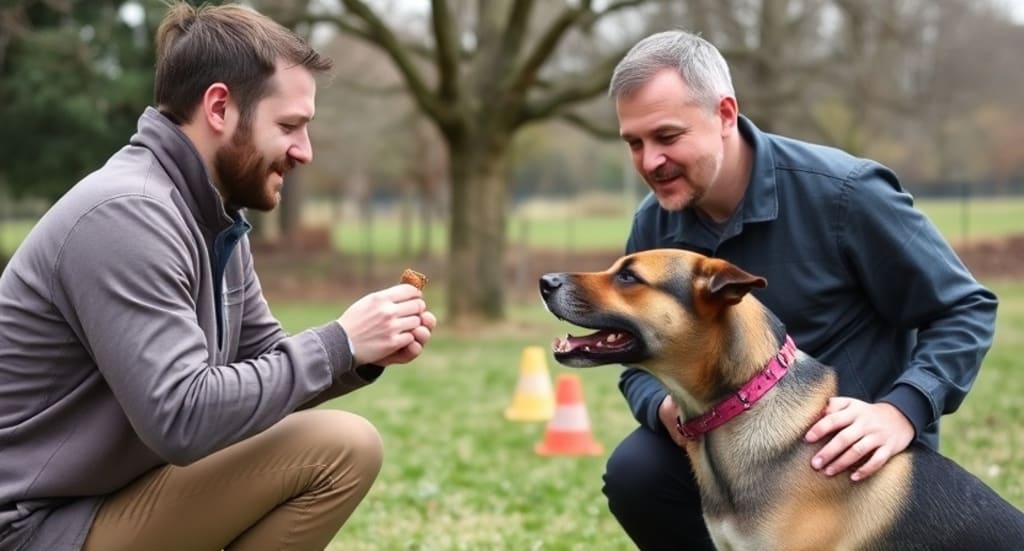
Does your heart sink every time your dog lunges at another dog during walks? Or perhaps you've noticed your furry friend showing signs of aggression toward strangers? You're not alone. Many pet parents grapple with dog aggression, but there's hope: proper training can make a remarkable difference in managing and reducing aggressive behaviors.
Understanding the Root of Dog Aggression
Before diving into how training can help, it's crucial to understand that aggression isn't just "bad behavior." Dogs may show aggression for various reasons:
- Fear and anxiety
- Resource guarding
- Territorial behavior
- Past trauma or lack of socialization
- Medical conditions causing discomfort
- Protective instincts
How Professional Dog Training Addresses Aggressive Behavior
Professional dog training offers a structured approach to managing aggression through:
1. Proper Assessment and Behavior Modification
A qualified dog trainer will first evaluate your dog's triggers and the type of aggression they're displaying. This assessment helps create a tailored training program that addresses your dog's specific needs. Through positive reinforcement techniques, trainers can help:
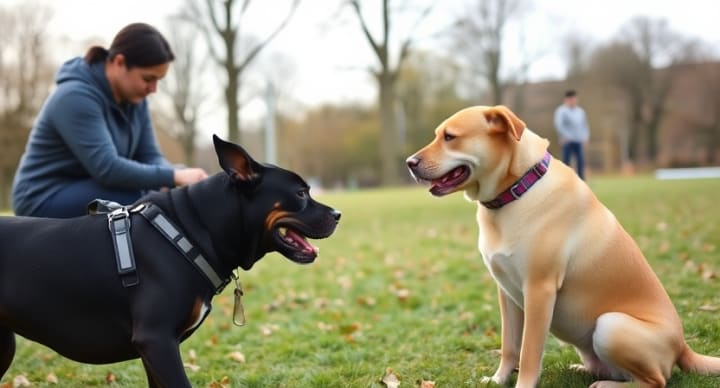
- Reduce reactive behaviors
- Build confidence in fearful dogs
- Establish clear boundaries
- Improve impulse control
2. Owner Education and Guidance
Success in managing dog aggression isn't just about training the dog – it's about training the owner too. Professional trainers provide:
- Handling techniques for difficult situations
- Recognition of warning signs
- Prevention strategies
- Consistent command training
Discover proven methods for managing aggressive behavior in dogs with our guide on Effective Dog Obedience Training for Aggression: Transform Your Aggressive Pooch
The Science Behind Training Aggressive Dogs
Research shows that positive reinforcement-based training methods are most effective in addressing aggression. These methods:
- Reduce stress and anxiety
- Build trust between dog and owner
- Create positive associations with triggers
- Strengthen the human-animal bond
Real-World Training Techniques That Work
Counter-Conditioning
This proven method involves changing your dog's emotional response to triggers by associating them with positive experiences. For example, if your dog becomes aggressive when seeing other dogs, a trainer might work on:
- Creating distance-based training protocols
- Using high-value treats during exposure
- Gradually decreasing the distance to triggers
- Teaching alternative behaviors
Desensitization
This technique involves gradually exposing your dog to their triggers in a controlled environment, helping them learn to remain calm. The process includes:
- Starting with low-intensity versions of triggers
- Progressing at the dog's pace
- Maintaining a positive training environment
- Celebrating small victories
When to Seek Professional Help
While some minor behavioral issues can be addressed through basic training, aggressive behavior often requires professional intervention. Consider working with a professional trainer when:
- Basic training attempts haven't worked
- The aggression is getting worse
- You feel unsafe managing your dog
- Your dog has bitten someone
- The aggressive behavior is unpredictable
"Does your heart sink every time your dog lunges at another dog during walks? Or perhaps you've noticed your furry friend showing signs of aggression toward strangers? You're not alone. Many pet parents grapple with dog aggression, but there's hope: proper training can make a remarkable difference in managing and reducing aggressive behaviors."
The Role of Consistency in Training Success
Training an aggressive dog requires patience and consistency. Success depends on:
- Following the training plan precisely
- Regular practice sessions
- Maintaining boundaries
- Avoiding punishment-based methods
Prevention: The Best Approach
While training can help with existing aggression, prevention is always better. Early socialization and proper training can help prevent aggressive behaviors from developing. This includes:
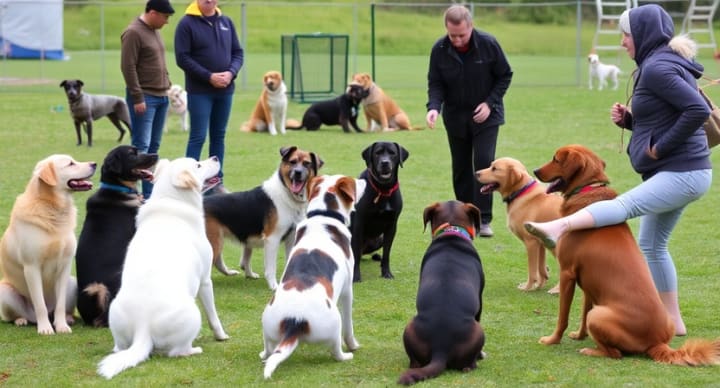
- Puppy socialization classes
- Early exposure to various situations
- Positive experiences with other dogs and people
- Basic obedience training
Conclusion
Can dog training help with aggression? Absolutely. With the right approach, professional guidance, and commitment to the process, many aggressive dogs can learn to manage their reactions and live happier, more balanced lives. Remember that every dog is unique, and while training may take time, the results are worth the effort.
If you're struggling with an aggressive dog, don't wait until the behavior escalates. Reach out to a certified professional dog trainer who specializes in aggression. The sooner you address the issue, the better the chances of successful behavior modification.
Looking to start your dog's journey to better behavior? Contact a professional trainer today and take the first step toward a more peaceful relationship with your furry friend.
About the Creator
Riya Das
Riya Das: Pet writer & enthusiast, offering expert insights on pet care, health, and training. A trusted authority in the pet niche, featured in top publications. Discover valuable tips for happy, healthy pets. Follow Riya now!
A Dart at Dusk
Seconds ago, the sullen sun set on the two of us… my exuberant furry companion and me. A fresh breeze embraces us, delivering welcome relief from the day’s oppressive heat. His typical stumbling and staggering along — apace with a sloth — has turned into trip-trapping, high-stepping, almost skipping along.
By Angie the Archivist 📚🪶2 days ago in Petlife



Comments
There are no comments for this story
Be the first to respond and start the conversation.