
Can Dogs Eat Melon?
2025 Vet-Approved Guide to Safe Feeding

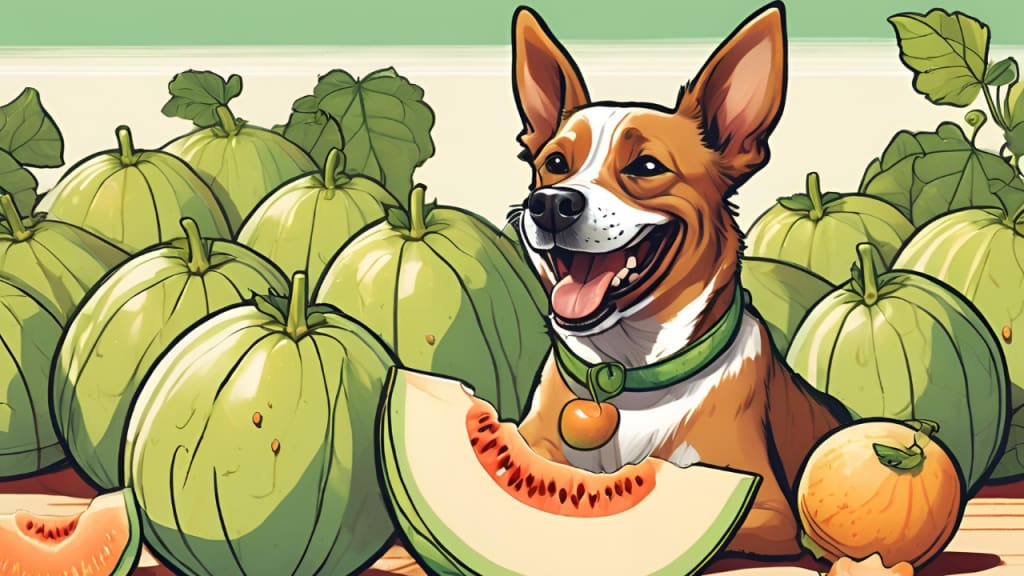
Can Dogs Eat Melon? Yes, dogs can eat melon, and it's a great refreshing treat for your furry friend. Melons pack 90% water content that helps keep your dog hydrated naturally, especially when temperatures soar.
Melons are a great way to get nutritional benefits with their fiber, vitamins A and C, potassium, and antioxidants. Your dog should enjoy them in moderation though. Sugar content reaches 7.8g per 100g, so you’ll need to watch portion sizes carefully to protect your dog’s health. This piece covers everything about feeding different melon varieties to your dog safely – from cantaloupe to honeydew. You’ll also learn the proper preparation methods that help avoid digestive problems.
Pet parents will be happy to know that most melons are perfectly safe for dogs to eat. Veterinary experts confirm that dogs can enjoy these juicy fruits safely, though you should take some basic precautions.
Which melons are safe to feed
Your dog can safely enjoy several melon varieties that provide unique health benefits:
Cantaloupe: This orange-fleshed melon provides dietary fiber, vitamins B6, A, and C, niacin, folate, and potassium.
Watermelon: This refreshing fruit packs potassium and vitamin C, plus vitamins A and B6.
Honeydew: The green melon delivers niacin, folate, potassium, and vitamins A, C, and B6.
Other varieties: Your dog can safely eat Casabas (Golden Beauty) and galias too.
Make sure to remove seeds and rind completely before giving any melon to your dog. The fleshy part gives your pet all the beneficial nutrients safely.
The good news is that no melon varieties will poison your dog. The ASPCA confirms honeydew melon’s safety for dogs, and this holds true for other melons too. This differs from fruits like grapes and cherries, which can harm dogs and should be avoided.In spite of that, some melon parts could cause problems:
Melon rinds might upset your dog’s stomach or cause blockages
Seeds could become choking hazards
Unwashed rinds might harbor bacteria like salmonella or listeria
Can dogs eat melon every day?
While melons are safe, they shouldn’t become your dog’s daily treat. These fruits contain high sugar levels (about 7.8g per 100g), making them unsuitable for everyday snacking.
All treats, including melons, should make up no more than 10% of your dog’s daily calories. A cup of diced watermelon contains 45.6 calories, so adjust your dog’s portions based on their size and dietary needs.
Some dogs should stay away from melons completely:
Diabetic dogs might experience blood sugar issues
Dogs carrying extra weight need healthier treats with less sugar
Talk to your vet before adding melon to your dog’s diet. Each dog has specific dietary requirements and possible sensitivities. Start with small amounts to check how your dog handles this new treat.
Types of Melon Dogs Can Eat (and How to Prepare Them)
Let’s look at which melons are safe for your furry friend to enjoy after proper preparation.
Can dogs eat cantaloupe melon?
Absolutely! Cantaloupe is safe and great for your dog. This orange-fleshed melon packs dietary fiber, vitamins B6, A, and C, niacin, folate, and potassium. The antioxidants in cantaloupe help capture free radicals that slow cell aging and might reduce disease risk. We found that cantaloupe’s high water content (about 90%) makes it perfect for hydration.
Can dogs eat honeydew and green melon?
Yes, your canine companion can safely eat honeydew melon. Like other melons, honeydew helps with hydration and contains vital micronutrients such as niacin, folate, potassium, and vitamins A, C, and B6. The fruit’s natural sweetness makes it a better choice than processed dog treats. The high sugar content means you should give them small amounts as occasional treats.
Dogs can safely eat Korean melon just like cantaloupe and honeydew. Korean melons need the same preparation as other melons – you must remove seeds and rind before serving.
Can dogs eat melon seeds or skin?
Definitely not! Seeds and rinds can cause major health issues:
Seeds: They aren’t toxic but can make dogs choke, especially smaller ones. Several seeds might block their intestines.
Rinds: Dogs can’t digest these tough, fibrous parts well. Rinds can upset their stomach, cause blockages, and might need surgery if they eat big pieces.
You can give your dog fresh, homemade melon juice without additives, but not much of either. The juice has the same nutrients as the fruit flesh (except fiber). Don’t give your dog store-bought melon juice – it usually has added sugars, preservatives, or artificial sweeteners that could harm them.
Make sure to clean all melons well before cutting. Even though your dog won’t eat the skin, bacteria can spread to the flesh.
Your dog can enjoy melon as a treat, but you need to control portions and prepare it right to avoid stomach problems. Here’s how you can safely add this refreshing treat to your dog’s diet.
How much melon is too much?
Moderation is key when giving treats to your dog. Melon and other treats should not exceed 10% of your dog’s daily caloric intake. Most dogs should only get a few small pieces now and then – not every day.
Your dog’s size determines the right portion:
Small dogs (Chihuahuas, Pugs, Yorkies): 2-3 one-inch cubes
Medium dogs (Beagles, Border Collies): 4-6 cubes, no more than twice a week
Large dogs (Labradors, German Shepherds): A handful of cubes
Start with smaller portions when you first give melon to see how your dog reacts. While melon has good nutrients, too much sugar and fiber can upset your dog’s stomach.
Best ways to cut and serve melon
You need to prepare melon carefully to keep your dog safe:
Wash really well – Bacteria can move from the skin to the flesh when you cut it
Take out all seeds and rind – These can make your dog choke or cause blockages
Cut pieces to fit your dog’s size – Make small, bite-sized cubes
Try these serving ideas:
Fresh cubes (keeps it simple)
Slightly frozen pieces on hot days (don’t freeze solid – it could hurt their teeth)
Mix with other safe fruits for something different
Signs of overfeeding or intolerance
Look out for these warning signs after your dog eats melon:
Swollen or painful belly
Unusual restlessness or tiredness
Loss of appetite
Vomiting or diarrhea
Itchy skin, rashes, or hives (might mean they’re allergic)
Your dog’s reaction tells you a lot about how well they handle melon. Cut back or stop giving melon if you notice anything wrong. Call your vet right away if you see serious reactions like face swelling or breathing problems.
The best way to add this hydrating treat to your dog’s diet is to start slow and watch how they respond.
About the Creator
Peter Ahn
DoggyZine.com provides unique articles. Health, Behavior, Life Style, Nutrition, Toys and Training for dog owners.
Cleo's First Puppy Show
"How would you feel about doing the Corsicana show in November?" Kathleen asked me last September. Dog exhibitors speak in shorthand that way. It's easier to say "the Corsicana show" than it is to say the "North East Texas American Eskimo Dog Association Show." And yes, "North East." I guess "Northeast" shortened the name too much for some people's taste . . . But I digress. In response, I asked two of the three important questions that every exhibitor thinks, first thing.
By Kimberly J Egan9 days ago in Petlife
Can My Puppy Have CBD Treats? A Guide to Safe Introduction and Benefits
Bringing a puppy home is an exciting milestone filled with playful moments, training challenges, and constant learning—for both you and your new companion. As a responsible pet parent, you want to give your puppy the best possible start in life, which often leads to questions about supplements, calming aids, and overall wellness support. One topic gaining attention is the use of CBD treats for puppies and whether they can be introduced safely during early development.
By CBD Dog Health6 days ago in Petlife




Comments
There are no comments for this story
Be the first to respond and start the conversation.