
Building Stronger Bonds Between You and Your Pets
Petslife

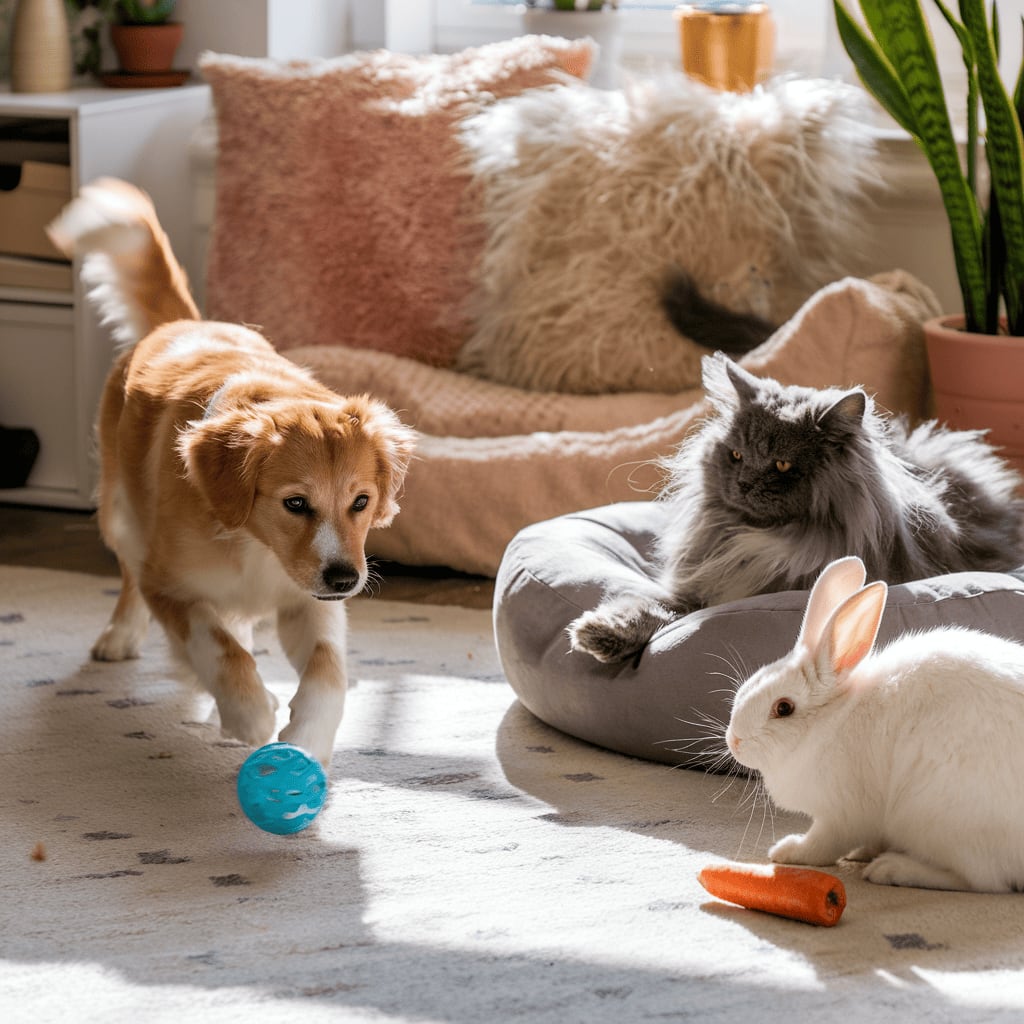
Our pets are more than just animals—they are family members who bring joy, comfort, and companionship into our lives. Whether you have a playful dog, a curious cat, or even a small furry friend like a rabbit or guinea pig, nurturing a strong bond with your pet can lead to a deeper, more fulfilling relationship.
But building that bond takes time, patience, and intentional effort. Healthy guides to pets can provide you with useful tips and natural methods to enhance your connection with your furry friend.
If you’re looking to create a stronger connection with your pet, here are some key tips and strategies to help you along the way.
Spend Quality Time Together
Pets, like humans, thrive on companionship and interaction. The more time you spend with them, the stronger your bond will become.
For dogs, daily walks, playtime, and dog training sessions are great opportunities to engage both mentally and physically. Cats, on the other hand, may enjoy interactive play with toys or simply curling up on your lap for quiet time.
Even small animals like rabbits and guinea pigs benefit from regular interaction, such as hand-feeding or allowing them to explore their environment under your watchful eye.
Quality time doesn’t always need to be active or play-focused—it can also include calm moments like watching TV together or sitting next to each other while reading. The more present you are in their lives, the more they’ll come to trust and bond with you.
Use Positive Reinforcement
Building a bond with your pet is about communication, and positive reinforcement is one of the most powerful tools at your disposal. When your pet behaves well or shows affection, reward them with treats, praise, or extra attention. This encourages them to repeat those positive behaviors, which strengthens their connection to you.
For example, if your dog follows a command like "sit" or "stay," reward them immediately with a treat and affection. For cats, a simple clicker training system can be used to reinforce behaviors, whether it’s responding to their name or using the litter box.
Positive reinforcement builds trust and helps your pet understand what you expect, leading to a more cooperative and affectionate relationship.
Understand Their Body Language
Every pet has its own way of communicating, and understanding these signals is key to strengthening your bond. Animals don’t always express themselves verbally, so observing their body language is crucial to knowing when they’re happy, stressed, or seeking attention.
Dogs often communicate with tail wagging, ear positioning, and facial expressions. A wagging tail can mean excitement, but a tucked tail might indicate fear or anxiety. Similarly, cats use their tails, ears, and whiskers to convey emotions.
A raised tail usually signals confidence or friendliness, while a twitching tail might indicate irritation or overstimulation.
The more attuned you are to your pet's body language, the better you’ll be at responding to their needs and creating a safe, trusting environment.
Create a Safe and Comfortable Environment
Pets, like humans, need a sense of safety and security in their environment to thrive. Ensure that your home is pet-friendly and offers them a space where they can retreat and relax when needed. This could be a cozy bed for your dog or cat, a safe play area for smaller animals, or a designated corner with scratching posts or toys.
Consistency is also important—keeping a routine for feeding, playtime, and quiet time can help your pet feel more secure. Pets tend to be creatures of habit, and knowing what to expect from their environment builds trust and comfort.
Train Your Pet with Patience and Consistency
Training is an essential part of building a stronger bond with your pet, as it helps both of you understand each other’s needs and expectations. Whether you're teaching a puppy to sit or a kitten to use the litter box, patience is key.
Positive, consistent training fosters respect and trust between you and your pet, and it also helps with behavior problems.
Remember that training doesn’t have to be formal or stressful. Make it fun and rewarding for both you and your pet. Short training sessions followed by play or cuddles can make learning enjoyable while reinforcing the bond between you.
Respect Their Boundaries
Every pet has their own preferences when it comes to physical contact and personal space. Some animals love being held and cuddled, while others may prefer to keep their distance. Respecting their boundaries is crucial in developing a trusting relationship.
For instance, if your cat seems agitated or pulls away when you try to pet them, it’s important to give them space and allow them to come to you when they’re ready.
With dogs, some breeds may enjoy lots of affection, while others may need more time to warm up. Learning to read their signals and respecting their needs helps ensure that they feel comfortable around you.
Engage in Fun and Stimulating Activities
Enrichment activities not only provide physical exercise for your pet but also mental stimulation, which strengthens your relationship. Puzzle toys, scent games, and interactive play are all great ways to engage your pet’s mind and provide them with the challenge they crave.
For dogs, playing fetch or teaching new tricks can be a fun bonding activity, while cats might enjoy hunting for treats hidden around the house or chasing feather toys.
Even small animals, such as hamsters or guinea pigs, benefit from exploring new tunnels or mazes. These activities help your pet stay mentally sharp while giving you both the opportunity to bond.
Be Patient and Consistent
Building a strong bond with your pet is not something that happens overnight. It takes time, patience, and consistency. Some pets may take longer to warm up or trust you, especially if they’ve had previous negative experiences or were adopted from shelters.
Consistency in your actions—whether it's feeding them at the same time each day, providing regular playtime, or reinforcing training—helps your pet feel secure and loved. Over time, they will come to see you as a reliable source of care and affection, which strengthens your emotional connection.
Health and Well-being
A healthy pet is a happy pet, and taking care of your pet’s physical health plays a big role in your relationship. Regular veterinary check-ups, proper nutrition, grooming, and exercise are all important factors in keeping your pet healthy and ensuring a long, happy life together.
When your pet feels good physically, they are more likely to engage with you and enjoy spending time with you. Additionally, by providing excellent care and attention, you show your pet that you are their trusted protector, which deepens the emotional bond.
Conclusion
Building a strong bond with your pet requires time, effort, and mutual understanding. The more you invest in your relationship through quality time, positive reinforcement, patience, and respect, the more you’ll deepen your connection.
Remember, every pet is unique, and it’s important to be attentive to their needs and preferences. With dedication and love, you and your pet can create a lifelong bond that brings joy, comfort, and unconditional love.
By making these small yet meaningful changes in your daily routine, you’ll not only improve your pet's life but also enrich your own, creating a partnership based on trust, affection, and shared happiness.
About the Creator
Home Pets Advisor
Your Trusted Guide to Happy and Healthy Pets!
Keep reading
More stories from writers in Petlife and other communities.
A Dart at Dusk
Seconds ago, the sullen sun set on the two of us… my exuberant furry companion and me. A fresh breeze embraces us, delivering welcome relief from the day’s oppressive heat. His typical stumbling and staggering along — apace with a sloth — has turned into trip-trapping, high-stepping, almost skipping along.
By Angie the Archivist 📚🪶6 days ago in Petlife
Why Puppies Get Attached So Quickly
The Fascinating Science Behind Puppy Bonding—and How Their Fast Attachment Shapes Lifelong Relationships --- You walk through the door after a long day. Before you even take off your coat, a tiny, wiggling puppy comes running, tail wagging, eyes shining, and jumps into your arms as if you’ve been gone for a year.
By Ahmed aldeabella4 days ago in Petlife


Comments
There are no comments for this story
Be the first to respond and start the conversation.