
Best Ways to Train Your Puppy: A Guide for New Dog Parents
Are you a new dog parent? Are you looking for tips on how to best train your puppy? Training your pup is one of the most important things you can do as a responsible dog owner.

Best Ways to Train Your Puppy: A Guide for New Dog Parents
Are you a new dog parent? Are you looking for tips on how to best train your puppy? Training your pup is one of the most important things you can do as a responsible dog owner. It’s also one of the most rewarding aspects of dog ownership. Training your puppy doesn’t have to be difficult or overwhelming. In this guide, we’ll cover some of the best ways to train your puppy and provide tips for making the process easier. From using positive reinforcement to establishing boundaries, you’ll find plenty of helpful advice for training your pup. Click Here
Start Early
One of the best pieces of advice when it comes to training your puppy is to start early. This means that as soon as you bring your new pup home, you should begin setting up basic rules and boundaries, as well as engaging in activities that will help the pup learn important lessons about living with humans. Training a puppy should be viewed as a long-term commitment - it won't happen overnight and will take lots of patience and consistency. However, starting early will give you the best chance for success.
By beginning your training program as soon as possible, you can more easily establish good habits for your puppy and minimize undesirable behaviors. Early training also helps to build a bond between you and your pup, allowing you to learn more about each other and creating a positive relationship. It is important to keep in mind that puppies can become frustrated quickly and have very short attention spans, so make sure to keep your training sessions short and sweet, no longer than 10 minutes at a time. This will help keep them engaged and interested in learning.
Set Rules and Boundaries
When it comes to training your puppy, it’s important to set rules and boundaries from the beginning. This will help your puppy learn quickly, as well as help establish an understanding of what is and isn’t acceptable behavior.
One way to do this is to limit the areas of your home where your puppy can explore. Dogs are naturally curious creatures and will want to check out every corner of your house if you let them. By limiting access to certain rooms or areas, you can help teach your pup that some places are off limits.
It’s also important to establish specific rules about where your pup can go potty. Whether you have a backyard or are living in an apartment, it’s essential to make sure your puppy knows where it should do its business. Establishing a designated spot for your puppy to use the bathroom will help with the housetraining process.
Additionally, be sure to establish rules about when and where your puppy can bark. Though barking is normal dog behavior, it can be disruptive and annoying if it happens too often or at inappropriate times. Set expectations around barking before any unwanted habits develop.
By setting up clear rules and boundaries right away, you’ll be able to more easily train your puppy and avoid any potential misunderstandings.
socialize Your Puppy
Socializing your puppy is a crucial part of raising a well-rounded and obedient dog. It’s important to start socializing your pup at an early age, ideally as soon as you bring them home. This will help them get used to different people, animals, environments, and situations.
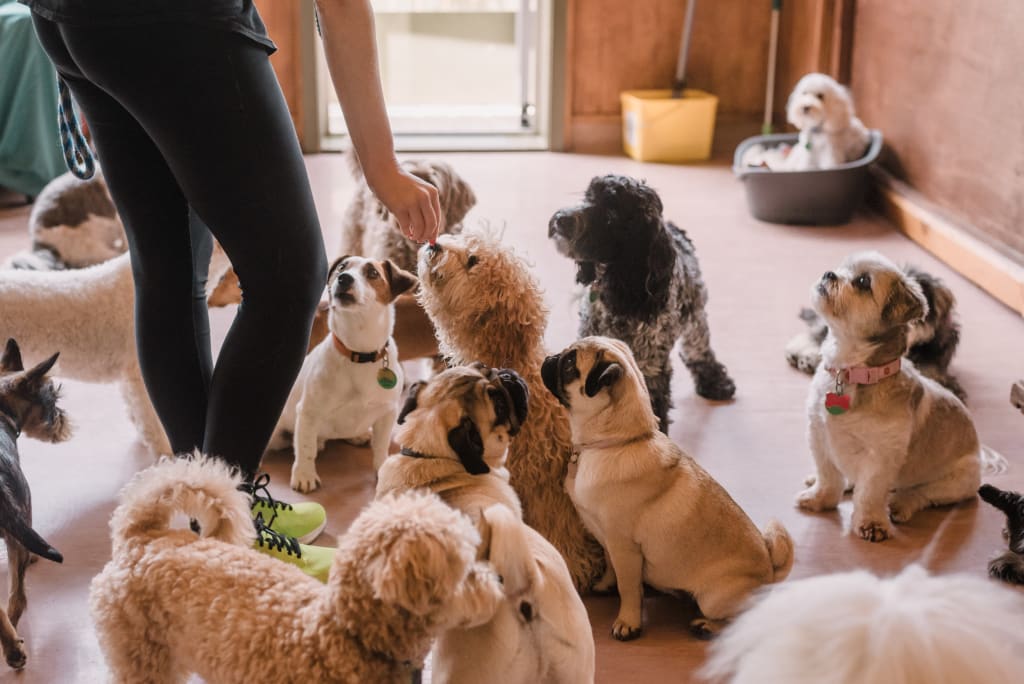
Start by introducing your pup to other dogs and people in a calm, controlled environment. A puppy playgroup or puppy classes can be a great way for your pup to meet new people and other puppies their own age. This will help them learn proper socialization skills like greeting people politely and playing appropriately with other dogs.
When introducing your pup to new people, it’s important to keep the interactions positive. Make sure that everyone has treats on hand and give them out generously when they interact with your pup. This will help create positive associations with meeting new people.
You should also take your pup out into different environments so they can get used to unfamiliar sights, smells, and sounds. Take them for walks around the neighborhood, or take them to the park or beach. These outings will help them become accustomed to the outside world and all its distractions.
It’s also important to expose your pup to a variety of surfaces and textures. Take them on grass, dirt, wood chips, pavement, and sand so they can get used to feeling different surfaces beneath their feet.
By taking the time to socialize your pup, you will be creating a well-rounded and confident dog who will be able to handle any situation calmly and obediently.
Crate Train Your Puppy
Crate training your puppy is an important part of the puppy-parenting process. It will help your pup develop a sense of security and structure, as well as help with housetraining. To start, get a crate that is just the right size for your pup. Make sure it’s not too small or too big and has enough room for your puppy to turn around and stretch out. Line the crate with comfortable bedding, toys, and treats.
Once you have the crate set up, start introducing your pup to it. Let your puppy explore the crate and reward them with a treat when they enter it. Make sure to keep the crate door open during this time so that the pup can go in and out freely.
Once your pup is comfortable going in and out of the crate, begin closing the door while they are inside and staying with them until they settle down. Over time, start leaving the room while they are in the crate, gradually increasing the amount of time they are left alone.
Never use the crate as punishment, and make sure that there is always something in the crate that your puppy can find comfort in. Crate training takes time and patience, but it is worth it in the end!
housetraining Your Puppy
One of the most important skills you will need to teach your puppy is housetraining. It can take some time and patience, but it is an essential part of dog ownership.
The first step in housetraining your puppy is to establish a routine. This should include a regular schedule for taking your puppy outside to do its business. Generally, puppies should be taken out every two hours and immediately after waking, eating, or playing. Take your puppy to the same spot each time and use positive reinforcement such as treats and praise when they go in the right spot.
When accidents do occur, it’s important to stay calm and not scold your pup. Simply clean up the mess with an enzymatic cleaner and don’t forget to praise them when they go in the right spot.
In addition to establishing a routine, there are some other helpful tips for housetraining your pup. Confine your puppy to a small area such as a crate or small room until they learn proper housetraining habits. Put down puppy pads or newspaper in this area as well. As your puppy gets used to the routine and begins to recognize that going inside is not acceptable, gradually increase the size of the area they have access to.
Finally, remain consistent and patient with your pup. It may take several weeks or months before they become fully housetrained. With patience and consistency, your pup will eventually learn that going inside is not acceptable and going outside is the preferred spot.
Basic Obedience Training
Basic obedience training is an important part of owning a puppy. With the right techniques, you can teach your pup how to be a well-behaved companion. Here are some tips for basic obedience training with your new pup.
Start with basic commands like “sit”, “stay”, and “come”. Use positive reinforcement like treats or praise when your puppy responds correctly. Keep the training sessions short, but consistent - around 10-15 minutes per day.
Reward good behavior with treats, playtime, or verbal praise. Avoid punishing your puppy as this could lead to fear and aggression. Instead, redirect bad behavior and reward good behavior.
Teach your pup basic behaviors such as walking on a leash, coming when called, and going to his bed on command. This will help ensure your pup stays safe when out on walks and helps build a bond between you and your pup.
Practice commands at home and in different environments to ensure that your pup is well-behaved in all settings. Socialize your pup with other dogs and people to help him learn how to interact in public.
Finally, keep in mind that basic obedience training should be fun for both you and your pup. With patience, consistency, and rewards for good behavior, you can train your pup to be a well-mannered canine companion.
About the Creator
Car Community
high quality car stories , everything you should know about every car ever made.
Keep reading
More stories from Car Community and writers in Petlife and other communities.
How to Train Your Puppy Without Losing Your Sanity
How to Train Your Puppy Without Losing Your Sanity Are you the proud new owner of a puppy? Congratulations! Training your puppy can be a fun and rewarding experience for both you and your furry friend, but it can also be overwhelming and exhausting if you don’t know what you’re doing. Don’t worry, we’re here to help. In this blog post, we’ll provide you with some tried-and-true tips and advice on how to train your puppy without losing your sanity. Click Here For More
By Car Community3 years ago in Petlife
A Dart at Dusk
Seconds ago, the sullen sun set on the two of us… my exuberant furry companion and me. A fresh breeze embraces us, delivering welcome relief from the day’s oppressive heat. His typical stumbling and staggering along — apace with a sloth — has turned into trip-trapping, high-stepping, almost skipping along.
By Angie the Archivist 📚🪶7 days ago in Petlife


Comments