
Ask Dog Trainer: Tips For Dogs who don't listen
Tired of your dog ignoring you? This guide breaks down how to build focus and obedience through calm, structure, and everyday training moments.
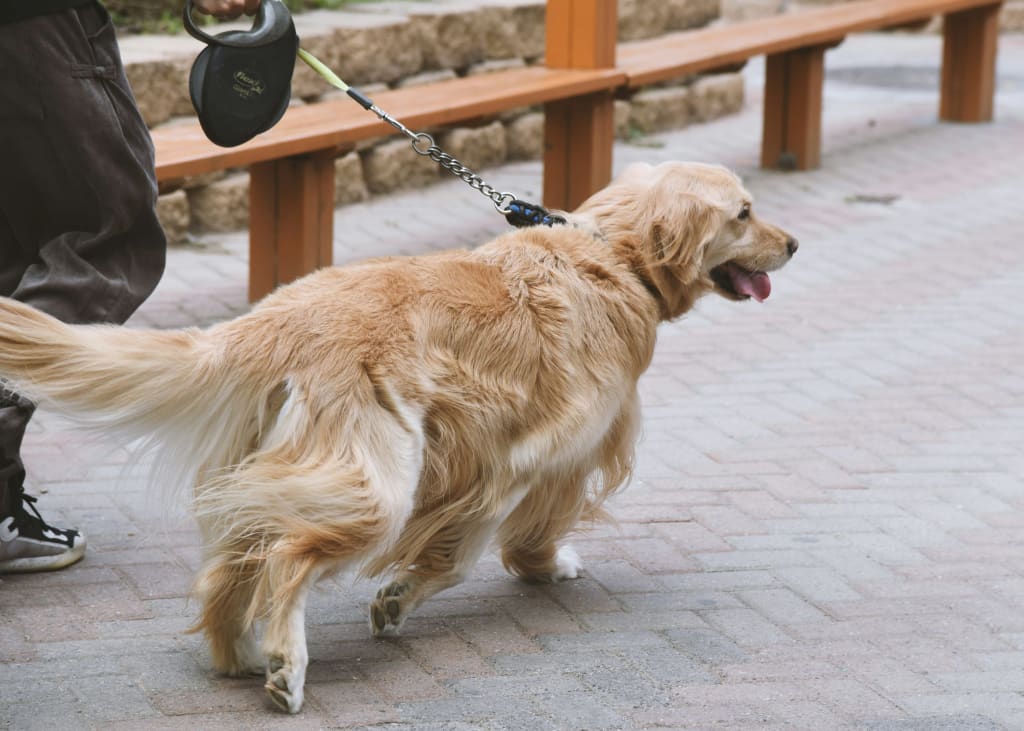
When we get a pup, we all imagine cozy cuddles, tons of pictures, and active walks. And, sooner or later, we hit the wall of realization: our new dog just doesn't care.
You’ve tried treat training, the cheerful voice, and the firm commands. And still, your pup listens… sometimes. It turns out that basic commands, bribery, and punishment don't work. You need calm, structure, and consistent training. Let’s walk through how real obedience is built: from the ground up.
How Do Dogs Learn?
Pet parents tend to think that dogs learn in the same way that we do. However, dogs can't reflect on past mistakes or think about the future. They live in the moment. A study in Frontiers in Psychology magazine found that dogs are amazing readers of people to see whether their behavior is good or bad. That's why the training process should revolve around timing, clarity, and consistency.
A dog’s behavior is shaped by what gets results immediately. If jumping on guests gets attention, it’ll keep happening. If sitting quietly earns a reward, that becomes the new pattern.
The key is to teach your dog which actions lead to the desired outcomes and repeat that structure every day. Training isn’t about controlling your dog; it’s about showing them what works and what doesn’t in a language they can understand.
Should You Use Positive Reinforcement?
You’ve probably heard trainers talk a lot about positive reinforcement and maybe even mention negative reinforcement. But what do those terms actually mean for your pup?
Positive reinforcement training means adding something your dog likes to increase a behavior. It can be a verbal cue like "good job" or a food item like a favorite treat.
Negative reinforcement means removing something unpleasant when your dog behaves the way you want. For example, you might apply leash pressure until your dog sits, then release it. They learn that sitting equals pressure going away.
One teaches with clarity and reward. The other teaches with discomfort and relief. Dogs trained with negative reinforcement may even obey, but often with hesitation, stress signals, or fear-based compliance. They’re obeying to avoid something, not because they understand or enjoy the training process.
On the other hand, positive reinforcement doesn't mean bribing your dogs with treats. It creates willing learners who are looking forward to training and not just obedient pets. But remember: timing is everything. Reward too late, and you might reinforce the wrong behavior.
When done right, positive reinforcement techniques:
- Builds trust and a strong bond
- Encourages your dog to offer desired behavior on their own
- Reduces anxiety and resistance during new or challenging tasks
- Makes learning feel like a game, not a chore
Essential Dog Training Tools
There are many things out there that can help your furry friend enter the good behavior era. Fancy harnesses, high-tech collars, and treat puzzles with five-step instructions may overwhelm your puppy at first, but they may also overwhelm you.
The truth is, you don’t need much to get real results. What you do need are a few essential dog training tools that support clear communication, proper timing, and calm structure.
After asking dog experts online, we gathered a list of tools PawChamp dog training specialists recommend:
- A clicker. Clicker training helps your dog understand what behavior earned the reward. If you don’t use a clicker, a consistent, excited “yes” works too.
- Treats. A dog's behavior is tied to food motivation, so using high-value treats to immediately reinforce good things is a must.
- Long and short leash. Both have their place in proper training. A short one is perfect for focused training sessions or heelwork. A long leash, or as many call it, a long line, gives your dog room to move while staying connected to you. It works nicely for recall or distance.
- A crate or a dog bed. Every pet needs a safe space to call their own.
What a Successful Dog Training Session Looks Like
Okay, you've got everything: a dog, lots of tools, and treats. Now what? The best strategy is to integrate training sessions into your daily life. Five minutes before a walk or a meal will make a big difference. Your dog learns better in quick bursts, not long drills.
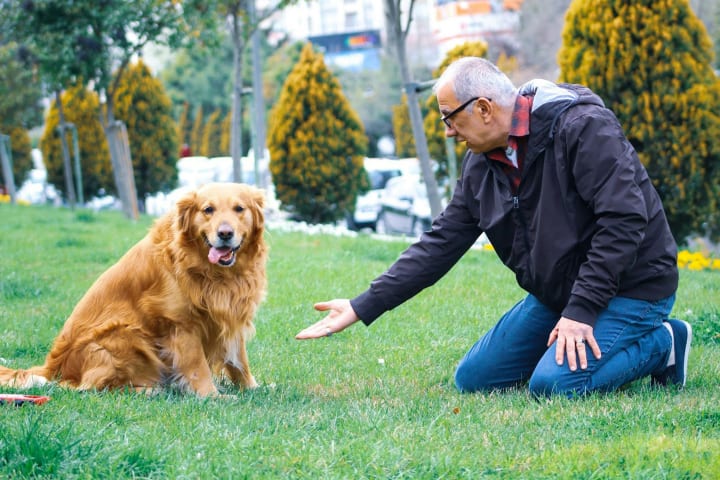
Here’s what success looks like:
- Pick one skill to practice
- Use a clear cue and mark the desired behavior immediately
- Reward with small treats
- Keep distractions low, especially in the beginning
- End on a win and walk away while your dog’s still engaged
Basic Puppy Training Foundations
Before your dog can listen, they need to be calm enough to notice you. This is where many pet parents get stuck. The dog knows all new tricks, like sit, stay, and even come, but they don’t respond in a new environment. Not because they are stubborn, but because they are overstimulated, distracted, or simply too hyped to think clearly.
For a new puppy, calm training is even more important than commands. It teaches them how to regulate their own energy, which is essential for a dog's attention in the future.
Start by noticing and rewarding the calm moments, not just the commands. When your dog settles on its own, let them know they're doing great. If they glance up and make eye contact, give a treat. Instead of rushing through your walk, slow down and use that time to pay undivided attention to each other. In a little while, you will notice a positive change.
Adult Dogs Training Tips
A lot of adult dogs already know the basics. If your furry friend knows a command but ignores it in real situations, the problem is lack of focus. They’re too distracted to follow through.
Here’s what to do:
- Teach a clear “look at me” command to get your dog’s attention before saying anything else.
- Always use the same hand signal with your verbal cue to increase clarity.
- Practice inside first, then gradually move outside, with more noise, movement, and smells.
- Don’t repeat commands. Say them once. If your dog doesn’t respond, get their attention back, then try again.
- Don’t skip this step. These moments might seem monotonous and unnecessary. But when your dog chooses to look at you instead of barking, pulling, or freezing, that's where absolute obedience is born.
How to Build Obedience Into Everyday Life
Obedience doesn’t come from more practice. It comes from more moments. Every walk, every mealtime, and every time your dog wants attention is a chance to reinforce good behavior. The end goal is to achieve habit obedience that happens "on its own."
We spoke to a PawChamp dog trainer to get some ideas on how to make these invisible short training sessions a part of your day. Turns out it fits naturally into the schedule:
- Ask for a sit before meals, walks, or play
- Use “wait” at doors, crosswalks, and stairs
- Reward your dog for staying calm when you’re working or on the phone
- Redirect unwanted behaviors to something you do want
- Use their own place as a reset space, not a punishment
Important things like these matter in the long run. Thus, you want to think and act strategically to turn your puppy into a life companion rather than a hot mess.
Troubleshooting Behavior Problems
Even with calm training, the right tools, and a solid routine, some dogs still struggle. That’s normal. Every dog is different — some are more sensitive, some are more easily overstimulated, and others might come with habits that take time to unlearn.
If things still aren’t clicking, take a breath and simplify. Try shorter sessions in a calmer space, and break things down into smaller steps. Don’t worry about perfection. Getting your dog’s attention is enough for starters.
And if you’re feeling stuck, you’re not alone. Even experienced dog parents hit roadblocks. Sometimes all it takes is one minor tweak in the right moment. A good idea is to use a free PawChamp ask dog experts service. It’s instant, friendly, and might be just what you need to move forward. PawChamp offers daily guidance for both new puppy owners and those working with older, reactive dogs.
Final Thoughts
If your dog doesn’t listen right now, it doesn’t mean they’re stubborn, broken, or untrainable. It means they haven’t yet learned how to stay calm, focus on you, and respond in real time.
The good news? Every dog can learn this. You need to orient yourself for structure, timing, and calm, consistent practice. Your dog will start to choose you, not just when it’s easy but when you need it.
Dog training process is not about being perfect. It’s about showing up every day and helping your pooch figure it out, one small win at a time.
About the Creator
Keep reading
More stories from Susan Scava and writers in Petlife and other communities.
Pet Relocation: UAE to US and US to UAE – A Complete Guide
Moving with your pet can be a stressful experience, but with proper planning and professional assistance, you can ensure a smooth transition for your furry friend. Whether you're relocating from the UAE to the US or from the US to the UAE, understanding the regulations, requirements, and best practices is essential.
By Susan Scava11 months ago in Petlife
The Gourmet Grumble: Navigating Life with Dog Breeds That Are Picky Eaters
We’ve all seen the commercials: a happy Golden Retriever hears a kibble bag crinkle from three rooms away, skids across the hardwood floor, and inhales a bowl of dry food in approximately four seconds. It’s the universal image of canine appetite.
By MINNIE PEARL’S LIVER LEAVIN’S2 days ago in Petlife




Comments (1)
Training my dog was tough at first. Consistency and positive reinforcement really made a difference.