
Are “Compostable” Pet Products Actually Compostable?
Sustainability labels have become a familiar part of everyday shopping. From food packaging to household goods, words like eco-friendly, biodegradable, and compostable appear everywhere.


In the world of pet care, these labels are especially prominent. Compostable dog waste bags, compostable treat packaging, and compostable pet accessories are now widely available and often marketed as simple solutions to environmental concerns.
However, the term compostable carries assumptions that do not always match reality. In practice, many compostable pet products fail to break down in the way consumers expect. The problem is not always the material itself, but the conditions required for composting and the systems available to handle pet-related waste.
Understanding whether compostable pet products truly deliver environmental benefits requires looking beyond packaging claims and examining how composting actually works.
What “Compostable” Is Supposed to Mean
In technical terms, a compostable product should break down into natural components — water, carbon dioxide, and organic matter — within a defined period, without leaving toxic residue. This process depends on heat, oxygen, moisture, and microbial activity working together consistently.
Most compostable certifications assume access to industrial composting facilities, where temperatures remain high enough for long enough to safely process organic materials. These facilities can manage controlled conditions that home composting systems simply cannot replicate.
The distinction between industrial composting and home composting is where many misunderstandings begin.
Home Composting vs Industrial Composting
Home compost bins vary widely in temperature and microbial activity. Even well-maintained systems rarely sustain the heat required to break down many compostable plastics or biopolymers. As a result, items labelled compostable may remain largely intact when placed in garden compost.
Industrial composting facilities operate very differently. They maintain high temperatures over extended periods, allowing certified materials to decompose fully. Unfortunately, access to these facilities is limited, and many councils explicitly exclude pet-related waste from accepted streams.
When compostable pet products cannot enter appropriate composting systems, their environmental benefit becomes theoretical rather than practical.
The Complication of Pet Waste
Pet waste introduces an additional layer of complexity. Dog and cat waste can contain pathogens that standard composting systems are not designed to neutralise. For this reason, many environmental agencies advise against composting pet waste at home.
Compostable dog waste bags illustrate this issue clearly. Although the bag itself may be certified compostable, the waste inside often prevents the item from being accepted into composting streams. Once sealed and sent to landfill, compostable materials break down slowly and may contribute to methane emissions instead of reducing environmental harm.
Compostable Packaging and Clean Materials
Not all compostable pet products involve waste contamination. Packaging for treats, toys, or accessories may remain clean and theoretically suitable for composting. Even then, the outcome depends on disposal options.
Without access to an industrial composting facility that accepts compostable packaging, these materials behave much like conventional plastics. They may fragment slowly or persist for years, undermining the environmental intent behind their design.
Green Labels and Consumer Expectations
Compostable labels often create a sense of reassurance. They suggest an easy solution to waste-related guilt. However, when disposal infrastructure does not support composting, these labels risk becoming a form of greenwashing — not always intentional, but still misleading.
In many cases, reducing consumption, choosing durable products, and avoiding unnecessary packaging offer more reliable environmental benefits than relying on compostable claims alone.
A Deeper Look at Compostable Pet Products
For those interested in a more detailed breakdown of how compostable pet products behave in real-world disposal systems, this long-form analysis provides a practical, non-promotional overview:
https://ecofurball.com/are-compostable-pet-products-actually-compostable/
It explores how materials, waste streams, and infrastructure interact — and why compostable does not always mean composted.
Why Systems Matter More Than Materials
The effectiveness of compostable products depends less on what they are made from and more on where they end up. Without the right systems in place, even well-designed materials fail to deliver environmental benefits.
This disconnect highlights a broader issue within sustainability marketing. Labels focus on product attributes, while real-world outcomes depend on disposal pathways that consumers cannot always control.
Rethinking “Compostable” as a Solution
Compostable pet products are not inherently ineffective. In the right conditions, they can reduce waste and environmental impact. The challenge lies in aligning product design with real-world disposal systems.
Until composting infrastructure evolves to accommodate pet-related materials more consistently, compostable labels should be treated as one factor among many — not a guarantee of sustainability.
Informed decision-making, reduced consumption, and realistic expectations remain the most reliable tools for environmentally responsible pet care.
About the Creator
Ecofurball
🌿 EcoFurball is your guide to eco-friendly pet products, sustainable care routines, and low-waste living for animals and their people.
🐾 Explore the full blog at EcoFurball.com for green pet tips, product reviews, and more.
Keep reading
More stories from Ecofurball and writers in Petlife and other communities.
The Hidden Environmental Footprint of Catnip: What Most Cat Owners Never Think About
Catnip seems low-impact at first glance. It’s hardy, drought-tolerant, and capable of thriving in places where fussier herbs would collapse. But how catnip is grown varies so widely that two similar-looking pouches can come from farming systems with completely different environmental footprints.
By Ecofurball3 months ago in Petlife
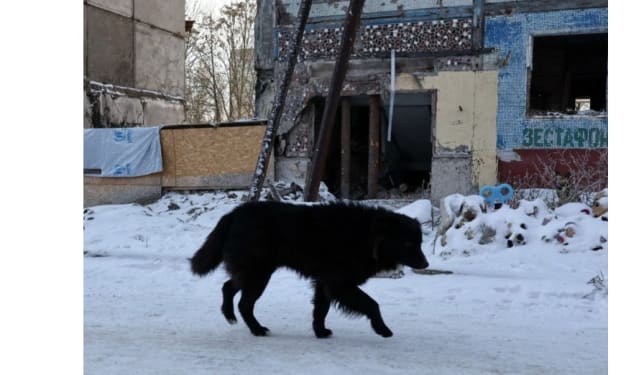
Dogs are reverse domesticated due to the conflict in Ukraine.
After months of continuous fighting, the surviving canines near Ukraine's front lines have clearly changed to resemble wolves in both appearance and behaviour. Their changed bodies demonstrate how characteristics formed by centuries of human friendship can be quickly erased by battle.
By Francis Dami6 days ago in Petlife



Comments
There are no comments for this story
Be the first to respond and start the conversation.