
Animal Home Names: Exploring Where Animals Live
Learn Animal Home Names

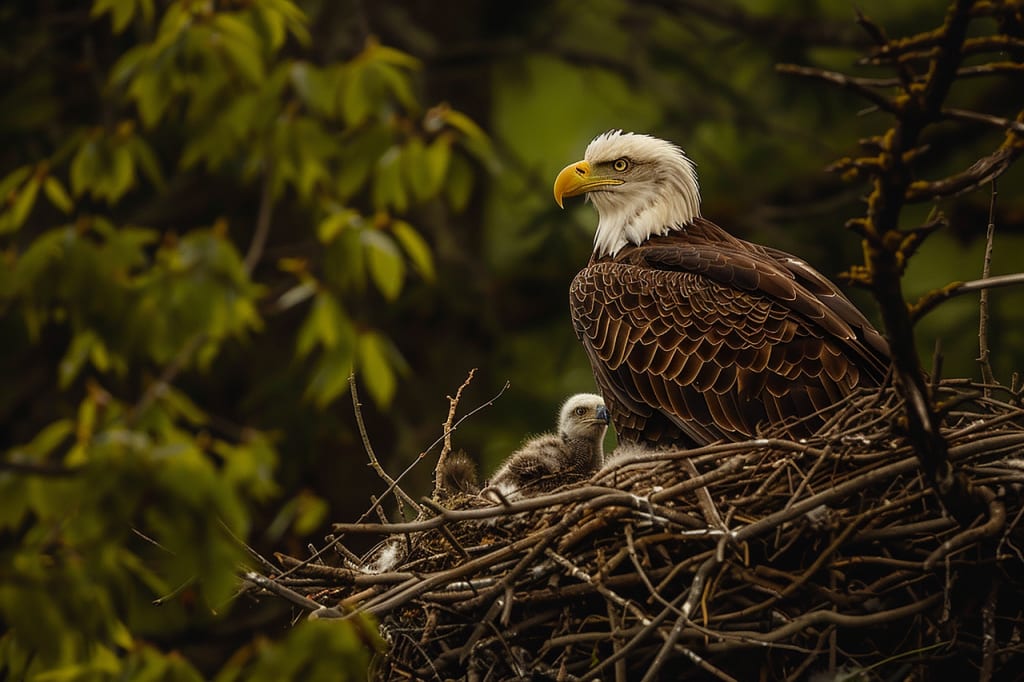
Animals, just like humans, need homes to stay safe, warm, and protected from the dangers of the world. These homes are not just for shelter; they play a critical role in helping animals rest, raise their young, and find food. In this article, we will explore the different types of animal homes, why they are important, and how animals build or find them. Let’s dive into the fascinating world of animal homes and discover how animals live.
Why Animal Homes Are Important
Protection from Weather and Predators
Animal homes are essential for keeping animals safe from the harsh conditions of nature. Whether it’s the scorching heat, freezing cold, or dangerous predators, a home offers shelter that protects animals from harm. For example, a bird’s nest in a tree can keep it safe from predators, while a bear’s den provides warmth during the winter months.
Resting and Raising Young
Animals also need homes to rest and sleep. After hunting, foraging, or other daily activities, animals need a safe place to relax and recover. Many animals also use their homes to raise their young. Birds build nests to protect their eggs and chicks, while beavers create lodges to keep their babies safe from predators.
Finding Food
Some animal homes help animals find food more easily. For instance, a beaver’s dam creates a pond, where it can find fish and plants to eat. Similarly, a spider’s web is used to catch insects, providing the spider with a constant source of food.
Different Types of Animal Homes
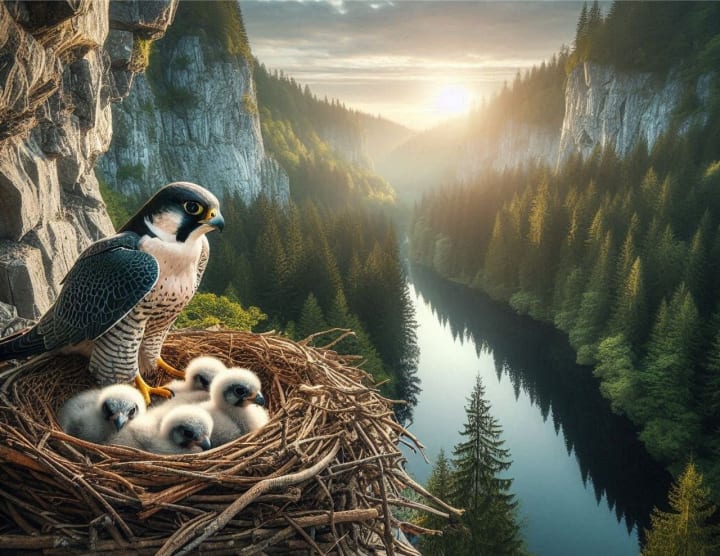
1. Nests
A nest is a place where birds, insects, and some mammals live. Birds, for example, weave nests in trees using twigs, grass, and feathers. The nest keeps their eggs safe and warm until they hatch. Nests can be found in many different places, like trees, bushes, or even on the ground. Other animals, like squirrels, also build nests to rest and raise their babies.
2. Burrows
A burrow is an underground home that animals like rabbits, moles, and prairie dogs dig to protect themselves from predators and to stay warm. These burrows can have many tunnels and rooms, providing the animals with shelter, food storage, and a safe place for their young.
3. Caves
Some animals, like bats and bears, live in caves. Caves offer protection from weather and predators. They are especially useful in places with cold winters, as they provide a safe, warm place for hibernation. Bats, for instance, hang upside down in caves to sleep and hide from predators.
4. Hives
Hives are homes made by bees, wasps, and some other insects. Bees build hives out of wax, creating hexagonal cells to store honey and raise their young. Hives are usually found in trees or man-made boxes where humans keep bees.
5. Webs
Spiders create webs using silk threads to catch food and provide a safe place to rest. The webs are often built in areas where prey, like insects, are likely to pass by. Some spiders even use their webs as shelters or hiding spots.
6. Shelters in Trees
Some animals, like monkeys and koalas, live in trees. These tree homes can be nests, hollows, or just resting spots where animals can stay safe from predators. Trees provide a stable, elevated environment for these animals to live in.
7. Shells
Some animals, like turtles and snails, live in shells. The shell acts as their home, providing protection from predators. Turtles can hide inside their hard shells when they feel threatened.
8. Dams
Dams are homes built by beavers to create ponds. Beavers use logs, mud, and sticks to construct dams across rivers and streams, which creates a safe place for them to live and store food. The water surrounding the dam also keeps predators away.
9. Anthills
Anthills are homes built by ants. These underground structures consist of tunnels and chambers where ants live, work, and store food. Some species of ants even have massive anthills with complex tunnel systems.
10. Coral Reefs
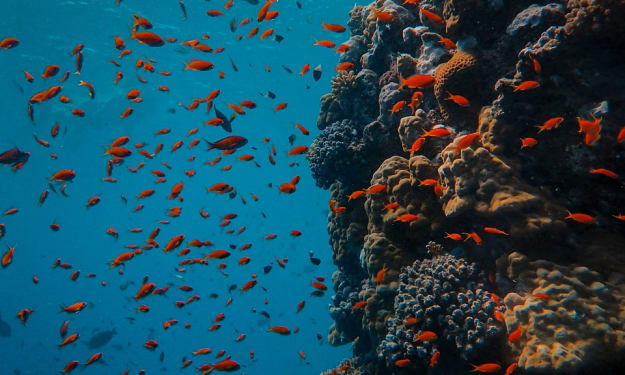
Coral reefs are underwater homes for many ocean creatures. Fish, crabs, and other marine animals live in the holes and crevices of coral reefs. The coral provides protection and food sources for these animals.
Animal Homes Around the World
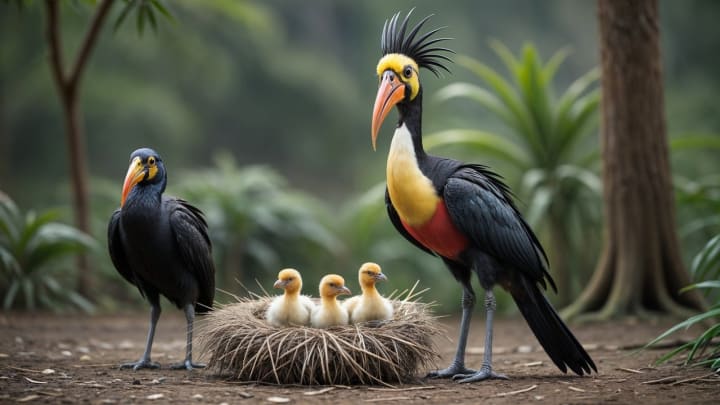
Animal homes can vary greatly depending on the environment. Animals in different habitats, such as deserts, jungles, oceans, and forests, have evolved to create homes that suit their surroundings. For example:
- Desert animals- like camels find shelter in burrows or under rocks to stay cool.
- Jungle animals - like monkeys live in tree nests to stay safe from predators.
- Ocean animals- like fish make their homes in coral reefs, while **sea turtles use sandy beaches to lay their eggs.
List of 100 Animals and Their Home Names
Here is a list of 100 animals and the names of their homes:
1. Lion - Den
2. Rabbit - Burrow
3. Bee - Hive
4. Bird - Nest
5. Spider - Web
6. Fish - Aquarium
7. Ant - Anthill
8. Fox - Den
9. Elephant - Herd (No specific home)
10. Bear - Den
11. Snake - Burrow
12. Giraffe - No specific home
13. Monkey - Nest
14. Kangaroo - No specific home
15. Horse - Stable
16. Cow - Barn
17. Penguin - Nest
18. Turtle - Shell
19. Wolf - Den
20. Tiger - Den
21. Jaguar - Den
22. Leopard - Den
23. Parrot - Nest
24. Alligator - Den
25. Crocodile - Nest
26. Owl - Nest or Tree Hollow
27. Bat - Cave
28. Zebra - No specific home
29. Raccoon - Den
30. Squirrel - Nest
31. Sloth - Tree
32. Chimpanzee - Nest
33. Panda - Den
34. Koala - Tree
35. Platypus - Burrow
36. Armadillo - Burrow
37. Beaver - Lodge (Dam)
38. Otter - Den
39. Hedgehog - Burrow
40. Wombat - Burrow
41. Cheetah - Den
42. Elephant Seal - Beach Hole
43. Walrus - Ice or Shore
44. Moose - No specific home
45. Lynx - Den
46. Hawk - Nest
47. Eagle - Nest
48. Ostrich - Nest
49. Vulture - Nest
50. Dolphin - Ocean
51. Shark - Ocean
52. Whale - Ocean
53. Seahorse - Coral or Seaweed
54. Crab - Burrow
55. Starfish - Ocean Floor
56. Octopus - Den or Hole in Rocks
57. Jellyfish - Ocean
58. Squid - Ocean
59. Clownfish - Anemone
60. Lionfish - Coral Reef
61. Parrotfish - Coral Reef
62. Turtle - Coral Reef or Beach
63. Shark - Ocean
64. Coral - Reef
65. Seagull - Nest
66. Pigeon - Nest
67. Turkey - Nest
68. Chicken - Coop
69. Duck - Nest
70. Goose - Nest
71. Crow - Nest
72. Swallow - Nest
73. Pheasant - Nest
74. Duck - Pond
75. Peacock - Nest
76. Hummingbird - Nest
77. Hornet - Nest
78. Yellowjacket - Nest
79. Termite - Colony or Nest
80. Mole - Tunnel
81. Badger - Burrow
82. Groundhog - Burrow
83. Chipmunk - Burrow
84. Coyote - Den
85. Opossum - Nest or Den
86. Vole - Burrow
87. Marmot - Burrow
88. Lizard - Burrow or Tree
89. Frog - Pond or Leaf
90. Toad - Pond or Burrow
91. Lynx - Den
92. Puma - Den
93. Cheetah - Den
94. Otterhound - Den
95. Swan - Nest
96. Moose - No specific home
97. Tortoise - Shell
98. Woodpecker - Tree Hollow
99. Wildebeest - No specific home
100. Gazelle - No specific home
Conclusion
Animal homes are crucial for the survival of animals. These homes protect them from the elements, offer a safe space to rest and raise their young, and help them find food. By understanding the different types of homes that animals use, we can better appreciate the natural world and the creatures that share it with us.
About the Creator
Keep reading
More stories from Ankur kumar and writers in Petlife and other communities.
50+ Sea Fish Names
Sea Fish Names: A Guide to 50 Different Types of Fish Found in the Ocean The ocean is home to an incredible variety of fish, each with its unique characteristics, colors, and behaviors. From small tropical fish to massive predators, sea fish come in all shapes and sizes. In this article, we will explore the names of 50 different types of fish found in the sea. Whether you are an ocean lover, a fisherman, or simply curious about marine life, understanding the names of sea fish can help you appreciate the diverse life forms that thrive beneath the waves.
By Ankur kumarabout a year ago in Petlife
A Dart at Dusk
Seconds ago, the sullen sun set on the two of us… my exuberant furry companion and me. A fresh breeze embraces us, delivering welcome relief from the day’s oppressive heat. His typical stumbling and staggering along — apace with a sloth — has turned into trip-trapping, high-stepping, almost skipping along.
By Angie the Archivist 📚🪶5 days ago in Petlife


Comments
There are no comments for this story
Be the first to respond and start the conversation.