
Acepromazine for Dogs
Understanding Tranquility for Anxious Companions

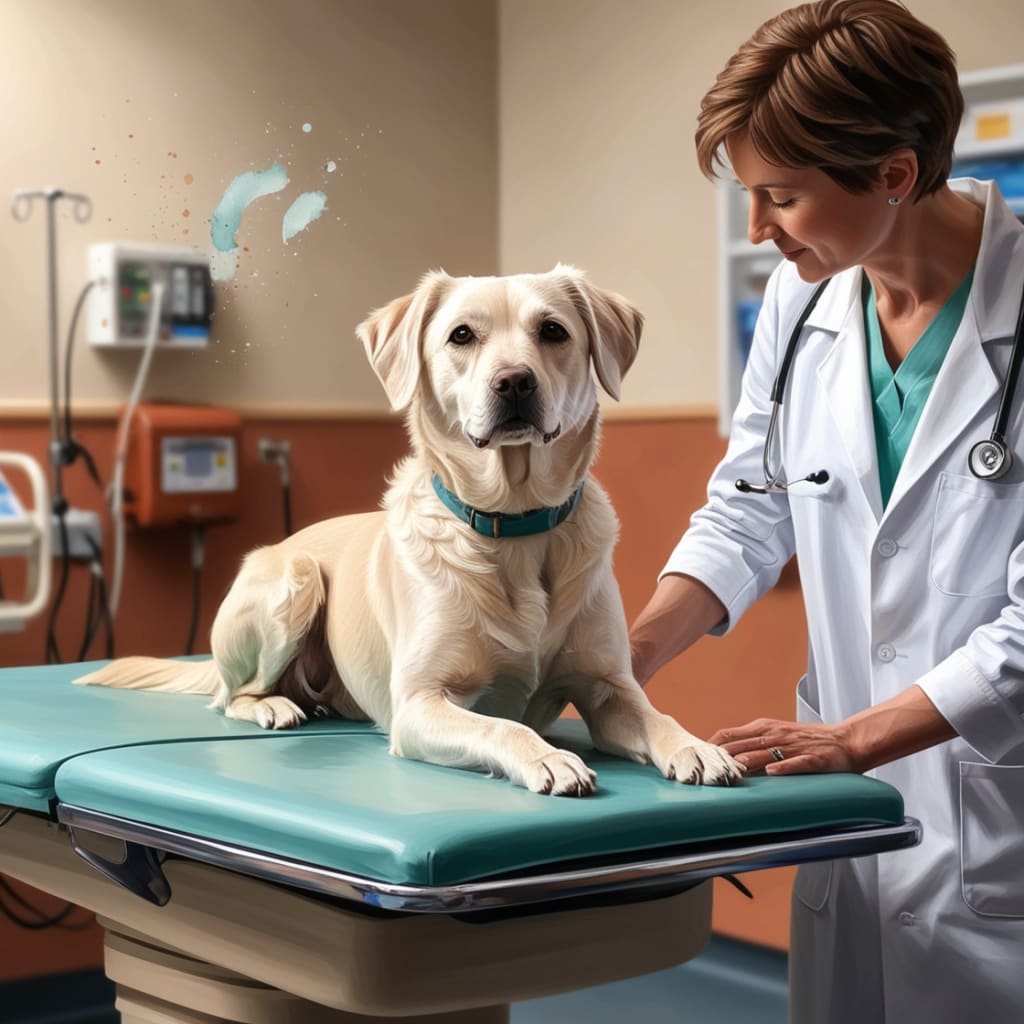
Our beloved canine companions can experience anxiety and agitation just like us. Loud noises, unfamiliar environments, or even vet visits can trigger nervousness in some dogs. Fortunately, medications like acepromazine offer a safe and effective solution for calming and tranquilizing dogs in various situations. This comprehensive guide delves into everything you need to know about acepromazine for dogs, empowering you to make informed decisions about your furry friend's well-being.
Understanding Acepromazine
Acepromazine maleate, often sold under brand names like Acepro® or PromAce®, belongs to a class of medications called phenothiazines. These medications work by affecting the central nervous system, producing a calming and tranquilizing effect.
Here's a breakdown of acepromazine's primary effects in dogs:
- Reduced anxiety and fear: Acepromazine helps alleviate anxiety and fear responses in dogs, making them less reactive to stressful situations.
- Mild sedation: It induces a state of mild sedation, making dogs calmer and less likely to engage in unwanted behaviors like barking or jumping.
- Muscle relaxation: Acepromazine can cause some muscle relaxation, further contributing to a calming effect.
Important Note: Acepromazine is not a pain reliever.
When is Acepromazine Prescribed for Dogs?
Veterinarians utilize acepromazine for various purposes in dogs:
- Treating Anxiety: For dogs experiencing anxiety due to loud noises (thunderstorms, fireworks), travel anxiety, or separation anxiety, acepromazine can provide temporary relief.
- Facilitating Examinations and Procedures: Acepromazine can help calm anxious dogs during vet visits, making examinations and minor procedures less stressful for both the dog and the veterinarian.
- Pre-anesthetic Medication: In some cases, acepromazine might be used alongside other medications to prepare dogs for anesthesia before surgery.
Diagnosis is Key: While acepromazine can be helpful for managing anxiety, it's crucial to address the underlying cause of your dog's nervousness. Your veterinarian will conduct a thorough examination and recommend a treatment plan that might involve behavior modification techniques alongside medication.
Administration and Dosage of Acepromazine
Acepromazine comes in various forms for dogs, including tablets, injections, and a transdermal patch (applied by your veterinarian). The exact dosage depends on several factors, including:
- Your dog's weight
- The severity of their anxiety
- The intended purpose (anxiety management, pre-anesthetic medication)
Never administer acepromazine to your dog without consulting a veterinarian. They will determine the appropriate form, dosage, and administration method based on your dog's individual needs.
Here are some general guidelines for acepromazine administration:
- It is typically given orally (tablets) 30 to 60 minutes before the anticipated stressful event.
- Injections might be used in specific situations by a veterinarian.
- The transdermal patch is a long-acting option for situations requiring prolonged sedation.
Important Reminders:
- Follow veterinary instructions precisely. Do not deviate from the prescribed dosage or frequency of administration.
- Monitor your dog closely after administering acepromazine. Some dogs might experience side effects.
- Do not use acepromazine with other medications without consulting your veterinarian, as there could be potential interactions.
Potential Side Effects of Acepromazine
While generally well-tolerated, acepromazine can cause some side effects in dogs, including:
- Vomiting
- Diarrhea
- Loss of appetite
- Lethargy
- Drowsiness
- Drooling
- Low blood pressure (hypotension)
These side effects are usually mild and transient. However, if any side effects persist or worsen, consult your veterinarian immediately.
Contraindications and Precautions:
- Puppies: Acepromazine is not recommended for puppies under 8 weeks of age.
- Pregnant or lactating dogs: The safety of acepromazine for pregnant or nursing dogs has not been established.
- Dogs with certain health conditions: If your dog has a history of heart disease, liver disease, seizures, or other health problems, your veterinarian will assess the risks and benefits of acepromazine use.
Alternatives to Acepromazine
Acepromazine is a valuable tool for managing anxiety in dogs, but alternative medications might be considered depending on your dog's specific needs. Here are some possibilities:
- Benzodiazepines: These medications, like alprazolam, can also produce calming effects and might be suitable for some dogs experiencing anxiety.
- Selective Serotonin Reuptake Inhibitors (SSRIs): These medications, like fluoxetine, are typically used for long-term management of anxiety disorders and require a prescription from your veterinarian.
- Natural Calming Aids: Supplements like L-theanine or chamomile might offer some mild calming effects for less severe anxiety cases. However, it's important to discuss these options with your veterinarian to ensure safety and effectiveness.
Choosing the Right Option: The best medication for your dog's anxiety will depend on the severity of their symptoms, underlying cause, and any potential health concerns. Your veterinarian will guide you in selecting the most appropriate approach.
Utilizing Behavioral Modification Techniques Alongside Medication
For optimal results in managing canine anxiety, a multi-pronged approach is often recommended. Combining medication with behavioral modification techniques can create a lasting positive impact on your dog's well-being. Here are some strategies to consider:
- Desensitization and Counterconditioning: Gradually expose your dog to the triggers of their anxiety in a controlled setting while rewarding calm behavior. This helps them develop positive associations with what previously caused fear.
- Positive Reinforcement Training: Reward calm and confident behavior during situations that typically induce anxiety. This encourages your dog to choose calmness over reactivity.
- Providing a Safe Space: Create a designated quiet area in your home where your dog can feel secure and relaxed during stressful times.
Patience and consistency are key when implementing behavioral modification techniques. Working with a qualified animal behaviorist can provide valuable guidance and support throughout this process.
Conclusion
Acepromazine can be a helpful tool for veterinarians to manage anxiety in dogs and facilitate various procedures. By understanding its effects, administration, and potential side effects, you can make informed decisions regarding your dog's treatment plan. Remember, addressing the underlying cause of anxiety and incorporating behavioral modification techniques are crucial elements for long-term success. Always consult your veterinarian for personalized guidance on managing your dog's anxiety and ensuring they live a happy, stress-free life.
Disclaimer: The information provided in this article is for educational purposes only and is not a substitute for professional veterinary advice. Always consult with your veterinarian regarding your dog's specific health needs and treatment options.
About the Creator
Tukhor005
Hi this is Tukhor, an aspiring content writer. Hobby is reading and writing need anything to write please mail me on [email protected].
The Summer I Was Chosen by a Northern Mockingbird
During the long, suspended days of the pandemic, a wild mockingbird began visiting my driveway and chose me, again and again. What started as a strange encounter became a brief, meaningful connection that I still carry with me.
By Erica Roberts 19 days ago in Petlife
Public Announcement Challenge Winners
For the Public Announcement Challenge, writers were asked to work inside voices built for control. These were notices, warnings, and updates meant to inform rather than confess. The strongest entries committed to that form and didn't break from it. Corporate memos, formal government alerts, and internal policy language were held consistently, allowing emotion, fear, grief, or humor to surface indirectly through pressure rather than declaration. The following poems recognize the voice of authority, and let human feeling slip through despite all its rules and restraint.
By Vocal Curation Team2 days ago in Resources




Comments
There are no comments for this story
Be the first to respond and start the conversation.