
Ababil Birds Kaaba – A Symbol of Faith, Protection, and Divine Power
Ababil Bird’s Khabia: Origins, Beliefs, and Cultural Importance

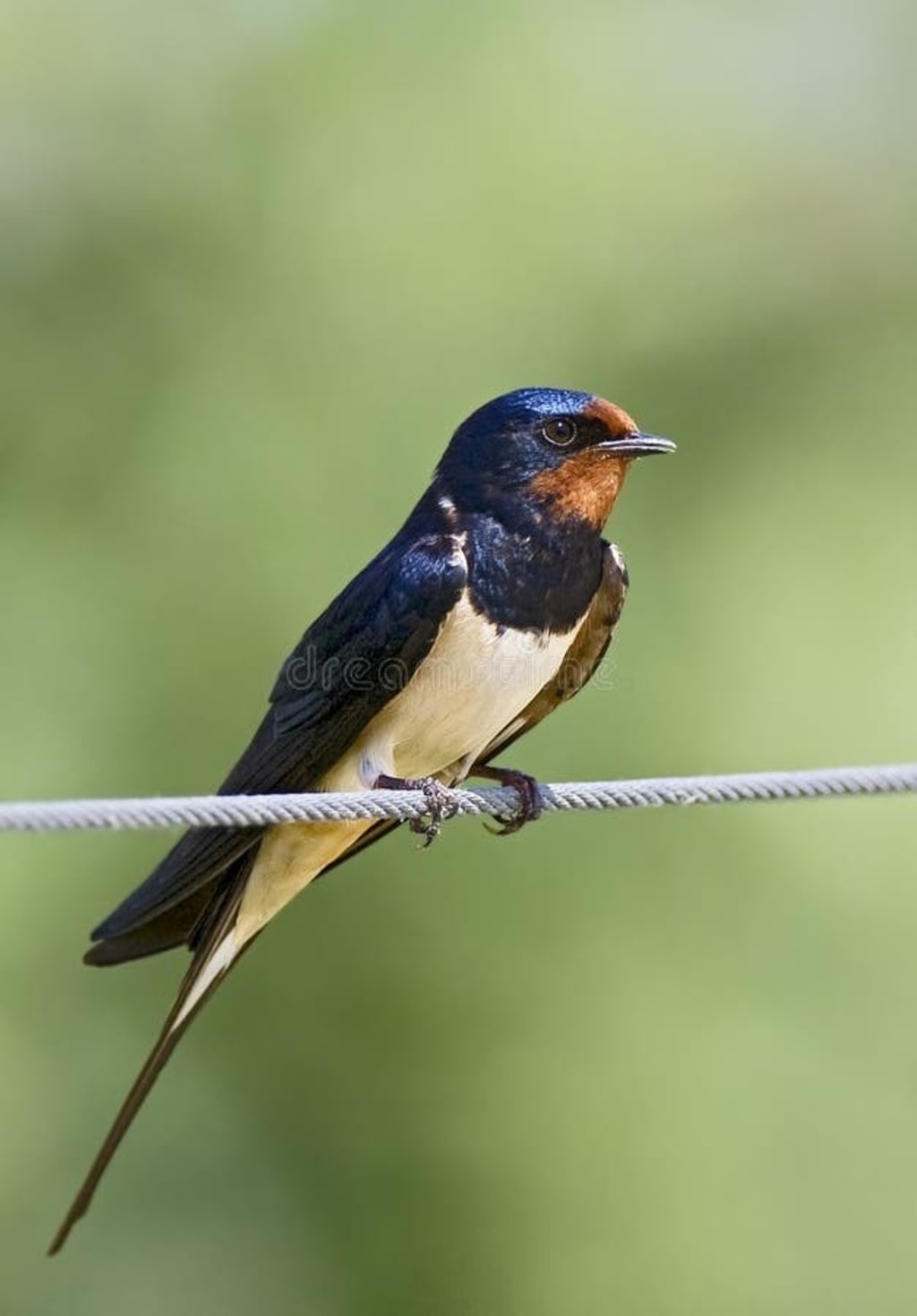
High above the endless sands of the Desert of Dawahn, where the wind whispered secrets older than memory, the Ababil flocks soared
like living ribbons of cloud. These were no ordinary birds. Each feather shimmered with an inner gleam, as if touched by starlight,
and their eyes held ancient wisdom. Among them was Khabia, one of the youngest of her generation, small in size but fierce in spirit.
Khabia had been born during a night of falling stars. The elders whispered that such a child would carry destiny in her wings. But
Khabia knew nothing of prophecy. She only knew the sky — its vast blue arc, its storms and calms, its hidden currents that made flight
both challenge and delight.
From the moment she learned to fly, Khabia raced the desert winds and danced through its eddies. She loved exploring — from the rocky
canyons where eagles nested to the distant oases where date palms bent in shimmering heat. Her curiosity was as boundless as the
horizon.
One evening, as the sun bled into the sands, Khabia perched on a crag overlooking Mecca. Beneath her, the sacred valley glowed with
torchlight. Travelers and merchants moved like ants, and the ancient Kaʿbah stood—small to the eye, immense to the spirit. An uneasy
silence stretched beyond the city slopes.
Rumors had reached the Ababil of Abraha, the great commander whose heart was weighed with pride, and whose army marched with
elephants and spears to destroy the Kaʿbah. The elders spoke in low tones of the danger and of a divine plan that would unfold at dawn.
But Khabia could not sleep. Restless and brimming with questions, she drifted skyward until she reached the highest clouds. Beneath her
the wind hummed sweet and terrible songs of change.
At first light, the desert quaked with the march of the elephants. Their
trumpets drummed like thunder. Dust clouds rose like angry spirits. And the people of the valley looked to the horizon with fear in their eyes.
Suddenly, a trill — like a bell winded with joy — rang through the air.
Khabia lifted her beak and sang. Then one by one, thousands of Ababil took wing — from distant cliffs, hidden dunes, and secret
valleys — until the sky pulsed with living life.
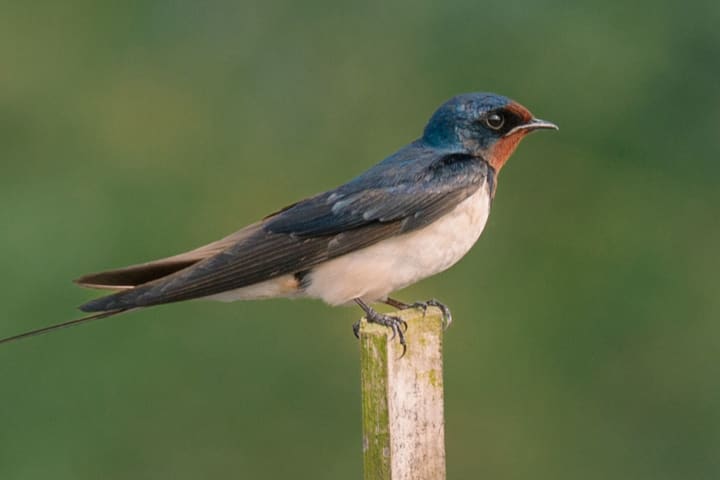
Khabia’s heart throbbed. She was smaller than most, but her courage soared. The elders guided the flocks with calls that rippled across the
wind. They formed streams of feathered motion — arcs upon arcs —
and descended toward the foe.
But these birds carried not war in their hearts. They carried clay
stones baked by the heat of prayer and purpose. With singular focus, they released their precious burdens upon the troubling host below.
The stones fell like a rain of stars. They struck the ground with booming echoes. And where they fell, the earth seemed to shatter
Abraha’s strength as if the desert itself rose up in defense of its sacred guest.
Khabia swooped and circled, her small form a blur of energy. She had never felt something so profound — the quiet trust that her flight, her
stones, her very breath were part of something greater than herself.
She was a thread woven into the fabric of destiny.
Yet among the flocks, Khabia noticed a lone elephant calf separated
from its mother, trembling amid the chaos. The calf’s wide eyes mirrored fear — the same fear she had seen once in her own
reflection during a fierce sandstorm.
Khabia hesitated. Would she stay with her mission or reach out to
ease another’s suffering?
Without hesitation, she darted down. The flurry of wings above seemed to pause, sensing her intent. The calf stood alone, shivering.
Khabia hovered before its eye, her voice soft but firm.
“Do not be afraid,” she chirped. “You are not the destroyer. You are
lost, but there is goodness yet to be found.”
The calf lowered its great head as a breeze wrapped around them like a blessing. Khabia guided it gently toward the desert plains, where it
could wander safely away from the battle. And as she did, a light seemed to rise across the sand — not from stone, but from mercy
itself.
When Khabia returned to her flock, the sun was fully risen, and the distant echoes of defeat drifted back across the dunes. The hostile
host had turned, broken by forces invisible and eternal.
The Ababil circled once over the Kaʿbah — a testament of wings and
wind — then rose together toward the high horizon.
Khabia rode the currents home. She was weary, but her heart glowed
with purpose. She had flown beyond fear and found courage in
compassion. Ages hence, the tale of her flight would be whispered by desert winds and sung by flocks of Ababil — that even in the greatest
of storms, mercy can guide the smallest of hearts.
About the Creator
Niaz Muhammad
Insha Allah, I will write in such a good way that people with weak eyesight or the elderly can easily read it.
Keep reading
More stories from Niaz Muhammad and writers in Petlife and other communities.
The Summer I Was Chosen by a Northern Mockingbird
During the long, suspended days of the pandemic, a wild mockingbird began visiting my driveway and chose me, again and again. What started as a strange encounter became a brief, meaningful connection that I still carry with me.
By Erica Roberts 8 days ago in Petlife
A Cat’s AutobiographyA Cat’s Autobiography
A Cat’s Autobiography I am a white cat, and this is my story. I do not have a permanent home to call my own. My life moves from place to place, wherever fate allows me to rest for a while. Sometimes I sleep inside a small shop, sometimes under a wooden bench in a quiet street, and sometimes I settle into a corner of a house where no one seems to notice me. Every place is temporary, and every night carries uncertainty.
By Sudais Zakwan7 days ago in Petlife

Comments
There are no comments for this story
Be the first to respond and start the conversation.