
A Complete Guide to Sea Star or Saltwater Starfish for Beginners
A to Z

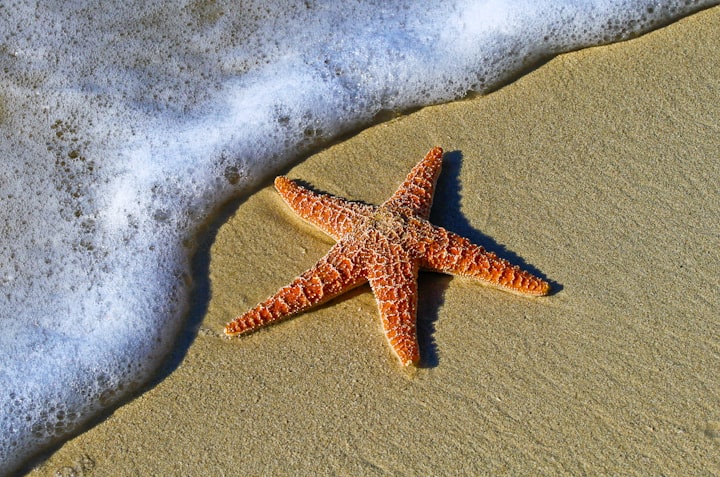
Starfish, also known as sea stars, are fascinating creatures in Asteroidea. They are found in oceans worldwide, from tropical coral reefs to deep-sea trenches. This guide will explore saltwater starfish for beginners, from their anatomy and feeding habits to their life cycle and habitat requirements.
Sea stars are marine invertebrates characterized by their distinctive radial symmetry and elongated arms. They are part of the phylum Echinodermata (Asteroidea), including sea urchins, sand dollars, and sea cucumbers. These fish are crucial in marine ecosystems, as they are predators and prey. They feed on a variety of organisms, including bivalves, snails, and small fish, and are themselves eaten by larger predators such as sea otters and crabs. Additionally, they help to maintain the balance of ecosystems by controlling the populations of certain species.
The purpose of this guide is to provide a comprehensive introduction to saltwater starfish for beginners. Whether you are a marine hobbyist or just curious about these fascinating creatures, this guide will give you the knowledge and tools to understand better and appreciate saltwater starfish.
Types of Saltwater Starfish
There are over 2,000 species of starfish or sea stars, each with unique characteristics and adaptations. They come in various colors and sizes, from tiny species just a few millimeters in diameter to giant species that can grow up to a meter in length.
Classification
These sea stars are classified into several groups based on their characteristics, including their body shape, arm length, and feeding habits. Some of the most common groups include:
- Brisingida: These sea stars have long, slender arms and are typically found in deep-sea habitats.
- Forcipulatida: They have short, stubby arms and are known for their powerful jaws, which they use to pry open the shells of their prey.
- Paxillosida: They have small, slender arms and are typically found in shallow waters.
- Spinulosida: They have long, spiny arms and are found in various marine habitats.
Different Species
Here are some examples of varying starfish species:
- Crown-of-thorns starfish (Acanthaster planci): This species has long, sharp spines and feeds on coral polyps. It is considered a pest in some areas because it can quickly destroy coral reefs.
- Chocolate chip starfish (Protoreaster nodosus): This species is named for its brown, textured appearance. It is found in shallow waters throughout the Indo-Pacific region.
- Sunflower starfish (Pycnopodia helianthoides): This species has up to 24 arms and can grow up to a meter in diameter. It is found in the northeastern Pacific Ocean.
- Brittle stars (Ophiuroidea): These starfish have long, thin arms easily broken off as a defense mechanism. They are found in a variety of marine habitats worldwide.
Anatomy of Saltwater Starfish
Saltwater starfish have a unique anatomy that distinguishes them from other marine animals. They have a complex system of organs and structures that enable them to move, eat, and survive in their environments. In this section, we will explore the anatomy of sea stars in detail.
External Anatomy
Arms: They have a distinctive star-shaped body with five or more arms extending from a central disc. The arms are covered with small, suction-cup-like structures called tube feet, which help them move and capture prey.
Tube Feet: The tube feet of a starfish are used for various purposes, including movement, feeding, and respiration. They are controlled by a system of muscles and hydraulic pressure, which allows them to move with remarkable precision.
Mouth and Stomach: Sea stars have a unique way of feeding. They use their tube feet to pry open their prey shells, then evert their stomachs through their mouth and into the shell to digest the prey. This allows them to feed on organisms generally protected by a hard shell, such as clams and oysters.
Internal Anatomy
Water Vascular System: Their unique water vascular system helps them move and capture prey. This system consists of a network of canals and tubes filled with seawater. The starfish can control the movement of water through the system using specialized muscles and valves.
Nervous System: These fish have a decentralized nervous system, meaning their nerve cells are distributed throughout their bodies rather than centralized in a brain. This allows them to react quickly to changes in their environment.
Digestive System: Besides their unique feeding mechanism, sea stars have a complex digestive system that includes several organs and structures. After the stomach has everted through the mouth to digest the prey, the nutrients are absorbed by the digestive glands and transported throughout the body via the circulatory system.
Understanding the anatomy of sea stars is essential for anyone interested in studying or caring for these fascinating creatures. It provides insight into their behavior, feeding habits, and survival strategies.
Life Cycle of Saltwater Starfish
Starfish have a complex life cycle that involves several stages of development. They reproduce sexually, and their larvae undergo a series of transformations before adulthood. In this section, we will explore the life cycle of a sea star in detail.
Reproduction
They reproduce sexually, with males releasing sperm and females releasing eggs. Fertilization typically occurs externally, and the resulting embryos develop into free-swimming larvae.
Larval Stage
Their larvae are planktonic, meaning they drift with ocean currents. They have a distinctive appearance, with cilia for movement and a rudimentary digestive system. For several weeks, the larvae undergo a series of transformations, culminating in the development of arms and tube feet.
Juvenile Stage
Once the larvae have developed arms and tube feet, they settle onto a substrate and begin the juvenile stage of development. They continue to grow and develop their internal organs, including their water-vascular, nervous, and digestive systems.
Adult Stage
Once the juvenile starfish have reached maturity, they are considered adults. The time it takes to reach maturity varies depending on the species but can take anywhere from a few months to several years. Adult fish continue to grow and reproduce, completing the life cycle.
Feeding Habits of Saltwater Starfish
Sea stars have a unique feeding mechanism and a diverse diet depending on the species and habitat. In this section, we will explore the feeding habits of starfish in detail.
Diet
Sea stars are opportunistic feeders and will eat almost anything they can capture. Their diet includes a variety of marine invertebrates, such as clams, oysters, mussels, snails, and sea urchins. Some species of starfish also feed on small fish and plankton.
Feeding Mechanism
Their unique feeding mechanism allows them to consume organisms typically protected by a hard shell, such as clams and oysters. They use their tube feet to pry open their prey shells, then evert their stomachs through their mouth and into the shell to digest the prey.
Feeding Strategies
They have several feeding strategies that vary depending on the species and habitat. Some species, such as the cushion starfish, feed primarily on detritus and other organic material that has settled on the seafloor. Other species, such as the crown-of-thorns starfish, are voracious predators that can consume large quantities of coral.
Habitat and Tank Requirements
Starfish require specific habitat and tank conditions to thrive in captivity. In this section, we will explore the natural habitat of sea stars and the requirements for setting up an aquarium.
Natural Habitat
They are found in marine habitats, including rocky intertidal zones, coral reefs, and seagrass beds. They can also be found in deep-sea environments. The specific habitat requirements vary depending on the species, but most require stable water conditions and access to food.
Aquarium Setup
When setting up an aquarium, it is important to recreate its natural habitat as closely as possible. This may include providing live rock or artificial structures for them to climb on and sand or substrate to burrow in.
Water Quality and Parameters
Maintaining water quality is crucial for the health and well-being of your fish. The water should be contaminant-free and have the appropriate salinity level, typically between 1.020 and 1.025. The water temperature should also be within the range preferred by the species of starfish being kept.
Lighting
Sea stars do not have specific lighting requirements, but the lighting in the aquarium should be appropriate for the other organisms in the tank. Some species of starfish may require low light conditions, while others may require higher light levels.
Care and Maintenance
Proper care and maintenance are essential for keeping saltwater starfish healthy and thriving in captivity.
Cleaning and Maintenance
Regular cleaning and maintenance of the aquarium are crucial for the health of sea stars. This includes frequent water changes, removal of any debris or uneaten food, and cleaning the aquarium equipment. It is essential to avoid using harsh chemicals or detergents when cleaning the aquarium, as these can be harmful to the starfish.
Common Issues and Solutions
These fish can be susceptible to various issues in captivity, such as stress, disease, and injury. Monitor the starfish closely for signs of illness or injury and take appropriate action if necessary. Common issues and their solutions may include adjusting water parameters, treating parasites or infections, or isolating injured or stressed individuals.
Handling and Transportation
Handling and transporting starfish can be challenging, as they are delicate creatures easily injured or stressed. Avoid touching their arms or tube feet when handling or transporting, as this can cause damage. Keep them in a stable and secure container during transportation.
Proper care and maintenance are essential for keeping these fish healthy and thriving in captivity. Regular cleaning and maintenance, monitoring for issues, and careful handling and transportation are all important aspects of caring for these fascinating creatures.
Breeding Saltwater Starfish
Breeding saltwater starfish in captivity can be challenging, but it can also be a rewarding experience for those dedicated to the process. This section will explore the different methods of breeding sea stars or starfish.
Sexual and Asexual Reproduction
These fish can reproduce both sexually and asexually. Sexual reproduction involves the fertilization of eggs by sperm, while asexual reproduction involves the regeneration of lost body parts into new individuals. Depending on the species, some starfish may reproduce more readily than others.
Breeding Strategies
Breeding starfish in captivity can be achieved through various strategies, such as pairing compatible individuals, inducing spawning with hormones, or using artificial insemination. The specific method will depend on the species of starfish being bred and the resources available.
Larval Rearing
The larvae of sea stars require specific conditions and care in order to survive and develop into adult individuals. This includes providing appropriate food, maintaining water quality, and avoiding exposure to predators or other harmful organisms. Successfully rearing starfish larvae requires a high level of skill and dedication.
Breeding in captivity is a challenging but rewarding experience that requires careful planning, skill, and dedication. Understanding the reproductive strategies of different species, employing appropriate breeding strategies, and providing proper care for the larvae are all key aspects of successfully breeding these fascinating creatures.
Common Diseases and Health Issues
Saltwater starfish can be susceptible to various health issues and diseases, which can be caused by poor water quality, stress, or exposure to pathogens. This section will explore some common illnesses and health issues affecting sea stars.
Signs of Health Problems
The signs of health problems in saltwater starfish can be subtle and difficult to detect. Common symptoms of health issues may include changes in behavior, loss of appetite, discoloration or lesions on the skin, or abnormal growth. Monitoring them closely for any changes in behavior or appearance is important, as early detection can be key to successful treatment.
Common Diseases and Treatment
Common diseases include bacterial, fungal, and parasitic infections. Treatment for these diseases may involve antibiotics, antifungal medications, or specialized treatments for parasites. It is necessary to consult with a veterinarian or experienced aquarist when diagnosing and treating health issues.
Preventive Measures
Preventing health issues involves maintaining high water quality, providing appropriate nutrition, and avoiding stressors such as exposure to predators or unsuitable tank mates. Quarantining new individuals before introducing them into a community tank can also help prevent the spread of disease. Regular monitoring of water quality and the health of the starfish can also help prevent health issues from developing.
They can be susceptible to various health issues and diseases, but with proper care and monitoring, these issues can be prevented or successfully treated. Understanding the signs of health problems, common disorders, and their treatment, and taking preventive measures can help keep them healthy and thriving in captivity.
Fascinating Facts About Saltwater Starfish
Saltwater starfish are fascinating creatures with unique abilities and cultural significance. This section will explore some of the most exciting and surprising facts about sea stars.
Regeneration Abilities
One of the most remarkable abilities of these fish is their ability to regenerate lost limbs. When they lose an arm, it can grow a new one with all the vital organs and tissues. This remarkable ability is due to the starfish's decentralized nervous system and the presence of specialized cells called blastemal cells, which can differentiate into various cell types to form a new arm.
Defense Mechanisms
They have several defense mechanisms that help protect them from predators. Some species can detach their limbs when threatened, distracting predators and allowing the starfish to escape. Other species have sharp spines on their arms that can deter predators or cause injury. Some species can even produce toxic chemicals to repel predators.
Symbolism and Cultural Significance
Sea stars have long been a symbol of resilience and regeneration in many cultures. In ancient Greek mythology, the starfish was associated with Aphrodite, the goddess of love and fertility, and was often depicted on coins and other art objects. In Native American cultures, the starfish was seen as a symbol of healing and regeneration. Today, saltwater starfish are famous in the aquarium trade and are enjoyed by hobbyists worldwide.
Conclusion
In conclusion, saltwater starfish are remarkable creatures with unique abilities and cultural significance. Their ability to regenerate lost limbs, defense mechanisms, and symbolism make them fascinating and beloved creatures in marine biology and popular culture. Sea stars are captivating creatures that are worthy of attention and admiration. They play an important role in marine ecosystems, and their unique abilities, such as regeneration and defense mechanisms, make them fascinating to study and observe.
By following the tips and guidelines presented in this guide, beginners can successfully care for and appreciate these incredible creatures in natural and aquarium environments. With their intriguing biology and cultural significance, saltwater starfish or sea stars are a true wonder of the sea.
👉 Do you have any additional insights or questions? We highly value your feedback. Please share your thoughts by leaving a comment below. ✅ Subscribe to our newsletter, and don't miss out on future blog posts with valuable insights.
About the Creator
Amir Hossain
I blog on everything and anything— hoping my blogs will make your days a bit happier!
Keep reading
More stories from Amir Hossain and writers in Petlife and other communities.
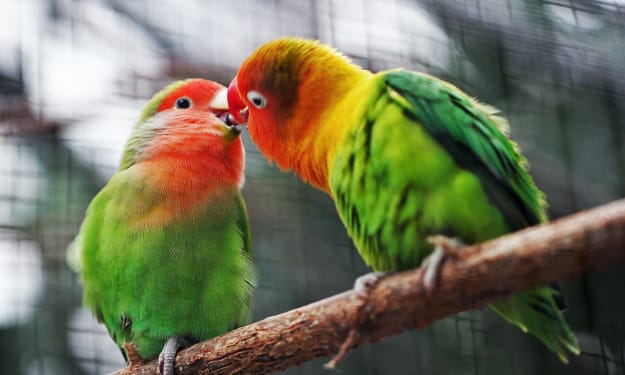
Get Ready to Aww Over These 14 Incredibly Cutest Birds in the World
Birds are one of the most beautiful and fascinating creatures on the planet. With their wide array of colors, patterns, and behaviors, birds have captured the hearts and imaginations of people for centuries. Among the many bird species, some are undoubtedly cuter than others, with unique physical characteristics and charming personalities that make them hard to resist. However, some birds stand out from the rest because of their cuteness. This blog post will explore the world of the 14 incredibly cutest birds.
By Amir Hossain3 years ago in Petlife
Off the Leash: The Essential Gear Guide for Adventurous Dogs
There’s something wildly freeing about unclipping the leash and letting your dog move the way they were built to. If you’re hiking in areas that truly allow off-lead exploration, your gear list shifts. No harness. No leash dragging through dust. Instead, it’s about smart, lightweight essentials that keep your dog safe, hydrated, and easy to manage when adventure gets messy. Long walks off lead are less about control and more about preparation.
By Shabbir Ahmad6 days ago in Petlife


Comments
There are no comments for this story
Be the first to respond and start the conversation.