
6 Signs Your Dog Is Stressed or Sad—and What to Do about It
There are some telltale signs that something is not quite right with your pup. Here are a few of them—and what you can do to turn their mood around.

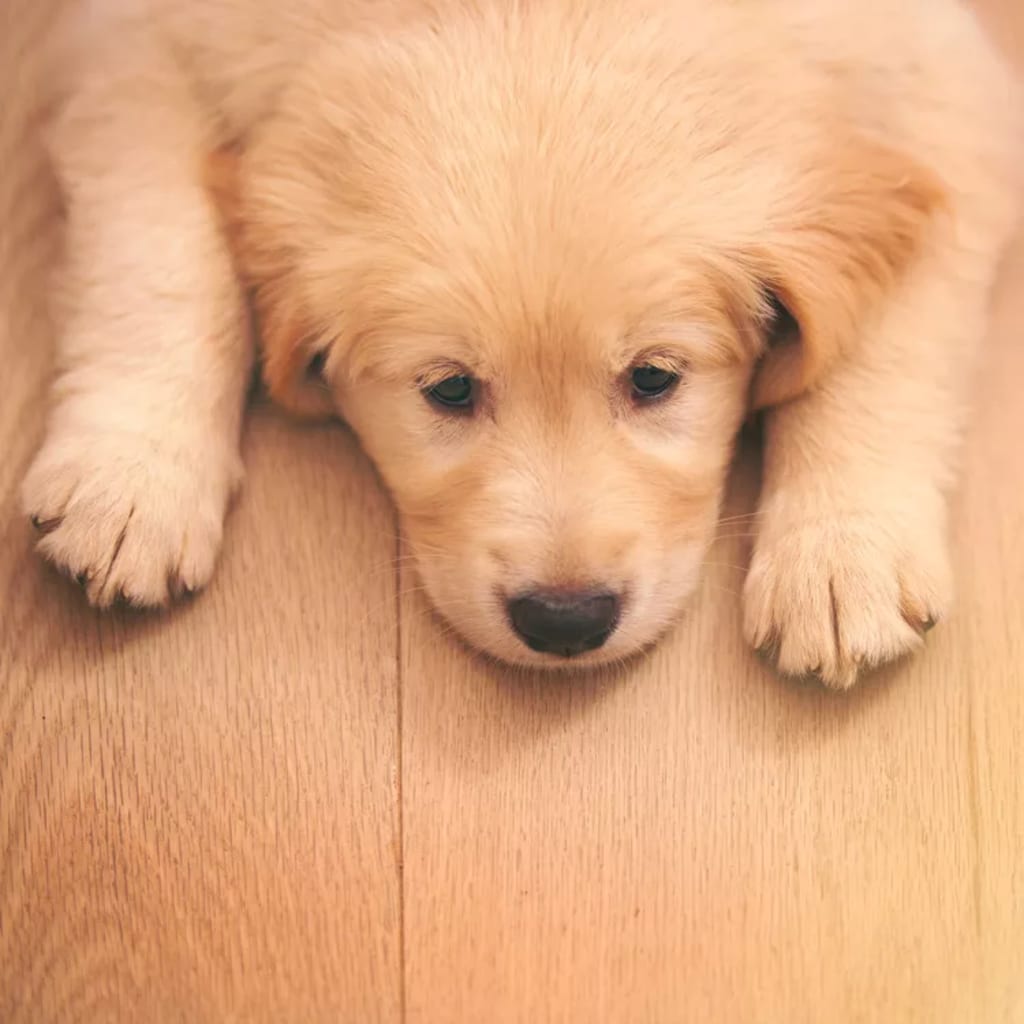
If you have a dog, you probably already know they can express their feelings like humans do. That means your little pup can become sad and withdrawn when they are stressed out, which can lead to depression if it lingers for too long. To get them feeling happy and relaxed again, you might want to meet with a vet to see what's going on—and to rule out any physical conditions. You can also try a few habit changes and lifestyle tweaks to get them back to their happy selves.
Signs Your Dog May Be Depressed
Dogs can be depressed for a variety of reasons. "Dogs can be depressed if they lost a family member, a kid went off to college or another dog in the house passed away. I see depression a lot in dogs whose families have gone through a divorce," says Dr. Sara Ochoa, DVM, a veterinarian at Whitehouse Veterinary Hospital in Whitehouse, Texas, and a contributor for Senior Tail Waggers.
Ochoa adds that dogs can get very attached to people and other pets, so when these relationships change, they can show signs of depression. If you think your dog is down in the dumps, here are the signs to look for and ways to help perk them back up.
Fatigue
"Most dogs that are depressed will lay around more and not really want to interact with other people in the house," says Ochoa. It could be their age, but if it's suddenly come on, or they're sleeping way too often, then it might be depression."
Have you recently changed your routine? Try to play with your dog using their favorite toy or take them for a walk. "Fresh air does a world of good for the brain," says Conrad Rossouw, a former certified dog trainer based in Scotland.
Changes in Appetite
Sad and stressed dogs may also not want to eat or drink. "They may also stop eating their food, but will eat people food," says Ochoa. So, look for any change from the normal diet and cravings. "Any change in appetite can be a sign of depression but can also be a sign of something else," adds Ochoa, so get your pooch to the vet for a checkup to rule out anything else.
They could also be gaining weight. "This usually goes hand in hand with a lack of exercise and stimulation. Try and take your dog for a walk," says Rossouw. And look at their calorie intake. Are you feeding them too much? They might be getting too much food compared to the exercise they're doing, which would be unrelated to stress and sadness.
Hiding and Withdrawing
If your pup is disappearing or withdrawing to odd places in the home, they could be feeling stressed or sad. "You may find them sleeping under the bed or in a closet. This is a common sign seen with depressed dogs," says Ochoa. Try playing a game or giving them more attention to make them feel happier and more relaxed.
Licking Its Feet
When a dog is depressed they may lick their feet. Why? "This is a calming method for many dogs," says Ochoa. Constant licking and grooming is a sign that your dog is trying to comfort themselves.
If your pup has been self-grooming a lot over a long period of time, it may be a sign of something else. "Doing it too much means it becomes a habit. If you've ruled out any medical issues, then I'd recommend getting your dog back into a routine, and playing games with them to stimulate their mind," says Rossouw.
No Interest in Playing or Walking
Depressed dogs might suddenly not want to go for walks anymore. They might not jump up and down when you get their leash, run to the door or react when you try and get them to take a walk, according to Steffi Trott, a professional dog trainer, and owner of SpiritDog Training. "Depressed dogs have a generally decreased sense of excitement and happiness, and this might show in their refusal to go for walks," says Trott.
About the Creator
Kaly Johnes
I Am Best Writer History and health
Keep reading
More stories from Kaly Johnes and writers in Petlife and other communities.
The 10 Best and Worst Foods for Dogs, According to a Vet
As a dog lover, you want to ensure that your pup lives the longest and healthiest life possible. Eating the same dry kibble every day can make life pretty mundane for any living being. Still, it can be challenging to filter through the social media advice, ad messaging and endless claims by supposed experts. So what is the truth about canine nutrition?
By Kaly Johnes9 months ago in Petlife
A Dart at Dusk
Seconds ago, the sullen sun set on the two of us… my exuberant furry companion and me. A fresh breeze embraces us, delivering welcome relief from the day’s oppressive heat. His typical stumbling and staggering along — apace with a sloth — has turned into trip-trapping, high-stepping, almost skipping along.
By Angie the Archivist 📚🪶5 days ago in Petlife



Comments
There are no comments for this story
Be the first to respond and start the conversation.