
5 Surprising Facts About 'Lesbian' Albatrosses"
"Unpacking the Intriguing World of Same-Sex Pairing Among Albatrosses"

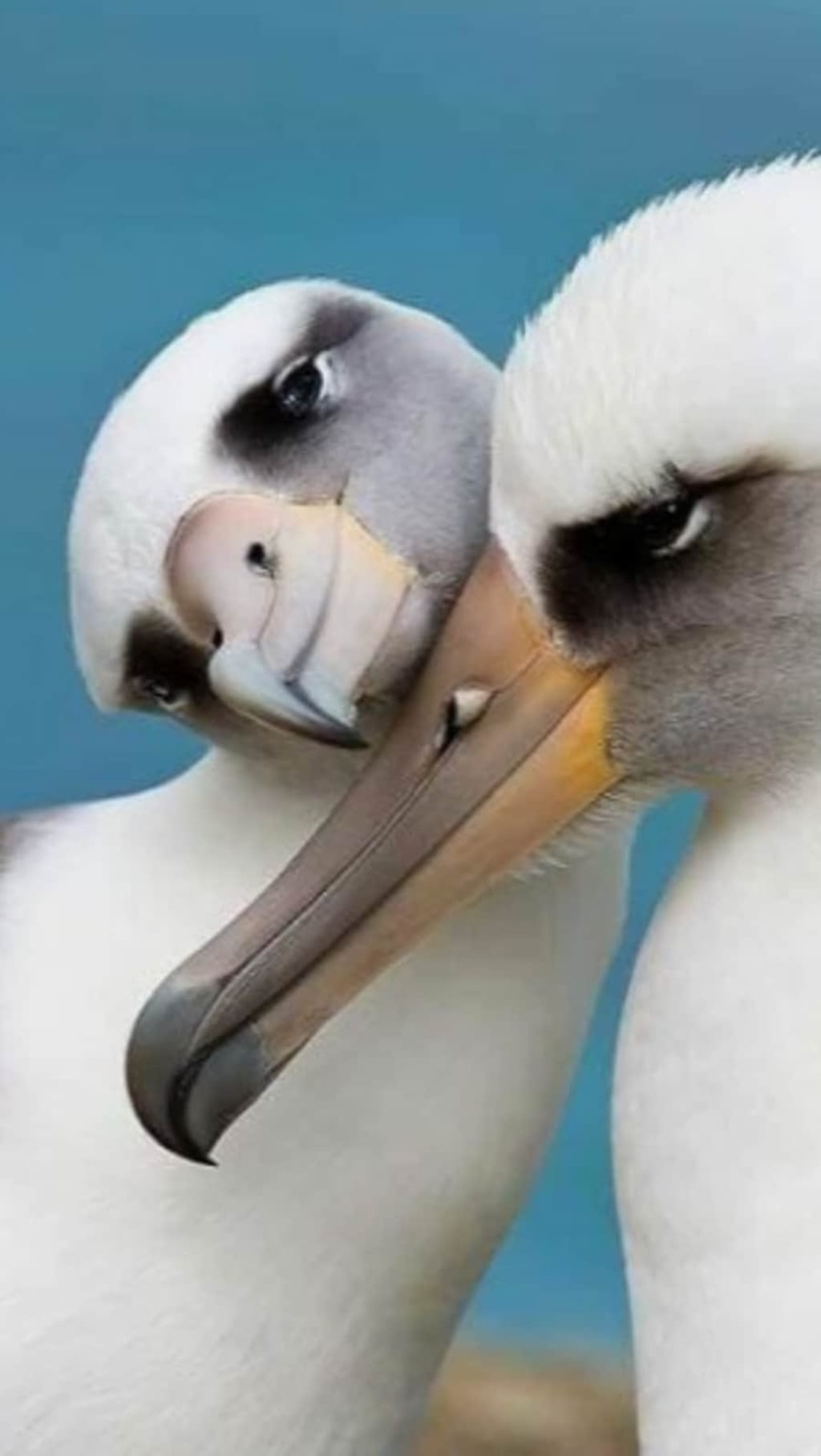
The natural world is full of surprises, and one of the most fascinating revelations is the prevalence of same-sex pairing among animals. Among these, albatrosses—those majestic, long-lived seabirds—stand out for their unique approach to love and partnership. While the term "lesbian albatrosses" may sound unusual, it’s a way to describe the same-sex female pairs observed in certain albatross colonies. Here are five surprising facts about these remarkable birds and their unconventional love lives:
1. Same-Sex Pairing Is Common in Albatross Colonies
Research has revealed that same-sex female pairs are not rare among certain species of albatrosses, such as Laysan albatrosses. In some colonies, same-sex pairs can constitute up to 31% of all pair bonds. This phenomenon was first documented in detail in the Hawaiian islands, where researchers observed two female albatrosses raising chicks together.
These pairs form long-term bonds, much like male-female pairs, and engage in cooperative parenting. They share the responsibility of incubating eggs and feeding their chicks. While one of the females in the pair typically mates with a male to produce an egg, the bond between the two females is the cornerstone of their partnership.
2. It’s a Solution to Skewed Sex Ratios
One reason for the prevalence of same-sex pairing among albatrosses is the skewed sex ratio in some colonies. For instance, in certain Laysan albatross populations, there are significantly more females than males. This imbalance leaves many females without potential male partners.
Rather than forgoing reproduction altogether, these unpaired females team up with one another to raise chicks. This adaptive behavior ensures that more offspring are raised successfully, contributing to the survival of the colony. It’s a remarkable example of how animals can adapt their social structures to environmental challenges.
3. Female-Female Pairs Are Just as Committed as Male-Female Pairs
Albatrosses are known for their monogamous relationships, often staying with the same partner for life. Female-female pairs exhibit the same level of commitment, with some pairs remaining bonded for decades. They engage in the same courtship rituals, such as elaborate dances, and demonstrate strong pair bonding through mutual grooming and synchronized behaviors.
This long-term partnership is not just a practical arrangement for raising chicks; it’s also a testament to the emotional depth of their bonds. Researchers have noted that these pairs exhibit the same affection and dedication as their male-female counterparts.
4. Their Parenting Success Is a Mixed Bag
While female-female pairs can successfully raise chicks, their parenting success is often slightly lower than that of male-female pairs. This is primarily because they must rely on a male—often an unpaired or extra-paired male—to fertilize the egg. The availability and willingness of such males can vary, which sometimes affects the reproductive success of these pairs.
However, once the egg is laid, the female-female pair demonstrates impressive teamwork. They alternate incubation duties and take turns foraging for food to feed their chick. This cooperative parenting increases the likelihood of the chick’s survival, even in challenging conditions.
5. It Challenges Traditional Views of Animal Behavior
The existence of same-sex pairing among albatrosses challenges traditional notions of animal behavior and reproduction. For a long time, animal studies focused almost exclusively on heterosexual pairings, assuming they were the norm. Observations of female-female albatross pairs highlight the diversity and complexity of social structures in the animal kingdom.
These findings also contribute to the broader understanding of homosexuality in animals, a phenomenon documented in over 1,500 species. By studying same-sex pairing in albatrosses, scientists gain insights into how animals adapt their behavior to environmental and social pressures, as well as how they form bonds that go beyond reproduction.
The Bigger Picture: Lessons from Albatrosses
The story of "lesbian" albatrosses is more than a quirky curiosity; it’s a reminder of the resilience and adaptability of life. These birds demonstrate that love and partnership in the animal kingdom can take many forms, driven by both necessity and emotional connection.
As researchers continue to uncover the complexities of albatross relationships, they also challenge us to rethink our understanding of love, family, and cooperation in the natural world. Perhaps the most surprising fact of all is how much we can learn from these extraordinary seabirds about building strong partnerships and thriving in the face of adversity.
So the next time you see an albatross gliding effortlessly over the ocean, remember: their lives and loves are as boundless as the skies they soar through.
About the Creator
Keep reading
More stories from INFO INSIDER and writers in Petlife and other communities.
Mammals with the Most Babies: 5 Remarkable Examples in the Animal Kingdom
Mammals are known for their diverse reproductive strategies, with some species giving birth to just one offspring at a time and others producing litters so large they almost defy belief. 🐾🌿🐶 While most people might picture a mother cat nursing her kittens or a kangaroo caring for her joey, there are mammals whose prolific reproduction places them in a league of their own. Here are five remarkable examples of mammals known for having the most babies. 🤠🐿🐶
By INFO INSIDER about a year ago in Petlife
Off the Leash: The Essential Gear Guide for Adventurous Dogs
There’s something wildly freeing about unclipping the leash and letting your dog move the way they were built to. If you’re hiking in areas that truly allow off-lead exploration, your gear list shifts. No harness. No leash dragging through dust. Instead, it’s about smart, lightweight essentials that keep your dog safe, hydrated, and easy to manage when adventure gets messy. Long walks off lead are less about control and more about preparation.
By Shabbir Ahmad5 days ago in Petlife



Comments (1)
Hello, just wanna let you know that if we use AI, then we have to choose the AI-Generated tag before publishing 😊