
5 Of The World's Rarest Animals
Top five rare animals

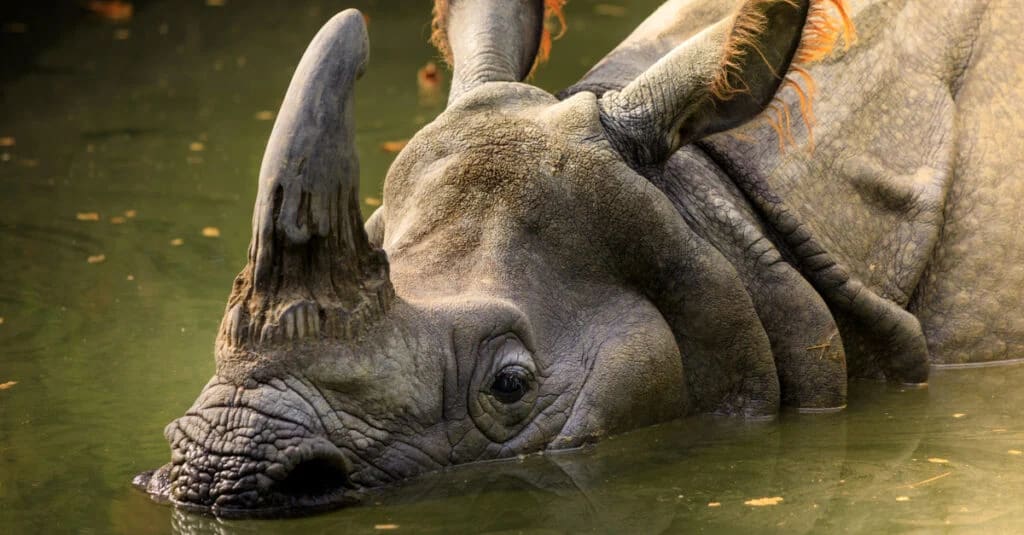
As temperatures and conditions change, species must either develop or face a variety of challenges to their survival. Many animals in the globe, both past and present, have experienced threats such as habitat loss, overhunting, and disease. In this post, we'll look at the top ten rarest creatures in the planet that can still be found in the wild. All of the world's rarest animals are severely endangered and urgently require conservation, or they would be extinct forever.
1.Addax
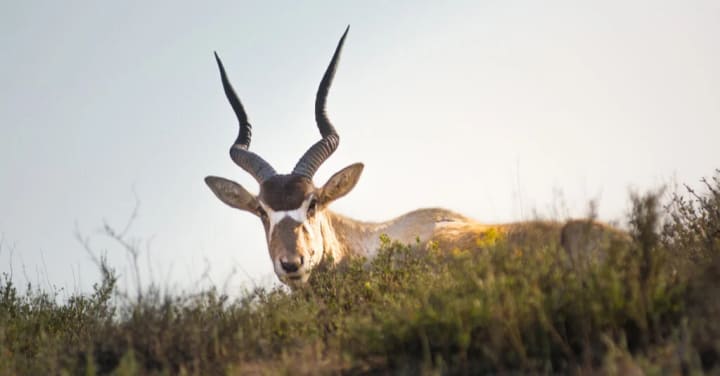
The addax (Addax nasomaculatus) is an antelope that used to roam the African deserts. They can now only be found in Niger's Termit Tin Toumma region. Thousands of addax survive in captivity in various preserves across the world, but the wild population is estimated to be only 30-90 mature adults.
Unrestricted hunting had a significant impact on the addax population, but a spike in oil drilling in their native habitats, as well as political instability, has attracted even more armed humans to the area.
2.Philippine Crocodile
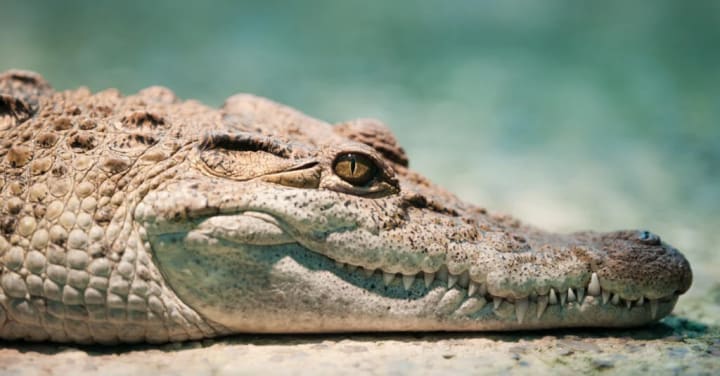
The crocodiles of the Philippines (Crocodylus mindorensis) are not faring as well as the kakapo. The species is severely dispersed in the inland wetlands of the Philippine Islands, with an estimated declining mature adult population of 92-137 members. The largest specimen collected in the wild was under nine feet long, making this crocodile lesser in length than its cousins. Fish, pigs, dogs, and waterfowl are their principal food sources as adults.
3.Vaquita

The vaquita is the world's most endangered animal (Phocoena sinus). This porpoise can only be found in Mexico's Gulf of California, in the far northwestern portion. Since 1997, when the population was recorded at 567, it has decreased to its present level of 18. Within a decade, the vaquita is likely to go extinct.
Unlike other porpoises, mature females give birth every two years on average, which is twice as long as other species. While there have been other possible dangers identified, the unregulated use of gill nets for commercial fishing has proven to be the single most lethal factor for vaquitas. According to two studies, boats from a single port were responsible for the mortality of 7-15 percent of the vaquita population in a single year.
All of these species are on the verge of extinction, and it may already be too late for some of them to be saved. The preservation of these species in the wild is a huge problem due to severely fragmented populations and a dwindling number of mature adults. In captivity, the bulk of these species have a small or non-existent population. For all of these reasons, it's more vital than ever to understand about the challenges that some of the world's rarest species face, as well as what we might be able to do to help them.
4.Red Wolf
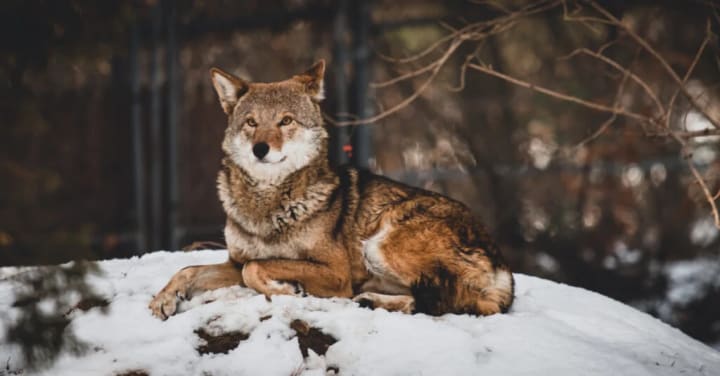
The red wolf (Canis rufus) is not just the sole North American species on our list of the world's rarest animals, but it is also one of the most endangered. This species had gone extinct in the wild by 1980, but the US government returned it to Eastern North Carolina in 1987. The reintroduction was so effective that more than 150 animals settled in the area. Concerns about cross-breeding with coyotes and disagreement with local landowners arose as a result of the rapid expansion.
As a result of the tensions, the federal government narrowed the scope of the programme to just federal properties and preserves in the state's easternmost reaches. This area can only support a pack of mature adults with a total population of 30 people. The estimated population is assumed to be below that figure and falling at current moment.
5.Amur Leopard
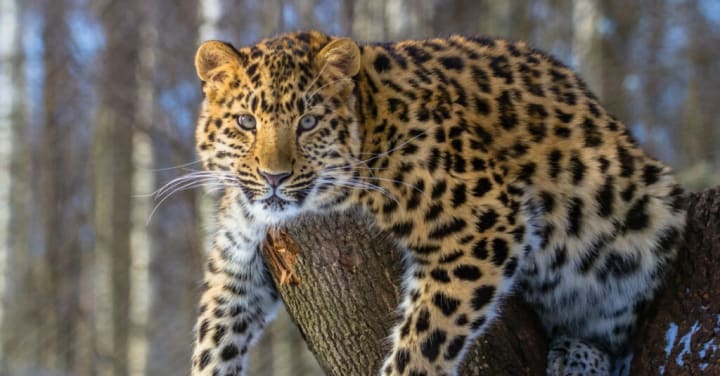
The Amur leopard (Panthera pardus orientalis) lives in Russia and China's Amur area. Its population has risen from an estimated 14 adults in 2005 to roughly 84 mature adults now, nearly entirely due to its spotted fur. The creation of a preserve in the Russian Far East region has aided the species' recent recovery, but a scarcity of prey will prevent them from returning to their old range.
This remarkable leopard, weighing 75-100 pounds, can run at 37 mph, leap 19 feet horizontally, and jump 10 feet straight up into the air.
About the Creator
Health care
Health care
Keep reading
More stories from Health care and writers in Petlife and other communities.
8 Reasons why dogs are man's best friends
People have identified dogs as one of their closest and finest companions throughout history. Dogs are the most versatile domesticated animals, serving as protectors, helpers, lifesavers, and companions. Dogs are amazing companions for people, and they have been for ages. Dogs and people have a long and storied relationship.
By Health care 4 years ago in Petlife
Off the Leash: The Essential Gear Guide for Adventurous Dogs
There’s something wildly freeing about unclipping the leash and letting your dog move the way they were built to. If you’re hiking in areas that truly allow off-lead exploration, your gear list shifts. No harness. No leash dragging through dust. Instead, it’s about smart, lightweight essentials that keep your dog safe, hydrated, and easy to manage when adventure gets messy. Long walks off lead are less about control and more about preparation.
By Shabbir Ahmad6 days ago in Petlife


Comments
There are no comments for this story
Be the first to respond and start the conversation.