
5 Home Remedies for Bad Breath in Cats
My Cat's Mouth Smells Bad

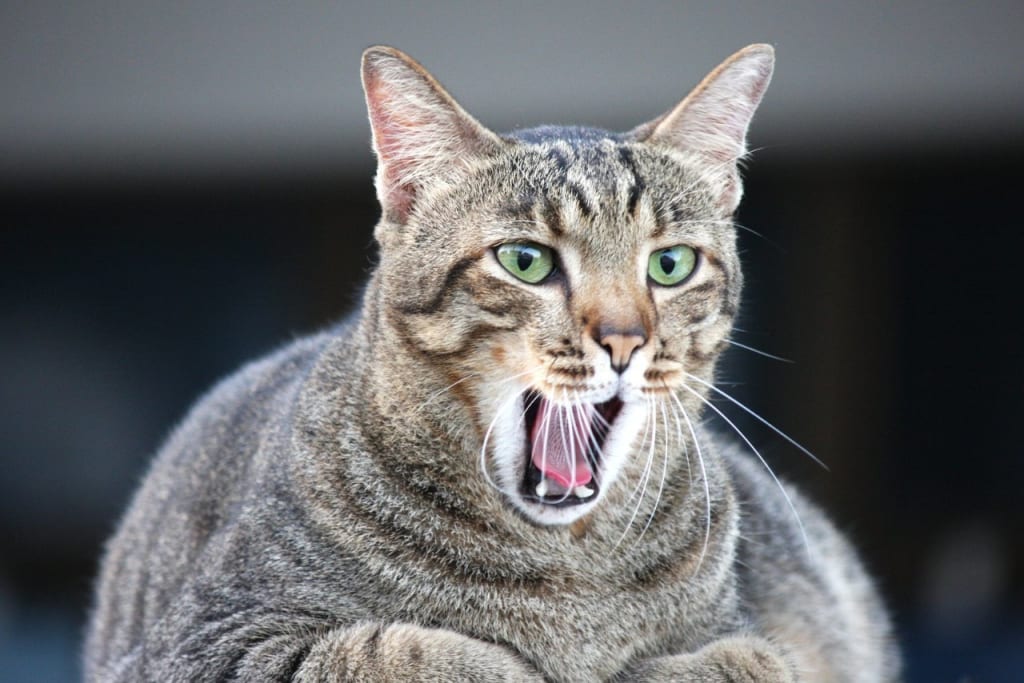
While it is fairly normal for a cat to have strong breath, it is important to remember that certain diseases or other health issues can be the underlying cause, so it’s best to speak to a veterinarian.
The home remedies in this article can help prevent bad breath, but they can't treat diseases that cause it.
1. Dental Cleaning
Despite veterinarians recommending teeth cleaning, only a small minority of cat guardians clean their feline’s teeth regularly.
Brushing teeth is the only effective way to maintain oral hygiene. It should be done with a suitable cat toothbrush or by using a finger wrapped in gauze, depending on what is most comfortable for the cat.
It is essential to use toothpaste designed exclusively for felines. Ideally, it should be done as often as possible, but always ensure the process does not cause too much stress to the animal.
The vet can provide advice on how to brush properly, in addition to following the instructions of the product manufacturer.
It is also important to gradually accustom the cat to dental cleaning, always using positive reinforcement so they associate cleaning with something pleasant. In case of tartar buildup, inflammation of the gums, or tooth loss, it will be necessary to visit the veterinarian for specialized treatment.
2. Quality Food
Offering a suitable diet with high-quality food is an excellent way to prevent and combat bad breath in cats. Although it is said that dry food acts as a toothbrush, its effect is not particularly significant.
In addition, cats do not usually chew their food much, reducing any cleaning effect of kibble.
A hard, large, and complexly shaped food can stimulate saliva production, helping to prevent tartar formation. However, normal kibble will not offer specific benefits for oral health.
Some feeds are formulated specifically for dental care and contain ingredients to help prevent the buildup of bacterial plaque.
A poor-quality diet can worsen dental health by promoting the appearance of tartar. If you opt for a homemade diet, it’s essential to follow the guidance of a veterinarian specialized in nutrition.
3. Special Treats
There are treats designed specifically to improve oral hygiene in cats. These can be offered as often as recommended by the vet or product manufacturer.
A variety of options are available on the market, including those that can be added to water, but it’s best to choose products with scientifically proven efficacy.
4. Foods for Bad Breath in Cats
Some common foods from our kitchens can help maintain feline oral hygiene, although nothing replaces brushing. These include raw carrots or apples, but they are not usually ingredients that attract cats.
These foods can provide a mechanical benefit to remove plaque, although the sugar content in apples might be counterproductive.
5. Adequate Hydration
Cats tend to drink very little water, which can result in various health problems. It’s recommended to offer a mixed diet that combines dry and wet food on a daily basis. Water helps stimulate salivation, and saliva is key to fighting bacteria that can lodge in the mouth.
To ensure the cat drinks enough, place several water bowls in different areas of the home or use a fountain—especially if the cat likes moving water. The water should always be clean, fresh, and available to the cat 24 hours a day.
Final Thoughts
Finally, we want to clarify that a cat’s bad breath can be caused by different diseases, located both inside and outside the oral cavity. If you notice your cat’s breath gives off a very bad smell—whether or not it is accompanied by other clinical signs—you should consult a veterinarian.
About the Creator
Chandan Singh Rawat
I love talking about dogs and cats.
Keep reading
More stories from Chandan Singh Rawat and writers in Petlife and other communities.
5+ Mistakes You Make When Bathing a Cat
Bathing a cat can be a challenging task for both guardian and feline. It’s important to do it correctly to avoid stress or even injury. This is why we share the seven mistakes that should be avoided when bathing a cat.
By Chandan Singh Rawatabout a year ago in Petlife
A Dart at Dusk
Seconds ago, the sullen sun set on the two of us… my exuberant furry companion and me. A fresh breeze embraces us, delivering welcome relief from the day’s oppressive heat. His typical stumbling and staggering along — apace with a sloth — has turned into trip-trapping, high-stepping, almost skipping along.
By Angie the Archivist 📚🪶9 days ago in Petlife
Your Puppy Can Feel Your Stress Instantly
The Incredible Science Behind How Puppies Sense Your Emotions and React Before You Even Realize It --- You walk into the room, shoulders slumped, jaw tight, heart racing from a stressful day. Before you even speak, your puppy is there—tail tucked, eyes alert, nose nudging your hand. Almost magically, they know something is wrong.
By Ahmed aldeabella7 days ago in Petlife


Comments
There are no comments for this story
Be the first to respond and start the conversation.