
20+ Farm Animal Group Names
Best Names For Farm Animal Groups Names

Farm Animal Group Names: A Fun Guide to Understanding Animal Groups on the Farm
Farm animals are often seen in groups, and each group has a special name that helps us understand the way these animals live and work together. From cows to chickens, knowing the group names for these animals is not only interesting but also provides insight into how they interact with each other. In this article, we will explore 30 farm animal group names, why they exist, and how they relate to the animals' behavior. By the end of this article, you will have a deeper appreciation for farm animals and their social structures.
Why Do Animals Have Group Names?
The names for groups of animals have been around for hundreds of years. These names often come from old traditions, behaviors, or sounds that animals make. Some group names reflect the animals' actions, such as how they move or work together, while others describe the way they look or sound. For farm animals, these group names help us better understand their way of life, especially in terms of how they work together for safety, food, and reproduction. Here are 30 group names for farm animals and what they tell us about these animals.
### 1. A Herd of Cows
Cows are often kept in herds, where they graze together, find food, and protect each other from predators. A herd of cows usually consists of females and their young, with one or two males. The group provides safety and support for the animals.
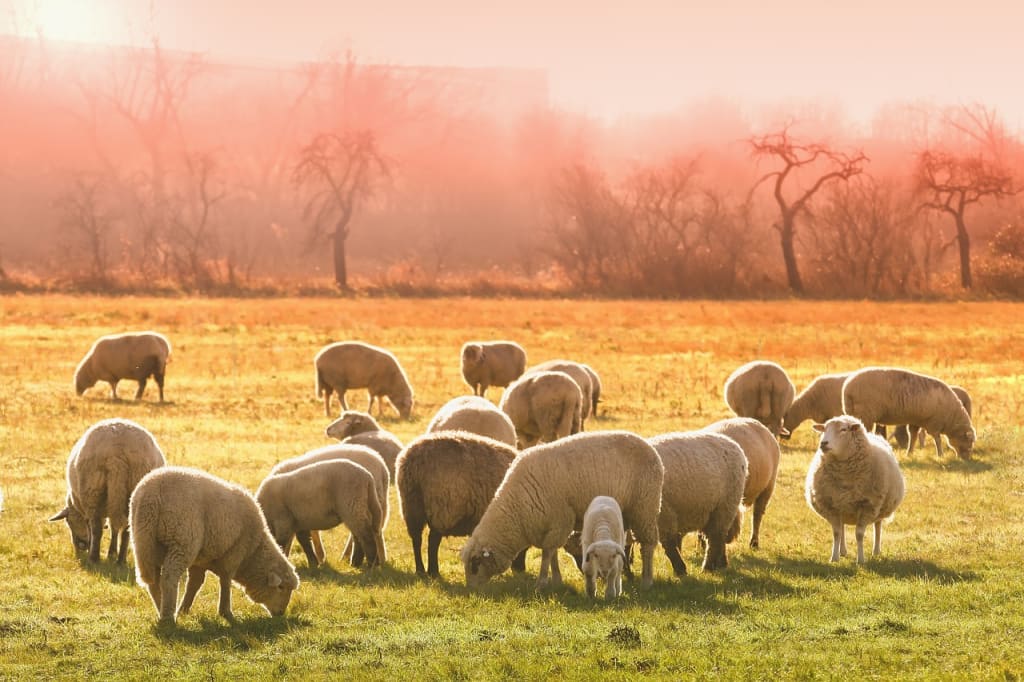
### 2. A Flock of Sheep
A flock is the name for a group of sheep. Sheep are very social animals, and they stay in flocks for protection and to help each other find food. They are gentle creatures and work together in large groups to keep safe from predators.
### 3. A Pack of Dogs
Farm dogs often work in packs to herd livestock or protect the farm. A pack of dogs can be very helpful in rounding up other animals and ensuring that everything on the farm runs smoothly.
### 4. A Gaggle of Geese
Geese on the ground are called a "gaggle." When they are flying, however, they are called a "skein." A gaggle of geese can be noisy and fun to watch as they wander around the farmyard together.
### 5. A Clowder of Cats
Farm cats, especially those that live in barns, are known as a "clowder" when they gather together. These cats are often used to keep pests like rats and mice away from the farm, and they can work well in groups to do so.
### 6. A Brood of Chicks
A group of baby chickens is called a "brood." The mother hen usually takes care of the brood, keeping them warm, feeding them, and teaching them how to find food. Chicks grow quickly and are often raised in large groups on farms.
### 7. A Sounder of Pigs
Pigs live in groups known as "sounders." These groups can be quite large, and pigs are very social animals. They enjoy rooting around in the mud and playing with one another. A sounder is also used to describe wild pigs, not just domesticated ones.
### 8. A Streak of Turkeys
Turkeys are often seen in groups, especially during the colder months when they stay close together for warmth. A group of turkeys is called a "streak." These birds often move around in a line, making it easy to see where the term "streak" comes from.
### 9. A Drove of Donkeys
Donkeys are often used for work on farms and can be found in groups called "droves." These hardworking animals are social and prefer to stay with other donkeys, especially when working in teams to pull carts or carry loads.
### 10. A Team of Horses
When horses work together to pull carts, plows, or other farm equipment, they are called a "team." These strong and dependable animals are often used on farms for heavy tasks, and a team of horses can help get the job done more efficiently.
### 11. A Herd of Goats
A group of goats is called a "herd," much like cows. Goats are curious and playful animals that enjoy living in groups. A herd of goats can be quite active and will often explore their surroundings together.
### 12. A Colony of Rabbits
Rabbits are social animals that live in large groups called a "colony." These animals are known for their ability to multiply quickly, and a colony can grow large in a short amount of time. On farms, rabbits are often kept together to breed and live in shared spaces.
### 13. A Troop of Guinea Pigs
Though guinea pigs are small, they are social creatures that thrive in groups called a "troop." These little animals often live together in barns or farm buildings, where they can keep each other company and feel safe.
### 14. A Litter of Pigs
A litter of pigs is a group of piglets born at one time. A sow (female pig) can give birth to several piglets at once, and they all stay close to their mother to nurse and grow.
### 15. A Flight of Ducks
When ducks take to the sky, they form a "flight." Ducks are often found in ponds or lakes on farms, but when they fly together, they form a flight, which can be a beautiful sight to see as they move in coordinated groups.
### 16. A Parliament of Owls
Though not often found on farms, owls sometimes live in barns or old farm buildings. A group of owls is called a "parliament," which reflects their wise and solemn nature. This name is based on their image in folklore as wise, thoughtful creatures.
### 17. A Cluster of Bees
Bees are important for pollination on farms, and a group of bees is called a "cluster." Bees can form clusters when they gather to keep warm in their hive, especially during the colder months. They work together in the hive to produce honey and pollinate plants.
### 18. A Bloat of Hippos
Though not typically found on farms, hippos sometimes appear in zoos or wildlife reserves on farms. A group of hippos is called a "bloat," referring to their large size and the way they move in water.
### 19. A Pack of Coyotes
Coyotes can sometimes be found on farms, particularly in rural areas. A group of coyotes is known as a "pack." They are often seen working together to hunt or protect their territory.
### 20. A Sleuth of Bears
Though bears are more common in the wild than on farms, they sometimes roam near rural areas. A group of bears is called a "sleuth," which refers to the way they search for food and move through the forest together.
### 21. A Gaggle of Hens
While hens are typically kept individually for egg-laying, they can also form a "gaggle" when they are seen together in the yard or barn. Hens in a gaggle often help each other find food and stay safe from predators.
### 22. A Pride of Peacocks
Peacocks are sometimes kept on farms for their beauty and as ornamental birds. When they gather, they are known as a "pride." The term reflects the beauty and elegance of these birds as they display their colorful feathers.
### 23. A Crash of Rhinos
Rhinos are large animals, and when they gather together, they form a "crash." The term likely comes from the way these animals move, making a loud, crashing noise as they move through the terrain. Though rhinos are rarely found on farms, they can be kept in wildlife reserves or zoos on farms.
### 24. A School of Fish
If a farm has a pond or small lake, fish may live in groups called a "school." Fish swim together in schools for safety and to find food more easily.
### 25. A Pod of Dolphins
Though dolphins are not typically farm animals, they may be kept in marine farms or aquariums. A group of dolphins is called a "pod." Dolphins are known for their intelligence and social behavior, and they live and work together in pods.
### 26. A Band of Gorillas
In some cases, farm wildlife reserves may have gorillas. A group of gorillas is called a "band." Gorillas live in close-knit family groups and work together to protect and care for one another.
### 27. A Troupe of Lemurs
Lemurs, while not farm animals, can sometimes be found in wildlife parks or reserves located on farms. A group of lemurs is known as a "troupe." These small, social animals enjoy living together and exploring their environment.
### 28. A Skulk of Foxes
Foxes may be seen around rural farms, especially during the night. A group of foxes is called a "skulk." They are known for their cleverness and often travel in groups to hunt or explore their territory.
### 29. A Convocation of Eagles
Eagles are not typically farm animals, but they can be found around farms in open fields or wooded areas. A group of eagles is called a "convocation," reflecting their majestic and powerful nature.
### 30. A Murder of Crows
While crows may be seen around farms, a group of crows is called a "murder." This name comes from their association with death and bad omens in old folklore. Crows are highly intelligent and often live in large, social groups.
Conclusion
Farm animals are essential to life on the farm, and understanding the group names for these animals can help us appreciate the social structures that exist among them. Whether it is a "herd" of cows or a "flock" of sheep, these group names tell us a lot about how animals live and work together. Each term offers a glimpse into the animals’ behavior and how they interact with each other in a farm environment. The next time you see a group of farm animals, you will be able to recognize their group name and understand more about how they live together!
About the Creator
Keep reading
More stories from Ankur kumar and writers in Petlife and other communities.
20+ Funny Animal Group Names
Funny Animal Group Names: Unusual and Hilarious Terms for Animal Groups The animal kingdom is full of fascinating creatures, each with its unique behavior and characteristics. One fun aspect of the animal world is how groups of animals are named. While some names are pretty straightforward, others are downright hilarious or strange. These funny animal group names often come from historical references, behaviors, or just creative descriptions. In this article, we will explore some of the most amusing and quirky group names in the animal world. Whether you are a nature enthusiast or just looking for a good laugh, these names will surely make you smile!
By Ankur kumarabout a year ago in Petlife
A Dart at Dusk
Seconds ago, the sullen sun set on the two of us… my exuberant furry companion and me. A fresh breeze embraces us, delivering welcome relief from the day’s oppressive heat. His typical stumbling and staggering along — apace with a sloth — has turned into trip-trapping, high-stepping, almost skipping along.
By Angie the Archivist 📚🪶5 days ago in Petlife
Frozen Clash: Wolf vs Bear
The morning light broke gently over the snow-covered wilderness, turning the frost into a blanket of sparkling diamonds. The forest was silent except for the soft whisper of wind moving through the icy branches. Every tree was coated in white, and the frozen ground glistened under the soft sunlight. In this serene landscape, life thrived in quiet ways, even in the harshest winter conditions.
By Bilal Mohammadi7 days ago in Petlife


Comments
There are no comments for this story
Be the first to respond and start the conversation.