
10 Great Ways How to Take Care of Your Pets
How to Take Care of Your Pets
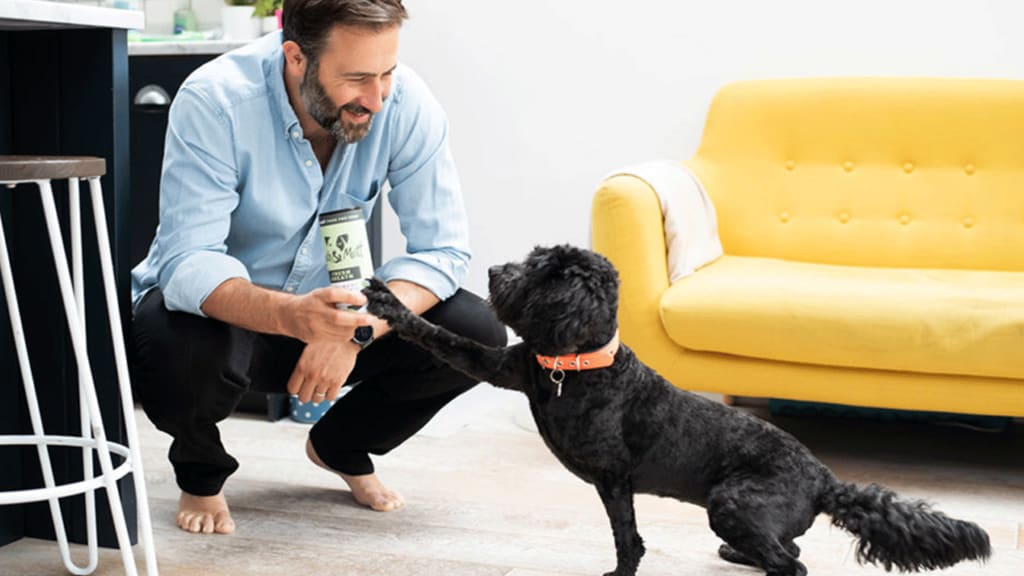
If you have a pet, there are many things you can do to keep it healthy and happy. Some of these things include exercise, a proper diet, and a safe environment. If you have a sick pet, it is important to seek out a veterinarian to ensure that your pet is getting the best care. Providing a healthy environment for your pet also means making sure that their environment is comfortable. Lastly, you should make sure that they have the right type of food for their age and size. Avoid feeding them food that contains low-quality meat, and only purchase food from reputable companies.
Exercise
Exercise is an essential part of your pet's daily regimen. Generally, pets need about an hour of physical activity per day, which you can split up into several shorter spurts. For instance, you can take your dog for a fifteen-minute walk in the morning, or throw a ball in the backyard after dinner. Cats also need plenty of stimulation and several types of toys.
Exercising your pets not only helps them burn off their excess energy but also stimulates their brain. It helps reduce stress and helps them bond with their owners. It can even help your pet overcome anxiety. In addition, exercise can help your pet cope with boredom, which can lead to destructive behavior.
While running or walking with your pet can help your pet stay healthy and active, it is important to avoid overexertion. Even young dogs are susceptible to overexertion, particularly those that are eager to please. Exercise can also cause dehydration and severe exhaustion.
Walking is an excellent aerobic activity that is low-impact on joints and is great for maintaining cardiovascular health. You can even get a dog to play a game with you as a way to bond.
Proper Diet
A proper diet for pets is necessary for healthy growth and development. The ingredients in pet foods should be balanced to ensure proper nutrient intake. A balanced diet should have the right ratio of protein, carbohydrates, fats, and other nutrients for the individual dog. Moreover, a diet should contain the right amount of energy, as an underweight dog won't eat the right amount of food.
A proper diet for pets should consist of a moderate-low fat, high-protein diet that has a low carb content. Moreover, the food should be rich in minerals and high in protein. It should also have plenty of moisture. Among these food items are fatty fish, chicken, duck, and turkey. Using a PETstock Promo Code is a great way to save money on Pet Services & Foods. You can save up to 50% off your purchase when you use a valid coupon code. PETstock has a variety of products available and many great discount codes and deals. These deals and discounts are updated daily.
In addition to high-quality protein and carbohydrates, pets should also be given a variety of vegetables. Many commercial products can be used for this purpose. But, it is important to remember that not all of these foods are safe for pets. Hence, it is important to consult a vet before you introduce a different food to your dog.
A proper diet for pets can provide the perfect life for your pet. Proper nutrition for pets requires four key ingredients: fats, proteins, vitamins, and energy. These components are essential for the pet's body. It is essential to monitor the right amounts of these ingredients as excessive intake of fat can cause obesity. Pets should also be kept away from human food, which is full of unhealthy fats.
Safe Environment
Creating a safe environment for your pet is an important step in reducing their stress levels. Several factors can affect their anxiety level, so you should keep these in mind when setting up their safe environment. First, make sure they do not have access to noisy areas in the house. It is also crucial to set their safe space away from windows and outside noise.
Second, make sure they have water available. Water is very important for dogs because it helps regulate their body temperature. Always keep a bottle of water near the area where your pet spends most of his time. The temperature in the space should also be regulated so that the dog feels comfortable. Lastly, make sure that the safe environment is large enough for your dog to relax and stretch out.
Third, you should make sure that the closets in your house do not contain any chemicals that are dangerous for pets. Many household items, including cleaning supplies, antifreeze, and dog care products, can poison your pet if they are ingested. Make sure that the chemicals in your home are locked away and can't be accessed by your pet. You should also lock up electrical cords so that your pet does not get electrocuted.
Lastly, ensure your home is draught-free and protected against extreme weather conditions. Domesticated dogs have been bred to live indoors, so it is important to keep them indoors during extreme temperatures. Also, make sure your pet has a comfortable place to sleep and hide when necessary.
Preventative Medications
Preventative medicines for pets can help detect and treat problems before they become serious. This approach is similar to how you care for your car. You check your oil and tires regularly and take your car in for routine maintenance. Your pet should also have a regular physical examination. Regular home examinations and annual veterinary exams can catch problems early and help your pet live longer.
Heartworm prevention is an example of preventative medication. The monthly dose is given to dogs and cats at eight weeks old. This medication protects against internal and external parasites. Many preventative medications have a combination effect, including flea and tick preventatives. Monthly doses of Revolution Plus are effective against fleas and ticks.
Vaccines are essential to protect your pet from deadly diseases. They can protect against distemper, rabies, and parvovirus. They can also protect against some diseases that humans contract. Vaccines also prevent costly treatments. Rabies and distemper can be deadly for pets, and if your pet is not vaccinated, they can be passed on to people. Your veterinarian will set up a vaccination schedule for your pet and guide you through the process.
Pet preventative medications can also help reduce vet bills. If you have an insurance policy, you can use your pet's cash back to help pay for preventative care. Most of these preventative care services will cost less than treating your pet when it is sick or in need of urgent care.
Housekeeping Chores
Keeping your home clean is an important part of taking care of your pet. Not only will this help you keep your home smelling fresh, but it will also help keep your pet's mess to a minimum. Regular baths and grooming will keep your pet looking its best and reduce the risk of allergens and odors. Grooming will also help keep your pet away from fleas and dust mites.
It is important to clean your pet's food bowls and bedding regularly. Dirty pet food dishes and stuffed toys can harbor germs and can cause illnesses. You can easily clean these items by rinsing them in hot soapy water. You should also make sure to clean your pet's enclosure regularly to prevent odors and disease.
While many animals can take care of themselves, some require regular grooming, particularly if their coats are long and thick. Fortunately, there are animal grooming centers that offer services that include large tubs and hoses for cleaning animals. If you want to save more money on pet tech & accessories, look no further than Pets Coupon Codes. For the most part, regular grooming should be done once every few days.
The task of looking after your pet is fun and rewarding, but it is also a serious responsibility. First-time pet owners, as well as second-time pet owners, can sometimes struggle with the demands of their new pet. Keeping track of the day-to-day needs of your pet is not always easy, and it will require some redesigning of your schedule. Signing up for veterinary clinic reminders can help keep track of your pet's health.
Contacting your Veterinarian
Contacting your veterinarian to take care of your animal is an important step toward ensuring your pet's health. If you are not sure where to begin, there are many resources online that can help. One of the first steps is to learn what your budget is and what services are necessary. Some owners will opt to have routine bloodwork done, while others may just want to schedule basic physical exams. Regardless of your preferences, it's best, to be honest with your veterinarian.
It's essential to communicate your concerns and needs with your veterinarian as soon as possible. The veterinarian's office is staffed with trained professionals who want to be of service to you and your pet. When you call, you may have to wait several minutes. Depending on the office, you may be able to speak with a technician or a staff member.
Regardless of whether you're facing a routine checkup or an emergency, it's crucial to get professional advice from your veterinarian as soon as possible. A veterinarian is the best person to provide advice regarding the treatment of your pet since he or she is familiar with its medical history. For instance, if your dog has ingested a poisonous substance, you may have minutes to act before it becomes dangerous. Contacting your veterinarian can help you avoid having to wait for hours to get the right treatment.
Conclusion
If you have no medical insurance for your pet, your veterinarian may be willing to work out a payment plan. Some vets offer special care credit to help their clients pay for their pet's medical care. You may be able to pay over time over a few months, and the doctor can then adjust the plan to suit your needs.
About the Creator
Keep reading
More stories from Kane Williamson and writers in Petlife and other communities.
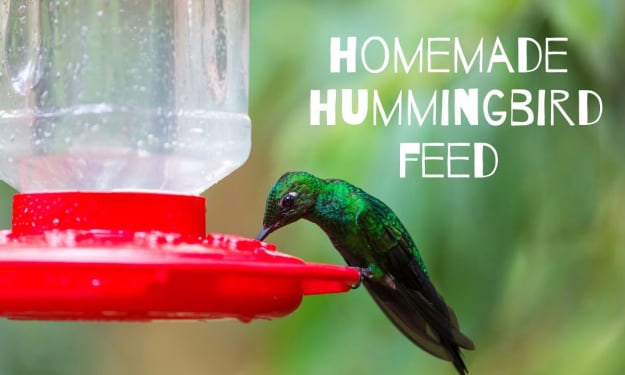
The Benefits of Homemade Hummingbird Food
If you're looking to attract hummingbirds to your yard, then homemade hummingbird food is a great way to do it. This simple recipe uses only sugar and water, which closely mimics flower nectar that hummingbirds are known to drink.
By Kane Williamson3 years ago in Petlife
A Dart at Dusk
Seconds ago, the sullen sun set on the two of us… my exuberant furry companion and me. A fresh breeze embraces us, delivering welcome relief from the day’s oppressive heat. His typical stumbling and staggering along — apace with a sloth — has turned into trip-trapping, high-stepping, almost skipping along.
By Angie the Archivist 📚🪶4 days ago in Petlife


Comments
There are no comments for this story
Be the first to respond and start the conversation.