
Why Nostalgia Drives Modern Entertainment
Exploring how the past shapes today’s movies, TV shows, and games.

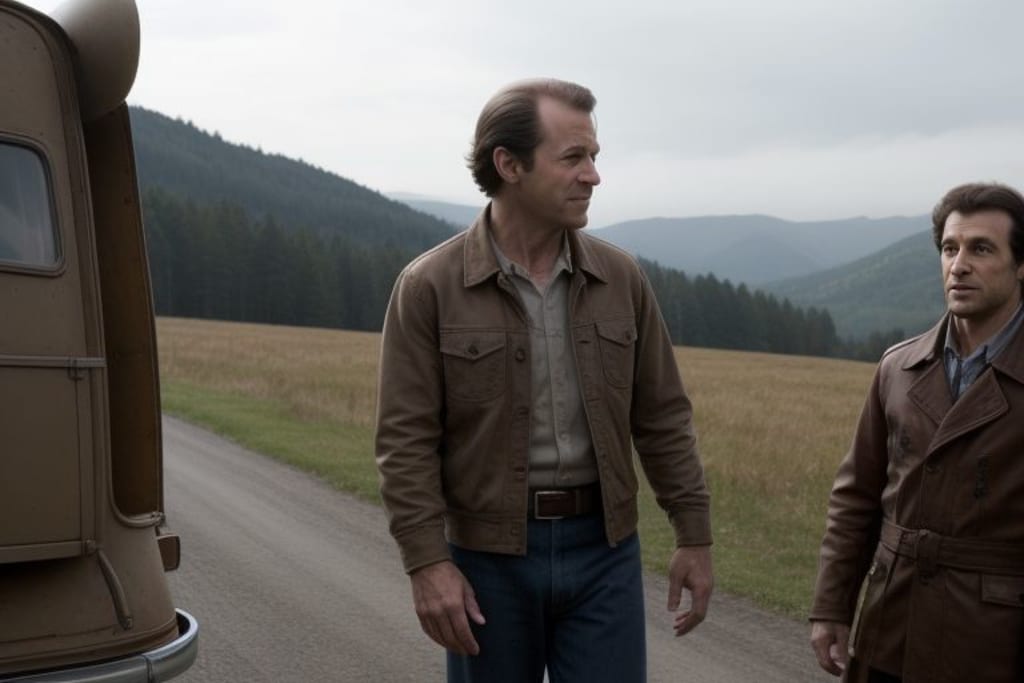
From the return of 80s-inspired TV shows like Stranger Things to the constant remakes of classic movies and video games, nostalgia has become a powerful force in modern entertainment. But why does the past hold such sway over our hearts and wallets? This article dives into the psychology of nostalgia and how it’s driving the entertainment industry.
1. The Emotional Power of Nostalgia
Nostalgia is more than a fond memory; it’s a complex emotional response that combines happiness, longing, and comfort. Studies show that reminiscing about the past can:
Boost mood: Nostalgia activates positive emotions and reduces feelings of loneliness.
Provide stability: In uncertain times, familiar stories and characters offer a sense of security.
Enhance identity: Nostalgic experiences remind us of who we are and where we come from.
Entertainment companies tap into these feelings by reviving old franchises, creating an emotional connection with audiences.
2. How Nostalgia Shapes Content Creation
Modern entertainment often blends nostalgic elements with fresh ideas to appeal to multiple generations. Examples include:
Movies and TV: Disney’s live-action remakes (The Lion King, Aladdin) and Netflix’s revival of classic shows (Cobra Kai).
Video Games: Titles like Crash Bandicoot and Final Fantasy VII Remake reintroduce beloved characters with updated graphics and gameplay.
Music: Artists often sample classic hits or incorporate retro styles into their work, bridging the gap between past and present.
3. The Role of Generational Cycles
Entertainment trends often follow generational cycles. As millennials and Gen Z come of age, content from the 80s, 90s, and early 2000s resurfaces. Why? These audiences now have:
Spending power: Adults are more likely to invest in experiences or products tied to their childhood.
Cultural influence: Social media amplifies nostalgic trends, creating demand for revivals.
4. The Business of Nostalgia
Nostalgia isn’t just an emotional tool—it’s a lucrative business strategy. Reviving familiar properties reduces financial risk for studios and creators:
Proven formulas: Known franchises come with built-in audiences, minimizing marketing challenges.
Merchandising opportunities: Nostalgia drives sales of toys, collectibles, and branded apparel.
For example, Stranger Things revived interest in 80s pop culture, boosting sales of retro clothing and music.
5. Balancing Nostalgia and Innovation
While nostalgia can captivate audiences, overreliance on it can lead to creative stagnation. Audiences crave familiarity but also value novelty. Successful projects strike a balance:
Honoring the past: Revivals like Ghostbusters: Afterlife respect the legacy of the original while introducing new characters and storylines.
Pushing boundaries: Series like The Mandalorian expand familiar universes with fresh perspectives.
6. The Future of Nostalgia in Entertainment
As technology evolves, so does the way we experience nostalgia. Virtual reality (VR) and augmented reality (AR) allow audiences to immerse themselves in iconic worlds like never before. Imagine:
Exploring Hogwarts in VR.
Reliving your favorite scenes from The Lord of the Rings in an interactive AR environment.
The entertainment industry will continue blending nostalgia with cutting-edge technology, keeping the past alive while shaping the future.
Conclusion: Why We’ll Always Love the Past
Nostalgia isn’t just a trend—it’s a timeless force that connects us to our roots and reminds us of simpler times. As the entertainment industry continues to evolve, our favorite stories and characters will remain a comforting bridge between the past and the present.
About the Creator
Raul Claudiu
I m a dreamer
Keep reading
More stories from Raul Claudiu and writers in Motivation and other communities.
Mindful Living in a Busy World
Mindful Living in a Busy World Practical ways to embrace mindfulness and find balance in a chaotic world. In today’s fast-paced world, it’s easy to feel overwhelmed. Between work deadlines, family responsibilities, and the endless notifications on our devices, finding a moment of peace can seem impossible. However, mindfulness—a practice of focusing on the present moment—offers a way to navigate the chaos and reconnect with ourselves. This article explores practical steps to embrace mindful living, even in the busiest of times.
By Raul Claudiuabout a year ago in Motivation
One Hard Thing
Stop me if you’ve heard this one before: You have the number, you know your schedule- you’ve even picked out the perfect day and time to make this appointment. Shoot, you’ve even picked out alternative days and times just in case their schedules can’t accommodate you!
By Taylor Rigsby6 days ago in Motivation
The Weight We Choose to Carry
The town of Harrow field was not marked on most maps. It was the kind of place people passed through without stopping, where streets remembered footsteps longer than faces, and where duty was not spoken loudly but lived quietly. In Harrow field, responsibility did not arrive with applause; it arrived with the morning bell, the creak of old doors, and the steady expectation that everyone would do what needed to be done.
By Farhadabout 9 hours ago in Motivation



Comments
There are no comments for this story
Be the first to respond and start the conversation.