
Why Night Sleep Is Not Optional — It's Essential for Teen Health
Discover how quality sleep helps teenagers boost brainpower, balance emotions, and unlock their full potential.

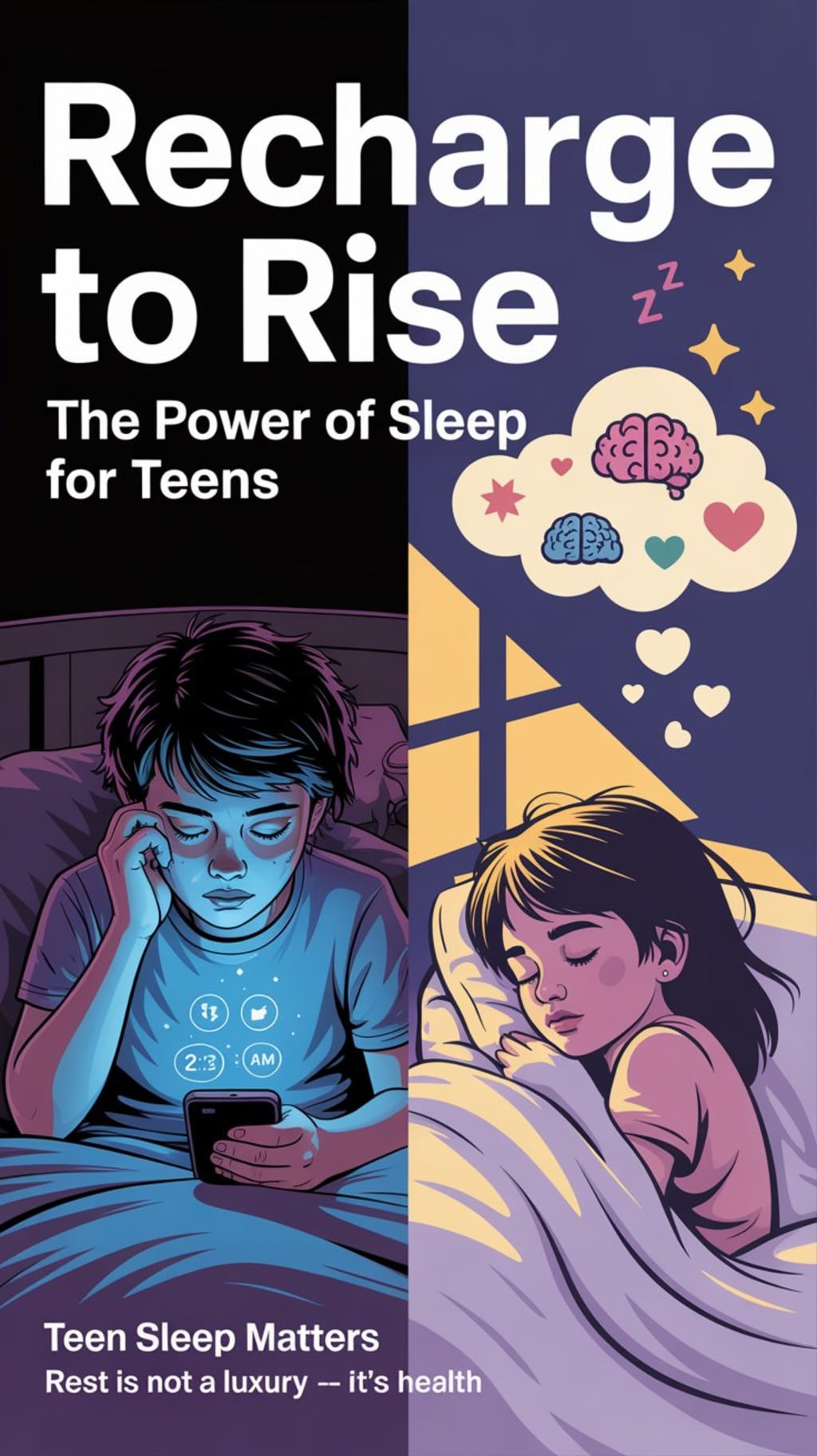
A good laugh and a long sleep are the best cures in the doctor’s book.” – Irish Proverb
In today’s fastpaced world—filled with school pressures, constant screen time, social media, and extracurricular activities—sleep often becomes the first thing teenagers cut back on. Whether it's staying up to finish assignments, watching one more episode, or endlessly scrolling through Instagram, sacrificing sleep seems harmless. But the truth is, night sleep is not a luxury—it’s a necessity for your body, mind, and emotional health.
Why Is Night Sleep So Important?
Night sleep plays a crucial role in how your body functions. It’s the time when your brain recharges, your muscles repair, and your emotions reset. Think of it as your body’s natural “reset” button. Without proper sleep, you start the next day already behind—mentally, emotionally, and physically.
Let’s explore just how powerful a full night’s sleep can be.
Boosts Brain Function and Memory
During sleep, especially deep sleep, your brain processes everything you’ve learned throughout the day. This is when memories are stored and connections are made. That’s why people often say, “Sleep on it”—your brain literally organizes your thoughts while you sleep.
If you're preparing for exams or learning a new skill, a full night’s sleep helps you retain information better. Without it, your brain struggles to focus, remember, or even stay awake in class.
2. Supports Growth and Physical Health
During deep stages of sleep, your body releases growth hormones, especially important for teens going through physical development. These hormones help in building muscle, repairing tissues, and strengthening bones.
Sleep also boosts your immune system. When you don’t sleep well, you’re more likely to catch colds, feel sluggish, or stay sick longer. A strong immune system starts with quality rest.
Improves Mood and Emotional Stability
Have you ever noticed how everything feels worse when you're tired? Small problems feel big. You get irritated easily. You might even feel anxious or sad for no clear reason.
Lack of sleep affects the emotional centers in your brain, especially the amygdala and prefrontal cortex. Without enough rest, you're more likely to overreact, feel stressed, or struggle to manage your emotions.
Sleep doesn’t just rest your body—it heals your mood. A wellrested mind is better at dealing with life’s ups and downs.
Helps with DecisionMaking and Focus
Teenagers face tons of decisions every day—from what to wear to how to deal with friends, to making academic and future career choices. Good sleep improves concentration, judgment, and decisionmaking skills.
Without enough sleep, you’re more likely to make poor choices, act impulsively, or struggle with tasks that require logic and attention. That’s why many schools and psychologists support later school start times—to align better with teens’ natural sleep rhythms.
Prevents LongTerm Health Issues
Chronic sleep deprivation doesn’t just make you feel tired—it can have serious longterm effects. Teens who consistently lack sleep are at greater risk for:
Obesity
Diabetes
Heart problems
Depression
Anxiety disorders
These health problems don’t appear overnight, but poor sleep habits in your teens can lead to bigger issues in adulthood.
Balances Hormone
Teenage years are already full of hormonal changes. But did you know that lack of sleep can throw your hormones even more out of balance?
Sleep regulates important hormones that affect hunger (ghrelin and leptin), stress (cortisol), and growth. That’s why people who sleep poorly often experience increased appetite, mood swings, and even acne flareups.
Enhances Creativity and ProblemSolving
Some of the world’s greatest ideas and inventions came from wellrested minds. A good night’s sleep fuels creativity by allowing your brain to make new connections and think more clearly. Whether you’re writing, painting, creating content, or solving math problems, your brain works better when it’s rested.
Tips for Better Night Sleep
Now that you know how important sleep is, here are some practical tips to help you build healthy sleep habits:
1. Set a consistent bedtime – Go to bed and wake up at the same time every day, even on weekends.
2. Limit screen time before bed – The blue light from phones and tablets tricks your brain into thinking it's still daytime.
3. Create a calming bedtime routine – Reading a book, listening to soft music, or taking a warm shower helps signal your body it’s time to sleep.
4. Avoid caffeine in the evening – Soda, energy drinks, and even chocolate can keep you awake.
5. Make your room sleepfriendly – A dark, quiet, and cool room makes it easier to fall and stay asleep.
How Much Sleep Do Teenagers Need?
Experts recommend 8 to 10 hours of sleep per night for teenagers. However, most teens are getting far less than that. Staying up late to study or chat with friends might feel important now, but over time, it drains your energy and affects everything from your health to your happiness.
Final Thoughts
Sleep is like recharging your phone—if you don’t plug it in long enough, it dies halfway through the day. Your body and brain are no different. Sleep isn’t wasted time. It’s when your body grows, heals, and gets ready to face a new day.
So the next time you're tempted to stay up a little longer, ask yourself: “Is this worth feeling exhausted tomorrow?”
Give yourself permission to rest. Respect your body. Protect your peace. And remember: a good night’s sleep is one of the best forms of selfcare you can give yourself.
About the Creator
Alex Farnando
I grew up in rural Appalachia, surrounded by stories, tradition, and the beauty of mountain life. I share humorous tales, heartfelt stories of love and affection, and compelling historical documentaries.
Keep reading
More stories from Alex Farnando and writers in Motivation and other communities.
The Joy of Letting Go of Comparison
Have you ever looked at someone else’s life and felt like you’re not doing enough? Maybe you saw a friend get better grades, someone on Instagram looking perfect, or a classmate winning an award, and suddenly you felt like you weren’t good enough?
By Alex Farnando10 months ago in Motivation
A Heart for Service: How Jeffrey Spina is Helping Neighbors in Need
When people talk about building stronger communities, they often point to organizations, government programs, or big charities. But what truly makes the difference, time and time again, are individuals who step forward with a genuine desire to help others. One such individual is Jeffrey Spina, a dedicated member of the Salvation Army, who has been making a lasting impact through his tireless service and commitment to social good.
By Jeffrey Spina7 days ago in Motivation
How to Remove Dark Circles Naturally at Home
Dark circles under the eyes are a common concern for many people. They can make you look tired, stressed, and older than you actually are. While expensive treatments and cosmetic products promise quick results, many natural remedies can help reduce dark circles safely from the comfort of your home.
By Stories Today3 days ago in Motivation
A Transparent Look at Vocal Challenges and Top Stories
Almost three years ago, we shared a resource article that served as a place for people to suggest new challenge prompts. We thought it would be a good idea to refresh that thread, and take the opportunity to answer a few common questions about top stories, how challenges are judged and how submissions are reviewed.
By Vocal Curation Team4 days ago in Resources



Comments (1)
Interesting!!!