
Why Mindfulness Meditation is the Next Big Wellness Trend
Let's see
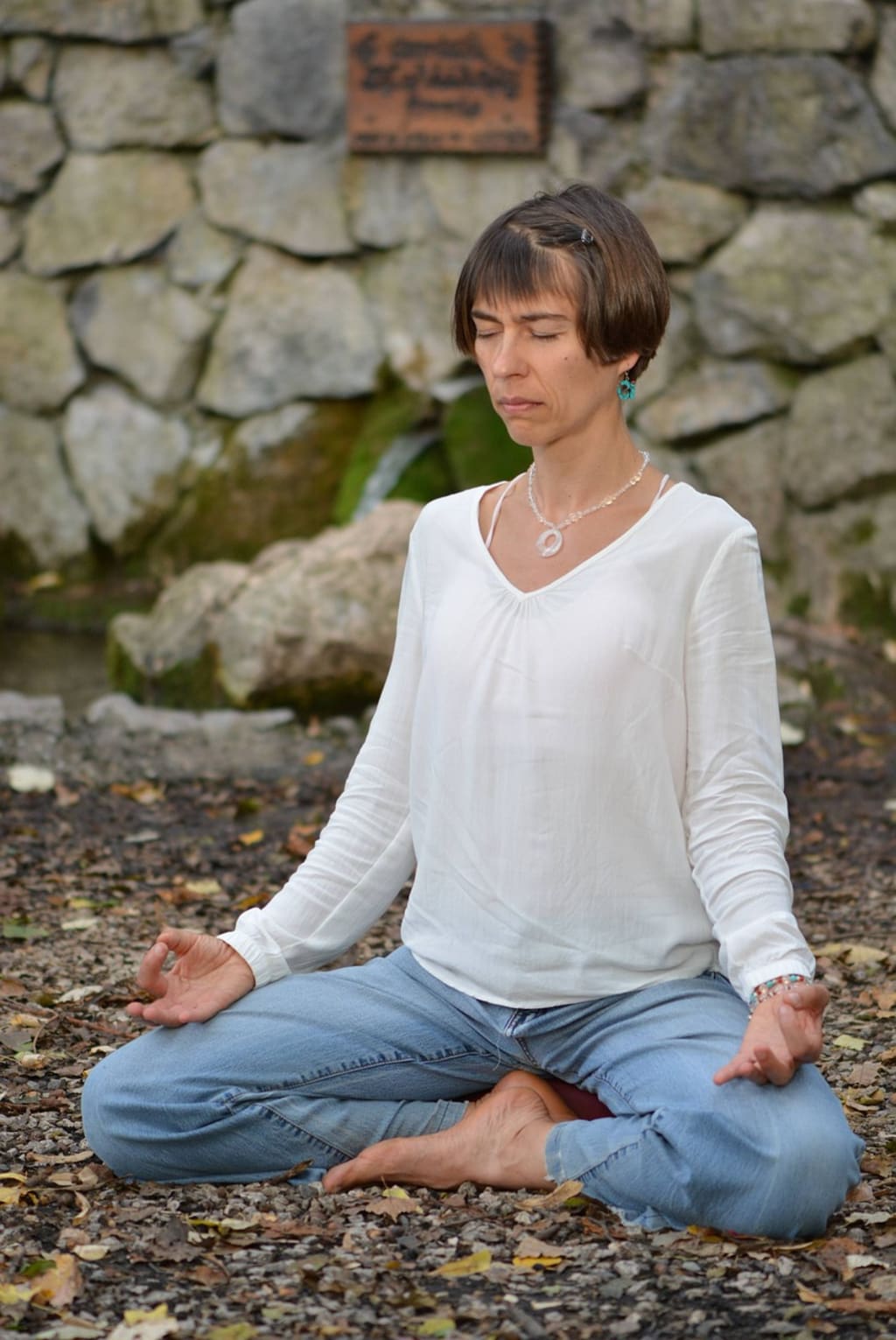
In today’s fast-paced, always-connected world, more people than ever are seeking ways to slow down, reduce stress, and improve their overall well-being. One practice that has gained massive popularity in recent years is **mindfulness meditation**. What was once seen as a niche spiritual practice has now become mainstream, embraced by everyone from top executives and athletes to students and healthcare professionals.
But why is mindfulness meditation becoming the next big wellness trend? What makes it so powerful, and how can you incorporate it into your daily life? In this article, we’ll explore the reasons behind its rise, the science-backed benefits, and real-life examples of how mindfulness meditation is transforming lives.
The Stress Epidemic and the Need for Mindfulness
Modern life is stressful. With constant demands from work, social obligations, and digital distractions, many people feel overwhelmed and exhausted. According to the American Psychological Association, stress levels have been steadily rising in the last decade. This chronic stress can lead to a host of health problems, from anxiety and depression to heart disease and weakened immune systems.
Enter mindfulness meditation—a simple, yet effective way to manage stress, cultivate awareness, and improve mental clarity. Unlike traditional meditation, which often requires strict discipline or long sessions, mindfulness meditation can be practiced anywhere, at any time, and by anyone. The beauty of mindfulness is in its simplicity: focusing your attention on the present moment, observing your thoughts and feelings without judgment.
Real-life example: Mindfulness meditation helped Arianna Huffington, founder of The Huffington Post, manage burnout and reclaim her well-being. After collapsing from exhaustion, she embraced mindfulness practices, which she now credits for improving her mental clarity and overall health.
Backed by Science: Proven Benefits of Mindfulness Meditation
What makes mindfulness meditation more than just a passing wellness fad is the mounting scientific evidence supporting its benefits. Numerous studies have shown that regular mindfulness practice can have a profound impact on both mental and physical health.
Reduces Anxiety and Depression
Research shows that mindfulness meditation can significantly reduce symptoms of anxiety and depression. By focusing on the present moment and becoming aware of your thoughts, you can create space between yourself and negative emotions, allowing you to manage them more effectively.
Pro Tip: Incorporate a 10-minute mindfulness session into your morning routine to start your day with calmness and mental clarity.
Enhances Focus and Cognitive Function
Mindfulness meditation trains your brain to stay present, which improves your ability to concentrate. Studies have found that people who meditate regularly have greater attention spans and better memory retention. It’s no wonder that top-performing professionals, such as Steve Jobs, incorporated mindfulness into their daily lives to stay sharp and creative.
Real-life example: NBA coach Phil Jackson used mindfulness meditation to help his team, the Chicago Bulls, improve focus and performance. His mindfulness techniques were a key factor in the team’s incredible success, earning them six NBA championships during his tenure.
Promotes Emotional Resilience
Mindfulness helps you develop emotional intelligence by teaching you how to observe your emotions without being overwhelmed by them. This emotional awareness allows you to respond to challenges more calmly and effectively, making you more resilient in the face of stress or adversity.
Mindfulness in the Workplace: A Growing Trend
Many companies are recognizing the value of mindfulness meditation in the workplace. Google, for example, offers mindfulness training to its employees, helping them manage stress and increase productivity. Other tech giants like Apple and Intel have also incorporated mindfulness programs, acknowledging that employee well-being directly impacts creativity and performance.
By offering mindfulness programs, companies not only reduce workplace stress but also foster a more positive work culture. Employees become more engaged, focused, and capable of handling the pressures of their job.
Real-life example: At Aetna, a large health insurance company, CEO Mark Bertolini introduced a mindfulness meditation program that led to significant results. After just a few months, employees reported a 28% reduction in stress levels, and the company saw a 62-minute-per-week increase in employee productivity.
Mindfulness for Better Physical Health
While mindfulness is often associated with mental health, its benefits extend to the body as well. Meditation has been shown to lower blood pressure, reduce chronic pain, and even improve immune function. By practicing mindfulness regularly, you can train your body to respond more calmly to stressors, reducing the harmful effects of chronic stress on your physical health.
A study from Harvard Medical School found that mindfulness meditation can trigger the body’s relaxation response, which helps reduce the production of stress hormones and promotes healing. This makes mindfulness a powerful tool for preventing and managing physical illnesses.
Real-life example: Olympic gold medalist Michael Phelps incorporated mindfulness meditation into his training regimen to improve his mental and physical health. Phelps used meditation to calm his nerves before races, which played a crucial role in his record-breaking Olympic performances.
Mindfulness in Everyday Life: How to Get Started
The beauty of mindfulness meditation is that it can be practiced anywhere, at any time. Whether you’re sitting at your desk, waiting in line, or commuting, you can take a few moments to focus on your breath and center your mind.
Here are some simple steps to get started with mindfulness:
1. Find a quiet space: Start by sitting in a comfortable position in a quiet space. Close your eyes and take a few deep breaths.
2. Focus on your breath: Pay attention to the sensation of your breath as it enters and leaves your body. If your mind starts to wander, gently bring your focus back to your breath.
3. Observe without judgment: As thoughts or emotions arise, simply observe them without reacting. Acknowledge them, and then return your focus to your breath.
4. Practice regularly: Even five minutes a day can make a difference. The key is consistency.
Pro Tip: Use mindfulness apps like Headspace or Calm to guide your meditation practice and keep you on track.
Conclusion: The Future of Wellness is Mindful
Mindfulness meditation is more than just the latest wellness trend—it’s a proven practice that offers lasting benefits for mental, emotional, and physical well-being. As more people experience the transformative power of mindfulness, it’s clear that this practice is here to stay.
Whether you’re looking to reduce stress, improve focus, or simply find more peace in your daily life, mindfulness meditation is a tool that anyone can use. With the growing body of research supporting its benefits and the increasing adoption of mindfulness programs in schools, workplaces, and healthcare, it’s clear that mindfulness meditation is shaping the future of wellness.
About the Creator
Keep reading
More stories from Prabhakar Veeraraghavan and writers in Motivation and other communities.
5 Proven Ways to Boost Your Immune System Naturally
In the world we live in today, maintaining a healthy immune system is more crucial than ever. With the constant barrage of germs, viruses, and environmental toxins, it’s essential to equip your body with the tools it needs to defend itself naturally. While modern medicine plays a vital role, there are several proven ways to boost your immune system naturally through everyday habits.
By Prabhakar Veeraraghavan2 years ago in Motivation
What’s Next for Marienna Mercedes Rathgeber Joiner?
For the past decade, Marienna Mercedes Joiner has built a reputation online as an entrepreneur, business strategist, marketing expert, and personal brand mentor helping creators and founders turn their knowledge into profitable online businesses and brands.
By Marienna Mercedes7 days ago in Motivation
Top tipple tricks
Been thinking a lot about drinking, lately. Not least because of a recent episode of over-indulgence and the inevitable after effects. Some readers may recall the earlier articles I wrote about beating the booze. Here I set out an experiment in techniques for cutting down on my alcohol intake. The experiment was successful, the techniques worked, and I have armed myself with an arsenal of weapons in the war against the demon drink. I have yet to fire the first round however. It's all a question of timing (perhaps procrastination).
By Raymond G. Taylor3 days ago in Psyche



Comments
There are no comments for this story
Be the first to respond and start the conversation.