
Why Empathy, Compassion, and Human Connection Matter
In a world increasingly driven by technology, why empathy, compassion, and connection remain irreplaceable human traits.

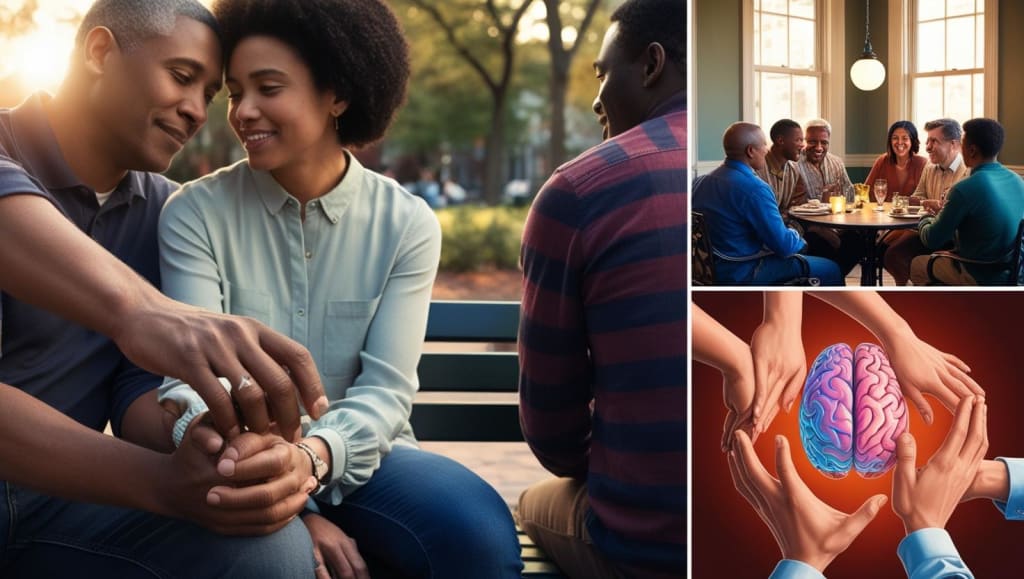
In today’s fast-paced, technology-driven world, where instant communication and digital interactions have become the norm, it’s easy to forget the importance of one simple yet powerful trait: human connection. In our digital age, AI systems and virtual interactions dominate many aspects of our lives. Despite these advances, one thing remains clear: no machine can replace the deeply human qualities of empathy, compassion, and connection. These attributes form the bedrock of strong relationships, personal well-being, and thriving communities.
In this article, we explore why empathy, compassion, and human connection matter more than ever, and how they influence our lives and the world around us.
What Are Empathy, Compassion, and Human Connection?
Before diving into their importance, it’s important to first understand what these terms mean:
Empathy is the ability to understand and share the feelings of another person. It’s the act of putting yourself in someone else’s shoes, allowing you to see the world from their perspective and respond with care and understanding.
Compassion goes a step further. It is not only the recognition of another person’s suffering but the desire to alleviate it. Compassion moves us to act on the empathy we feel—whether it’s offering support, comfort, or tangible help.
Human Connection refers to the emotional bond we form with others through shared experiences, understanding, and mutual respect. It’s the sense of being seen, heard, and valued by those around us, and it creates the foundation for meaningful relationships.
These three traits are interlinked. Empathy allows us to connect with others emotionally, compassion motivates us to support them, and human connection is the result of these combined efforts. Together, they shape how we interact with those around us and how we understand ourselves.
1. The Power of Empathy in Strengthening Relationships
One of the most powerful aspects of empathy is its ability to deepen relationships. Whether in personal friendships, family dynamics, or professional connections, empathy creates understanding and fosters emotional closeness.
In personal relationships, empathy is crucial for conflict resolution. When we empathize with someone, we not only understand their point of view but also validate their feelings. This emotional validation helps to prevent misunderstandings, reduces defensiveness, and promotes healthier communication.
For example, when a friend is going through a tough time, simply saying “I understand” or “I can imagine how you’re feeling” can have a profound effect. It signals that you are present with them in their emotions, and you are offering your support in a way that is nonjudgmental and compassionate.
In professional settings, empathy is equally important. Managers, leaders, and coworkers who show empathy are more likely to foster a positive work culture where team members feel valued. Leaders who understand the personal struggles or challenges their employees face are better equipped to offer guidance, support, and even flexibility when needed. This, in turn, increases trust and loyalty within the organization.
2. Compassion as a Catalyst for Positive Change
While empathy helps us understand and relate to others, compassion inspires us to take action. Compassion is the force that drives us to do something about the suffering or challenges we witness in others.
In a world where so many face difficulties—be it financial struggles, emotional pain, or physical illness—compassion is what enables us to step forward and help. It’s the driving force behind charitable actions, volunteering, and support systems. Compassion fuels efforts to improve not just individual lives, but entire communities.
Think about the global movements for social justice or humanitarian aid. These efforts are driven by compassionate individuals who seek to alleviate the suffering of others. Whether it’s providing clean drinking water to communities in need or fighting for equal rights, compassionate individuals make it possible for us to imagine a better world and work toward making it a reality.
On a smaller scale, compassion is crucial in everyday life. Simple acts of kindness, such as offering a listening ear to a friend or helping a neighbor in need, create ripple effects of positivity. These actions may seem small, but when multiplied across society, they have the power to create profound change.
3. The Need for Human Connection in an Isolated World
Despite the technological advancements that have brought the world closer together, many people feel more isolated than ever before. Social media, while providing a platform for connection, often results in superficial interactions that leave individuals feeling empty. True human connection—built on trust, understanding, and mutual respect—is something that cannot be replicated through a screen.
Human connection is essential for mental and emotional health. Studies have shown that people who experience strong social bonds tend to live longer, have lower levels of stress, and experience greater overall well-being. In contrast, isolation and loneliness can have serious consequences, including depression, anxiety, and even physical health problems.
In times of hardship, it is human connection that provides comfort. When a person is grieving, struggling, or simply feeling overwhelmed, having someone to talk to, to share their feelings with, can make all the difference. Human connection serves as a support system that reassures us that we are not alone.
This need for connection is evident in the rise of mental health awareness, as people seek communities where they can feel safe, heard, and supported. Whether through support groups, close friendships, or family relationships, human connection provides the foundation for healing and personal growth.
4. The Impact of Empathy, Compassion, and Human Connection on Society
When empathy, compassion, and human connection are prioritized on a societal level, the collective impact is enormous. These qualities can transform entire communities, creating environments where people feel valued, understood, and supported.
In healthcare, for example, doctors and nurses who show empathy toward their patients not only improve the patient’s experience but also contribute to better health outcomes. Compassionate care goes beyond medical treatment—it considers the emotional and psychological needs of patients, offering a holistic approach to healing.
In education, teachers who connect with their students on an emotional level create a safe learning environment where students feel encouraged to express themselves and engage fully. Students who feel understood and supported are more likely to succeed academically and emotionally.
When empathy and compassion are embedded in the fabric of society, we are better equipped to address complex issues such as poverty, inequality, and injustice. These values guide policies, initiatives, and community efforts toward creating a world where every individual is treated with dignity and respect.
Conclusion: The Unmatched Value of Human Connection
In a world that is rapidly evolving through technology, empathy, compassion, and human connection remain more important than ever. While AI and automation may change the way we work and interact, they will never replace the deeply human need for emotional connection, understanding, and kindness.
As we navigate the complexities of modern life, it’s essential to prioritize these human qualities. Empathy allows us to relate to others, compassion motivates us to act, and human connection provides the support and comfort we all need to thrive.
By embracing these values in our everyday interactions, we can create a more compassionate, connected world—one where people are not just seen, but truly understood and supported.
About the Creator
pashtonistan
Pashtonistan is a writer and creative from Afghanistan, passionate about storytelling. He explores life through words, with a simple goal: to grow as a writer and connect with others through meaningful stories.
Keep reading
More stories from pashtonistan and writers in Motivation and other communities.
Lessons Beyond the Classroom
Lessons Beyond the Classroom: A Journey of Discovery In a quaint town adorned with cobbled streets and blooming gardens lived Lucy, a curious fourteen-year-old with a penchant for questions. She was known for her endless thirst for knowledge, often found with her nose buried in books or jotting down ideas in her worn-out notebook. While most of her peers were preoccupied with video games and social media, Lucy dreamed of grand adventures, scientific discoveries, and changing the world.
By pashtonistan9 months ago in Education
One Hard Thing
Stop me if you’ve heard this one before: You have the number, you know your schedule- you’ve even picked out the perfect day and time to make this appointment. Shoot, you’ve even picked out alternative days and times just in case their schedules can’t accommodate you!
By Taylor Rigsby3 days ago in Motivation




Comments
There are no comments for this story
Be the first to respond and start the conversation.