
Why Are People Less Intelligent Than You Becoming Wealthy?
Let's explore why intelligence does not always lead to financial success and how individuals with less intellectual capability can accumulate wealth with minimal effort.


Have you ever noticed someone who seems less intelligent than you but is still earning more money? It can evoke a sense of jealousy. You might wonder if these individuals possess some hidden genius. However, the reality is that they may not be as clever as you perceive them to be.
Today, I will unveil a profound secret that the world has kept hidden from you.
Why doesn't intelligence guarantee wealth? How do unwise individuals accumulate riches effortlessly? And how can you become truly unstoppable by harnessing your intelligence effectively? If you're ready, let's embark on this emotional roller coaster.
The Myth of Intelligence
When we were young, we were taught that "if you excel in your studies, you will succeed in life. Class toppers were awarded medals, and dreams were crafted for them, envisioning futures as doctors, engineers, or IAS officers. Meanwhile, other students were led to believe that their lives would be ordinary or average. This mindset has become ingrained in us, much like moss. Consequently, even today, many individuals pursue degree after degree. After completing an MBA, they often pursue a PhD, convinced that the more they study, the more they will earn. However, this is a harsh reality. If intelligence were the sole key to success, the wealthiest individuals in the world would be scientists, doctors, or professors. What, then, is the truth?

Richard Branson, who struggled with dyslexia and dropped out of school, is now a billionaire.
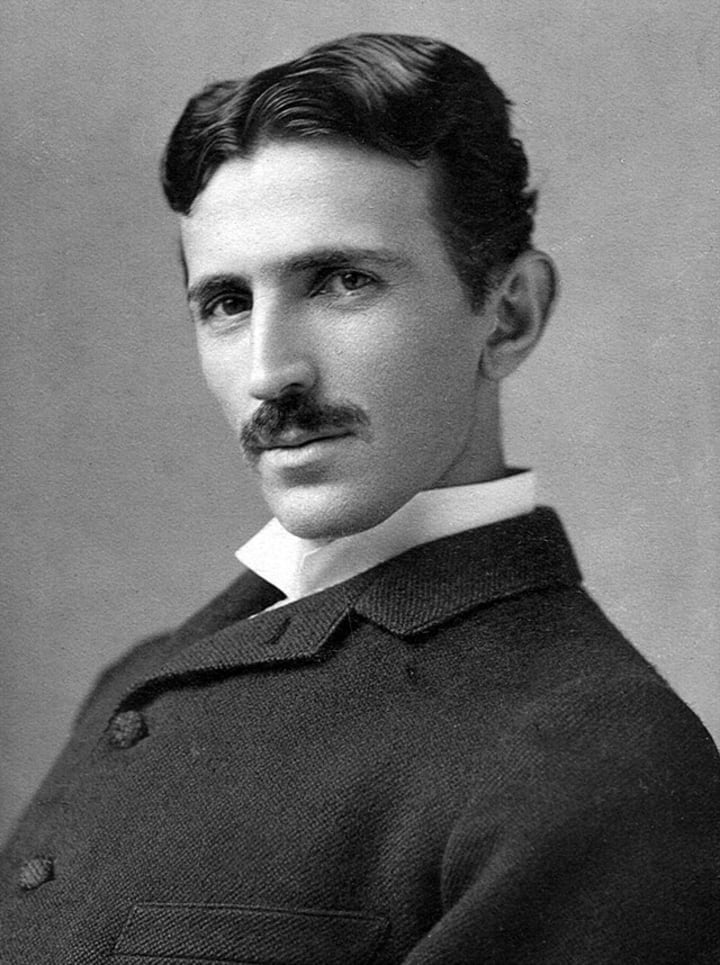
On the other hand, Nikola Tesla was one of the greatest scientists in the world, known for introducing alternating current (AC) electricity. However, he died impoverished and alone.
The concept is straightforward.
Intelligence alone cannot generate wealth; so why does it sometimes lead to losses?
Why does intelligence lead to loss?

Let's envision a scene: two individuals stand before a maze. One is a genius, while the other is an ordinary man. Dreams—money, success, freedom, and whatever else you desire—are concealed within the maze. The genius ponders deeply, creating a map and meticulously planning every detail. He analyzes every possibility. In contrast, the ordinary man ventures straight into the maze. He hits a wall, turns around, stumbles, but then rises and discovers the path by moving forward. Meanwhile, the genius remains at the entrance, focused on sharpening his pencil.
What do you understand now?
Look, is beneficial, but overthinking can be detrimental.
Genius individuals often hesitate to take action because they perceive failure as a threat to their identity. They believe that if they fail, they are not intelligent. As a result, they may spend their entire lives contemplating rather than acting.

That is why some less intellectually inclined individuals in the world earn more money: they do not allow fear to hold them back. They do not worry about what others might think, the possibility of failure, or the fear of appearing foolish. Most of them do not even consider these concerns; they simply concentrate on achieving results. Taking action is their default mindset.

That is why all the great entrepreneurs in the world are not perfect; they possess one superpower: a passion for execution.
Solution
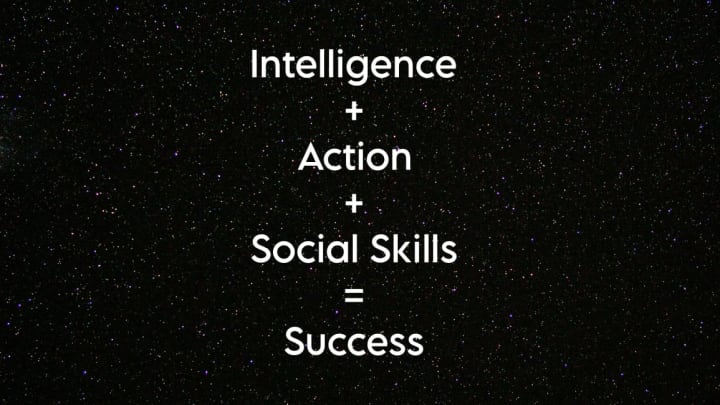
Success is attained not only through intelligence but also through action and interpersonal skills.
For example,

Look at Jeff Bezos. Jeff Bezos did not invent online shopping, but he transformed Amazon into the world's largest e-commerce platform by executing the concept more effectively.
Every person has an idea, but those who take action on that idea are the ones who change the world. In other words, actions are more important than ideas—always!
And what is the good news? Execution is not an innate talent; no one is born with the ability to execute effectively. It is a skill that can be developed through practice.
Now, let's examine an example of social intelligence.

Remember Steve Jobs? He was neither the best engineer nor the greatest coder, but he was the world's greatest storyteller. Steve Jobs inspired the most talented engineers to believe in his vision, ultimately bringing the iPhone and Mac to life. He set new standards for innovation.
Even today, money is earned in the world through storytelling and leadership, not solely through skills.
Investors invest in vision, not in spreadsheets. Customers buy stories, not products. "Be the master of your narrative.
Three Golden Rules
Don't wait for the perfect moment; life is not a before you try offer. Take action now, even if your planning is not fully developed. The right time will never arrive, my friend. You must create the right time. Take one step right now—this very moment.
Don't be afraid of making mistakes; life is like a book, and no one knows what the next page holds. Mistakes are inevitable, and they are essential for learning. Plans alone do not teach us. The true growth comes from the joy of rising after every fall.
Prioritize People: Until ideas are brought to fruition, they remain nothing more than Khayali Pulao—mere daydreams without any tangible impact.
Learn to tell stories that resonate with people's hearts. This world makes decisions based on emotions rather than logic.

Conclusion
Guys, it is not essential to become a genius in this world; what truly matters is becoming an action taker. While thinking is beneficial and learning is important, taking action is the real game changer. Once you grasp this concept, nothing can prevent you from leaving your mark on the world.
The time has come for you to make your mark. If you are ready, please write I Will" in the comments. And don't forget to subscribe.
About the Creator
Ayush Verma
Nothing is impossible; the world itself says, "I' am possible!" - Audrey Hepburn
Keep reading
More stories from Ayush Verma and writers in Motivation and other communities.
Alfa Ambir Bagwan: Leading Teams with Technical Expertise and Strategic Vision
In today’s fast-paced professional world, leadership requires a combination of technical understanding, strategic thinking, and the ability to inspire teams to achieve collective goals. Alfa Ambir Bagwan exemplifies this balance, building a career that blends technical expertise with marketing knowledge and strong team leadership.
By Thetribunemedia5 days ago in Motivation
Beyond the Profile: How Influential Women Are Redefining Leadership on Their Own Terms?
Beyond the Profile: How Influential Women Are Redefining Leadership on Their Own Terms The definition of influence is changing. It’s no longer just about a title, a corner office, or a mention in a traditional power list. Today, Influential Women are shaping industries, redefining success, and building communities on their own terms. They are founders, executives, and thought leaders who understand that true leadership isn’t about being covered—it’s about having the authority to share their own narrative.
By influentialwomenmagazineabout 24 hours ago in Motivation


Comments
There are no comments for this story
Be the first to respond and start the conversation.