
Why Am I Yelling in My Head?
Learning to Quiet My Angry Inner Driver
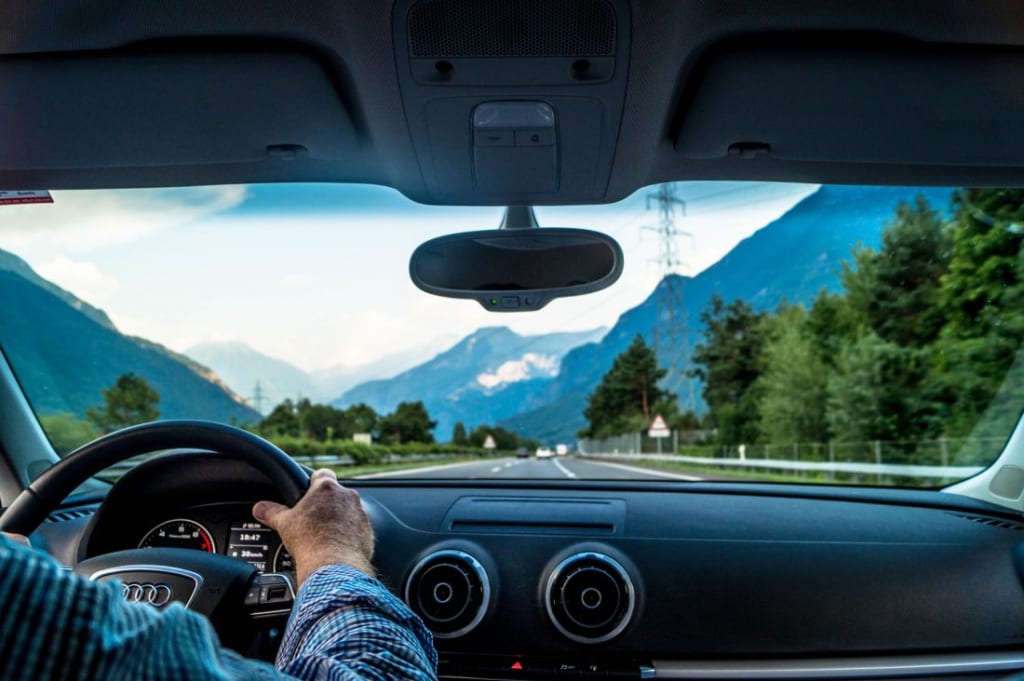
Full disclosure: If you’ve ever cut me off in traffic, I probably called you something not-so-nice—in my head, at least. My internal monologue while driving isn’t something I’m proud of. It’s sharp, impatient, sometimes cruel, and always convinced I’m surrounded by people who just can’t drive.
I don’t like that about myself.
Whether it’s frustration with slow drivers—especially older folks who seem overly cautious—or rage at the person who darts across three lanes to make their exit, my emotional responses have felt outsized. I’ve spent a lot of time behind the wheel simmering over what amounts to minor inconveniences. And lately? I’ve realized I don’t want to keep being that guy.
I want a more peaceful ride—not just on the road, but in my mind.
When You’re the Only One Paying Attention (Or So You Think)
The truth is, most of us think we’re the best driver on the road. That belief creates a dangerous feedback loop. If I’m doing everything right, then everyone else must be doing something wrong. Every missed signal, slow turn or “last-minute lane jumper” becomes personal.
But it’s not personal. It’s just traffic.
If you’re anything like me, recognizing that logic doesn’t quiet the rage. It helps, but the emotional reaction still hits first. So I started experimenting with ways to dial down the anger when it flares up.
Strategies for Easing Road Rage Before It Boils Over
1. Use a Mantra to Interrupt the Spiral
A quick, simple phrase can serve as a mental speed bump—something to stop the judgment spiral before it gains momentum.
Here are a few that work:
“Everyone’s trying to get somewhere.”
“This moment isn’t worth my peace.”
“Assume good intentions.”
“They’re not in my way. I’m just in a hurry.”
“What if that was someone I love?”
The goal isn’t to excuse inconsiderate behavior. It’s to stop yourself from becoming someone inconsiderate in response.
2. Name the Feeling (Out Loud, if Needed)
Try saying, “I’m feeling really impatient right now,” or “That made me angry.” It seems simple, but naming emotions helps bring your thinking brain back online.
Even better? Say it in a goofy voice. It breaks tension fast. I once yelled, “I AM A GRUMPY GOOSE!” and immediately laughed at myself.
3. Count the Inconvenience in Seconds, Not Stories
That guy who merged late? Maybe he cost you 10 seconds. But your brain is already writing a whole story: “He’s selfish, reckless, lazy.”
What if you just said, “Ten seconds. Not my favorite. Moving on.”
Ten seconds isn’t worth ten minutes of being upset. Definitely not an hour.
4. Reframe the Situation
This one takes practice, but reframing helps you feel like you’re choosing peace—not surrendering it.
Instead of “That slow driver shouldn’t be on the road,” try “That person is being cautious. That’s okay. I’ll get there.”
Instead of “This idiot cut me off,” try “Maybe they’re having a bad day—or just made a mistake.”
We’ve all made driving mistakes. I’ve taken wrong exits. I’ve cut someone off without meaning to. I’ve braked too late. Remembering that helps me extend a little grace.
Why This Actually Matters
Driving might seem like an isolated environment, but how we drive reflects how we handle stress. It shows our expectations, our tolerance, and the way we talk to ourselves about other people.
If our internal voice is always on edge, always accusing, always ready to explode, that’s not just about traffic. That’s about everything.
For me, the goal isn’t just calmer driving. It’s a quieter mind. A little more trust. A little more kindness—even when nobody hears it.
What’s Helped Me Most
I’m still working on it. I still mutter. I still roll my eyes. But I’ve started using those moments as practice—little tests of my patience and empathy.
The biggest shift came when I asked myself this:
“Do I want to be right about other drivers being awful, or do I want to feel okay?”
Turns out, I want to feel okay.
How do you keep calm behind the wheel? Got any mantras or tricks that stop you from spiraling? Let me know in the comments—I’m always looking to add new tools to the glovebox.
About the Creator
Keep reading
More stories from Joe Kelvie and writers in Motivation and other communities.
How to Remove Dark Circles Naturally at Home
Dark circles under the eyes are a common concern for many people. They can make you look tired, stressed, and older than you actually are. While expensive treatments and cosmetic products promise quick results, many natural remedies can help reduce dark circles safely from the comfort of your home.
By Stories Today3 days ago in Motivation
Reflecting on the Last Ten Nights of Ramadan: Are We Truly Changing
Ramadan arrives each year like a gentle reminder from Allah Mighty. How about said a pause, a reset, a chance to return to ourselves. Yet as the last ten nights approach, I find myself wondering: Are we truly absorbing the blessings of this holy month, or we simply moving through familiar routines?. This question has bee sitting with me, especially when the life's unexpected challenges made me reflect more deeply on what real spiritual change looks like.
By Uzma5 days ago in Motivation
A Transparent Look at Vocal Challenges and Top Stories
Almost three years ago, we shared a resource article that served as a place for people to suggest new challenge prompts. We thought it would be a good idea to refresh that thread, and take the opportunity to answer a few common questions about top stories, how challenges are judged and how submissions are reviewed.
By Vocal Curation Team4 days ago in Resources


Comments
There are no comments for this story
Be the first to respond and start the conversation.