
When the World Visits: How Tourism Shapes Modern Nations
Exploring how countries reinvent themselves through the power of travel and culture.

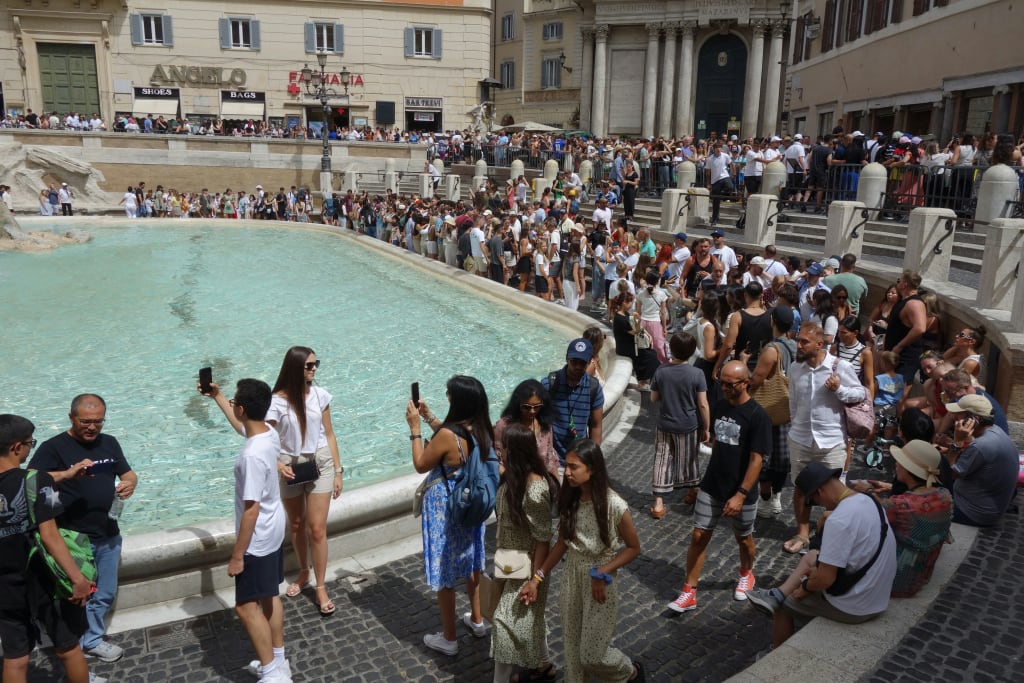
Tourism is more than just a passport stamp or a camera full of snapshots. It is, in many ways, the engine that drives nations toward modernity. From the gleaming skyscrapers of Dubai to the bustling streets of Tokyo, countries around the globe have recognized that opening their doors to travelers isn’t just about sharing culture—it’s a powerful tool for economic growth, technological advancement, and social transformation.
When tourists arrive, they bring more than money. They bring curiosity, expectations, and a demand for experiences that are seamless, exciting, and often cutting-edge. In response, countries invest heavily in modern infrastructure—efficient airports, fast public transport, luxury hotels, and digital services. Consider Singapore, a city-state that transformed itself from a small trading port into a hub of innovation, green architecture, and world-class attractions. Its success is inseparable from its appeal to international visitors.
Dubai is another striking example. Just a few decades ago, it was a desert trading town; today, it boasts the tallest building in the world, artificial islands shaped like palm trees, and some of the most luxurious hotels and shopping destinations on the planet. The UAE’s transformation wasn’t accidental—it was a strategic investment in tourism as a catalyst for modernization. Every museum, theme park, and shopping mall tells a story of ambition fueled by global interest.
But modernization isn’t just about buildings and technology—it’s also about cultural presentation. Nations carefully curate their identity for tourists, balancing tradition with novelty. Think of Japan, where centuries-old temples sit alongside futuristic shopping districts, or Morocco, where vibrant souks coexist with luxury resorts. Tourism encourages these countries to preserve what makes them unique while innovating for the modern traveler. Even the way cities market themselves—through festivals, cultural exhibitions, and sustainable initiatives—is influenced by the presence of international visitors.
The economic impact is undeniable. According to the World Travel & Tourism Council, tourism accounts for 10% of global GDP, employing millions worldwide. Countries like France, Thailand, and Italy rely heavily on tourism revenues to fund public services, protect cultural heritage, and finance urban development. Beyond numbers, tourism motivates nations to adopt sustainable practices, invest in public spaces, and improve services for residents as well as visitors. Streets become cleaner, transportation more efficient, and attractions more accessible, creating benefits that last long after the tourists leave.
There’s also a soft power dimension. When people from different corners of the world visit a country, they leave with stories, impressions, and connections. Tourism becomes a form of diplomacy, shaping perceptions and fostering global understanding. Modern nations recognize this, promoting cultural festivals, exhibitions, and events designed to create lasting memories—and loyalty—from international guests. Countries are no longer just competing economically; they’re competing to leave a positive impression in the minds of travelers, hoping those impressions translate into global influence.
Tourism also encourages innovation. The demands of visitors often push countries to invest in technology, hospitality, and urban planning. Airports are equipped with smart systems, hotels adopt eco-friendly solutions, and cities experiment with public spaces designed for comfort and connectivity. Even remote areas that attract niche tourism, like Iceland’s geothermal spas or Bhutan’s trekking routes, see modernization ripple into infrastructure, communication, and safety.
However, the journey isn’t without challenges. Countries must navigate over-tourism, environmental concerns, and the delicate balance between modernization and cultural authenticity. Venice, Barcelona, and Bali are examples where tourism brings immense profits but also strains resources and disrupts local life. Still, for many nations, the rewards outweigh the risks. Tourism serves as a mirror, reflecting what a nation can become and inspiring bold steps toward modernization.
Ultimately, when the world visits, nations evolve. Cities expand, services improve, and citizens experience a better quality of life. Tourism is more than a fleeting economic boost—it is a transformative force, a bridge between cultures, and a catalyst for modernity. Every skyscraper, every luxury resort, and every cultural performance is a testament to the subtle yet powerful influence of global travelers.
So the next time you plan a trip, remember: your journey doesn’t just impact your memories—it shapes the future of the places you visit. Every hotel check-in, guided tour, and souvenir purchase contributes to a larger story of progress, cultural exchange, and global interconnectedness. By exploring the world, you are also helping the world grow—one traveler at a time.
About the Creator
Manal
Storyteller,dreamer and lifelong learner,I am Manal.I have 3 year experience of artical writing.I explore ideas that challenge,inspire and spark conversation.Jion me on this journey of discovery.
Follow me on Pinterest @meenaikram918
Keep reading
More stories from Manal and writers in Motivation and other communities.
The Path I Had to Walk Alone
I grew up in a small town where everyone seemed to know exactly who I was supposed to be. The rules weren’t written, but they were loud and clear: go to college, get a stable job, marry someone “suitable,” and never stray too far from the path.
By Manal3 months ago in Motivation
Looking back: 2025 was a beast
It's difficult to know how to start this. I've suggested that it's been a tough one from my title and in many ways, it has; however, there is an argument that it's not been that extraordinary at all, merely this wonderful thing we call "life" with all its climaxes and pitfalls.
By Rachel Deeming27 days ago in Motivation
THE NATURE OF ABUSE
The nature of abuse is fundamentally defined by an imbalance of power and control, where one seeks dominance to achieve obedience within the powerless state of another. The path to restorative peace, emancipation, and freedom must reside within the state of truth. To become a catalyst of change one must force the mask to drop for transparency and accountability to emerge. The façade or persona others may project to the world, often conceals their core real true-self. True character is often revealed within moments of critical crisis, where someone who has experienced grave injustice, torture, ridicule, resistance to help, or silencing is forced to walk without assistance. Within moments of despair one enters into the ascended state of revelation, awakening, and enlightenment of the true self. One must acutely address and recognize where policy, legislation, legal frameworks, leadership, or lack of compassionate care or empathy may not be apparent. What resides or lies beneath, will always emerge to the surface within time, especially when another’s superficial mask drops. What is often revealed is the performative façade is no longer evident. Within the critical moments of relationships, genuine intent is demonstrated by compassion, understanding, support, and a willingness to set aside personal selfish interests for the common good of all. Unfortunately, within the realms of cruelty or manipulative intent, there can be a stark contrast to the reality initially being presented prior by the abuser, as the charm inevitably fades. Survivors of abuse can identify a change in character when loss of control is evident. Within the moments of absence, indifference, apathy, or silence, abusers are often challenged in the sense, that they must confront what they have inevitably become. Abusers are often publicly caught in a lie that they cannot explain away. A turning point emerges for a victim of abuse, when there is a shocking devastating realization that the person they confided in, was engaging in a performance act. This knowledge can be a catalyst for a victim to begin their healing journey and leave an abusive relationship, as it provides certainty, that their instincts and moral judgement were correct all along.
By ELISABETH BABARCI 4 days ago in Motivation
Wild Card Weekend Recap: What Happens Now?
I think I figured out why I love Wild Card Weekend so much. It's because it's the first playoff anything of the calendar year. The NFL season starts in the fall, and once upon a time, the champion was crowned either on or slightly before New Year's. The evolution of the NFL schedule has resulted in the playoffs starting just into the New Year, and currently, the final week of the season falls on the first weekend of the New Year, with Wild Card Weekend coming a week after that. So yes, chronologically, the NFL's Wild Card Weekend serves as the first playoff anything of the calendar year.
By Clyde E. Dawkins6 days ago in Unbalanced




Comments
There are no comments for this story
Be the first to respond and start the conversation.