
When the Strong One Breaks
No One Checks on the Person Who Holds Everyone Together—Until It’s Too Late

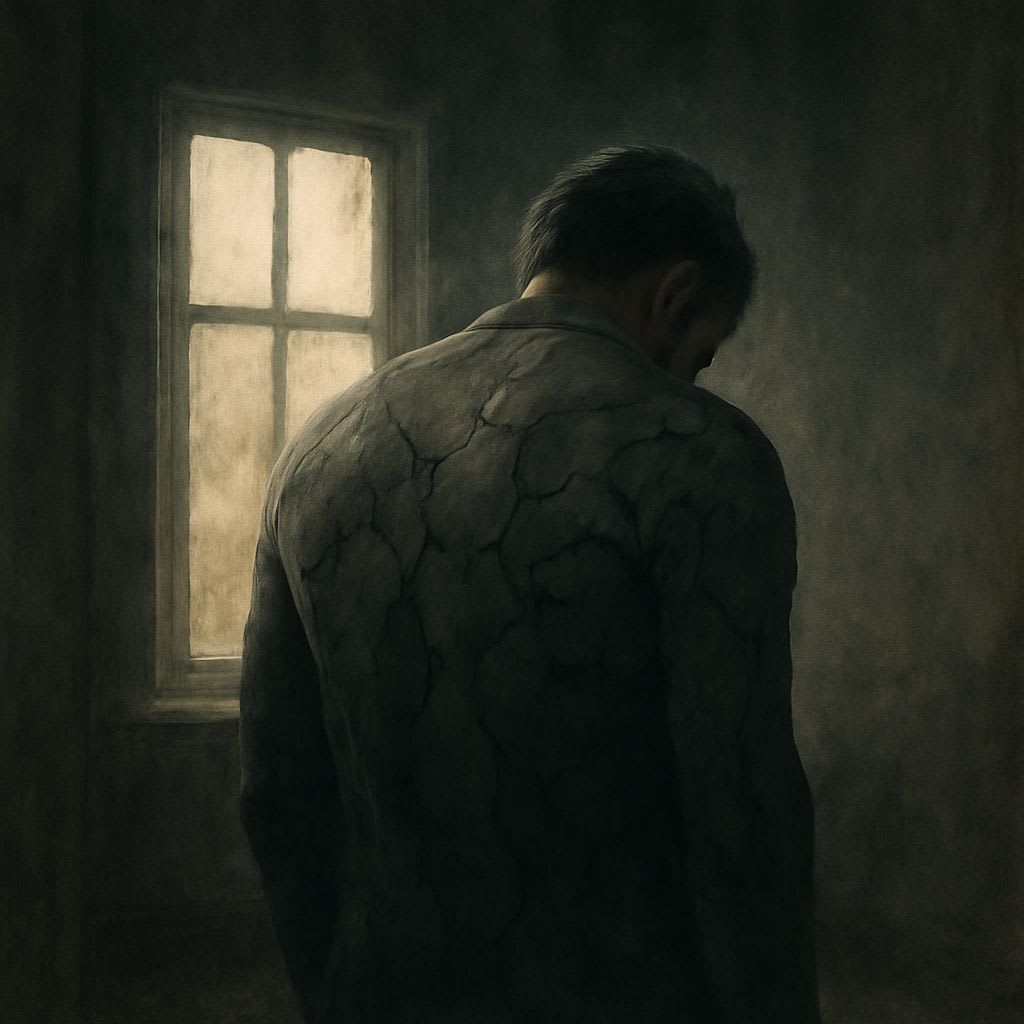
I was the “strong one.”
The dependable sibling, the reliable friend, the go-to coworker. If there was a crisis, I handled it. If someone was falling apart, I held them up. I gave advice. I sent late-night “you’ve got this” texts. I made people laugh when they were crying and carried weight that wasn’t mine because that’s what strong people do, right?
But here’s the thing no one tells you: being the strong one means becoming invisible.
Everyone sees your strength. No one sees your struggle.
At first, I didn’t mind. I liked being needed. It felt good to be the anchor in other people’s storms. I thought it made me valuable. I thought it made me loved.
And maybe, in some way, it did. But only as long as I was useful.
People came to me to be fixed, to be calmed, to be heard. But when the ache in my chest wouldn’t go away, when I stopped sleeping and started crying in the shower just to keep the tears hidden—no one noticed. Or if they did, they didn’t ask.
After all, I was the strong one.
I remember one day in particular.
I had just finished helping a friend through a brutal breakup. Hours of phone calls, late-night drives to her apartment, a carefully worded message to her ex that she was too shaken to write herself. The next morning, I showed up at work with red eyes and a hollow smile. My manager gave me a pat on the back for “always keeping it together.”
I nodded and went to the bathroom to cry.
The irony? I didn’t even know why I was crying. There wasn’t one big event that pushed me over the edge. It was the accumulation of everyone else’s pain, layered over my own silence. A slow erosion.
Over time, I started pulling away. Not because I stopped caring—but because I had nothing left to give.
I stopped replying to messages right away. I canceled plans. I turned my phone off more often than not. I told myself I was just tired, just busy—but the truth was, I was breaking.
Still, no one checked in.
People noticed I was “quiet lately,” but they assumed I was just being me. That I was handling it. That I’d bounce back. Because I always did. Because I had to.
Because that was my role.
And that’s the most painful part.
When you’re always strong, people forget you’re human.
They forget you get lonely. That you get tired of being the one who holds everyone together. That some nights, you wish someone would just sit beside you and say, “You don’t have to be strong right now. I’ve got you.”
But that moment never came.
The closest was a coworker who half-joked, “You’re like a robot—nothing ever gets to you.” I laughed along, but inside I wanted to scream, “I’m drowning.”
Eventually, my body gave me no choice.
I started having panic attacks. My appetite vanished. I’d wake up feeling like I hadn’t slept at all. One morning, I sat on the edge of my bed and couldn’t convince myself to get up. I called in sick—not with the flu, not with COVID, but with something far harder to name: emotional collapse.
That day, I didn’t answer any messages. I didn’t smile. I didn’t try. I just existed in the quiet, letting the weight of everything I had carried finally settle on top of me.
And for the first time in years, I asked myself: What about me?
What about my needs? My heart? My exhaustion?
I started therapy a week later.
It felt selfish at first—spending time and money on myself. Talking about my feelings when there were people out there with “real” problems. But my therapist said something that stuck with me:
“Even the strongest beams collapse when they’re never reinforced. You’re allowed to be held too.”
So I began to unlearn the belief that I had to do it all alone.
I started saying “no.” I started answering honestly when people asked, “How are you?” I began letting others carry a little of the weight, even when it made me uncomfortable.
Some people drifted away. Not out of malice—but because they didn’t know how to be there for me when I wasn’t strong. That hurt. But it also cleared space for people who stayed. People who didn’t flinch when I cried or admitted I was lost.
And slowly, I healed.
I’m still the strong one sometimes. But now, I’m also the honest one. The vulnerable one. The one who knows that real strength isn’t about silence—it’s about truth.
So if you’re reading this and you’re the strong one—the one who keeps it all together—I want you to know something:
You don’t have to carry everything.
You’re allowed to fall apart.
You’re allowed to be cared for.
You’re allowed to stop pretending.
And if no one else checks in on you, let this be your reminder:
I see you. I know how heavy it’s been.
And you don’t have to do it alone anymore.
If you’ve always been the strong one, this is for you. You don’t have to hold the world together by yourself. You matter. And it’s okay to ask for help.
— Nadeem Shah
About the Creator
Nadeem Shah
Storyteller of real emotions. I write about love, heartbreak, healing, and everything in between. My words come from lived moments and quiet reflections. Welcome to the world behind my smile — where every line holds a truth.
— Nadeem Shah
Keep reading
More stories from Nadeem Shah and writers in Motivation and other communities.
Strong on the Outside, Silent on the Inside
written By Nadeem Shah They say I’m the strong one. Friends call me when their world is falling apart. I’m the first to arrive and the last to leave. I listen, nod, reassure. I offer rides, cover shifts, lend money I barely have. I remember birthdays, support goals, and say “I’m fine” even when I’m anything but.
By Nadeem Shah 8 months ago in Motivation
The Significance of Expanding Your Perspective
Everyone thinks that entrepreneurs start with one big, brilliant idea and go off that one idea for the rest of their lives. But in reality, most businesses grow with a small idea and expand to new opportunities over time.
By Aydn Young3 days ago in Motivation



Comments
There are no comments for this story
Be the first to respond and start the conversation.