
What is a vegetarian diet?
Benefits of a plant-based diet rich in protein

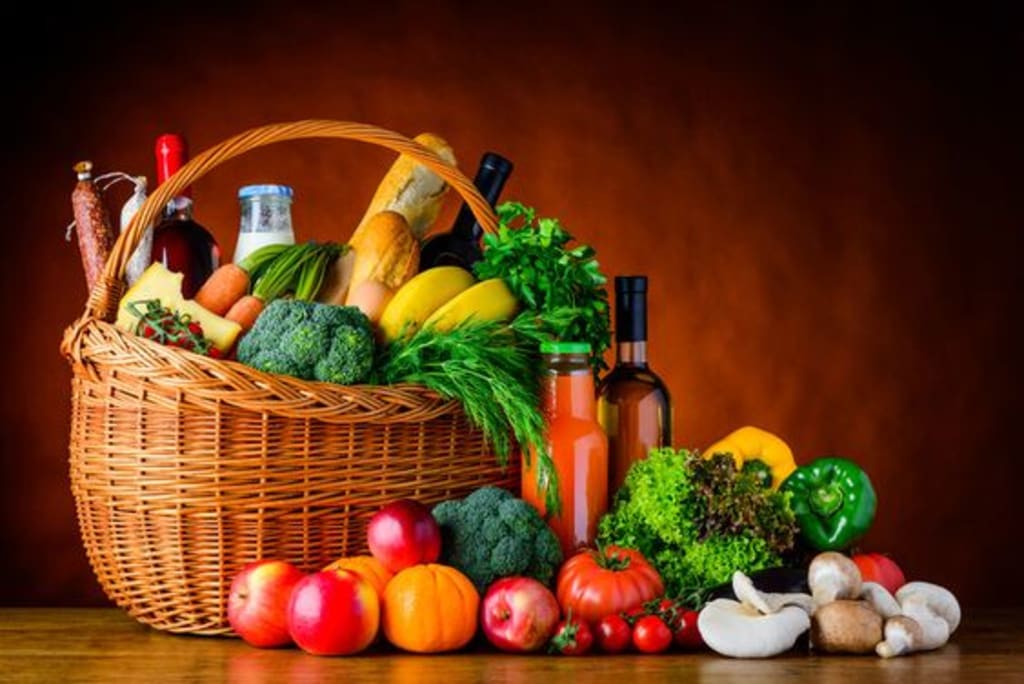
A vegan diet is a dietary pattern based primarily on plant foods, and completely eliminating or greatly reducing the intake of animal products. A vegan diet includes eating vegetables, fruits, whole grains, nuts, seeds, and legumes, as well as some prepared plant-based products such as plant-based milk and butter.
The vegetarian diet can be divided into several types, including:
Strict vegetarianism (true vegetarianism): All animal products are excluded including meat, fish, poultry, eggs, dairy products and honey.
Dairy vegetarianism (lacto-vegetarianism): Animal products such as milk, butter, and vegan cheese are included, but meat, fish, and poultry are excluded.
Vegetarian diet with fish (Pesectarian): Fish are included in the vegetarian diet, but meat and poultry are excluded.
Balanced vegetarian diet: Emphasis is placed on eating a variety of plant foods including vegetables, fruits, whole grains, seeds, nuts, and legumes, and may include small amounts of animal products.
The vegetarian diet is very popular among people who adopt a healthy lifestyle and care about the environment and the well-being of animals. Much research has shown the health benefits of a plant-based diet, including a lower risk of heart disease, strokes, diabetes and cancer, as well as the environmental benefits of reducing the consumption of animal products.
Benefits of a plant-based diet rich in protein
It raises controversy about a vegetarian diet and whether it can provide adequate amounts of protein for human health. Although meat and animal products are primary sources of protein for many, there are many vegetarian options that can provide adequate amounts of these important nutrients. In addition, switching to a plant-based diet has many health benefits.
1. Protein in a vegetarian diet:
Although in some cases the protein in a vegetarian diet may be lower than in a diet that includes meat, with good planning, people who follow a vegetarian diet can get enough protein for their daily needs. Grains, legumes, nuts and seeds are rich sources of protein.
2. Health benefits:
Reducing the risk of heart disease: Many studies have shown that a vegetarian diet can reduce the risk of heart disease, high blood pressure, and harmful cholesterol levels.
Improve digestive function: A high-fiber diet such as vegetarianism can promote digestive health and reduce problems such as constipation and intestinal irritation.
Promoting healthy weight: Transitioning to a plant-based diet may help control weight and maintain overall body health.
3. How to increase the amount of protein in a vegetarian diet:
Include a variety of sources: Protein can be obtained by eating a variety of plant foods such as whole grains, legumes, nuts and seeds.
Paying attention to nutritional balance: It is important that the diet be balanced and include all the essential nutrients in addition to protein, such as vitamins, minerals, and fiber.
Plan meals carefully: You can eat balanced meals that contain different sources of protein during the day, ensuring that you get a sufficient amount of it.
In conclusion, a vegetarian diet can provide adequate amounts of protein if planned carefully. In addition, switching to a plant-based diet can contribute to improving overall health and preventing many diseases.
What can you eat
Plant foods such as colorful vegetables, fresh fruits, whole grains such as brown rice and oats, legumes such as beans and lentils, and nuts and seeds such as almonds, cashews and quinoa. Some prepared vegan products such as almond milk and vegan butter can also be included in a vegan diet.
Diversity in a plant-based diet helps ensure you get all the essential nutrients your body needs, including protein, healthy fats, fibre, vitamins and minerals. Delicious, balanced meals can also be prepared using plant-based ingredients, making eating both enjoyable and nutritious at the same time.
What you can't eat
There is nothing I cannot eat on a vegan or any other diet. However, I can point out foods that are often excluded in a vegetarian diet. These include animal products such as meat (beef, poultry, fish, seafood), dairy products (milk, cheese, butter), eggs and honey. In addition, some non-vegetarian ingredients that may be derived from animal products, such as gelatin, yogurt, and preparations containing fish oils, can be avoided.
7-day plant-based protein diet plan
This is a typical seven-day vegan diet plan, focusing on plant foods and providing variety and complete nutrition:
Day 1:
Breakfast: oatmeal cooked with almond milk and diced fruit.
Lunch: Green salad with black beans, tomato pieces, onions, and lemon sauce.
Dinner: A meal consisting of cooked brown rice with peas, carrots, and fried mushroom slices.
Day 2:
Breakfast: Whole-grain toast with peanut butter and pieces of fruit.
Lunch: Whole pasta meal with cooked tomato sauce and mixed vegetables.
Dinner: Veggie tacos with avocado, mashed beans, lettuce, and hot sauce.
Day 3:
Breakfast: natural fruit juice.
Lunch: A whole-grain sandwich with hummus, tomatoes, and lettuce.
Dinner: Almond and vegetable curry with brown rice.
Day 4:
Breakfast: fresh vegetable juice.
Lunch: cooked red beans with brown rice and mixed vegetables.
Dinner: Veggie burger on the grill with vegetables and sauce.
Day 5:
Breakfast: oatmeal porridge with bananas and raisins.
Lunch: An attractive salad meal with lentils and seasonal vegetables.
Dinner: pasta with white sauce and roasted nuts.
Day 6:
Breakfast: Hazelnut and banana smoothie.
Lunch: Vegetable soup with whole wheat bread.
Dinner: Fried vegetables with mashed potatoes.
Day 7:
Breakfast: Whole-grain toast with a layer of avocado.
Lunch: Vegetarian curry with rice.
Dinner: Vegetarian pizza with mixed vegetables and vegan cheese.
Make sure to include all the essential food groups, such as whole grains, fruits, vegetables, legumes, nuts and seeds, and protein-rich foods such as beans, lentils, chickpeas and nuts. It is also recommended to drink sufficient amounts of water and maintain regular physical activity. Don't forget to allocate some time for planning and preparation to make it easier to follow this nutritional plan throughout the week.
About the Creator
highe protien diet
Our topics and content
SARKARA contains a variety of articles and resources covering topics such as healthy nutrition, meal plans, exercise appropriate for high-protein diets, and general lifestyle improvement tips.
Keep reading
More stories from highe protien diet and writers in Motivation and other communities.
Vegetarian diet for athletes
A vegetarian diet for athletes can be effective and offer many health benefits when planned correctly. A vegetarian diet is based mainly on eating a variety of plant foods such as grains, legumes, vegetables, fruits, nuts and seeds.
By highe protien diet2 years ago in Motivation
12 Habits That Helped Me Stop Starting Over
January first used to be my favorite day of the year. Fresh start. Clean slate. New me. I'd make elaborate plans, buy new journals, create detailed spreadsheets. This year would be different. This year I'd finally stick with it.
By Fazal Hadi5 days ago in Motivation



Comments
There are no comments for this story
Be the first to respond and start the conversation.