
Unlocking the Potential of Ethereum for Your Home-Based Business
By: Paul Claybrook, MS, MBA
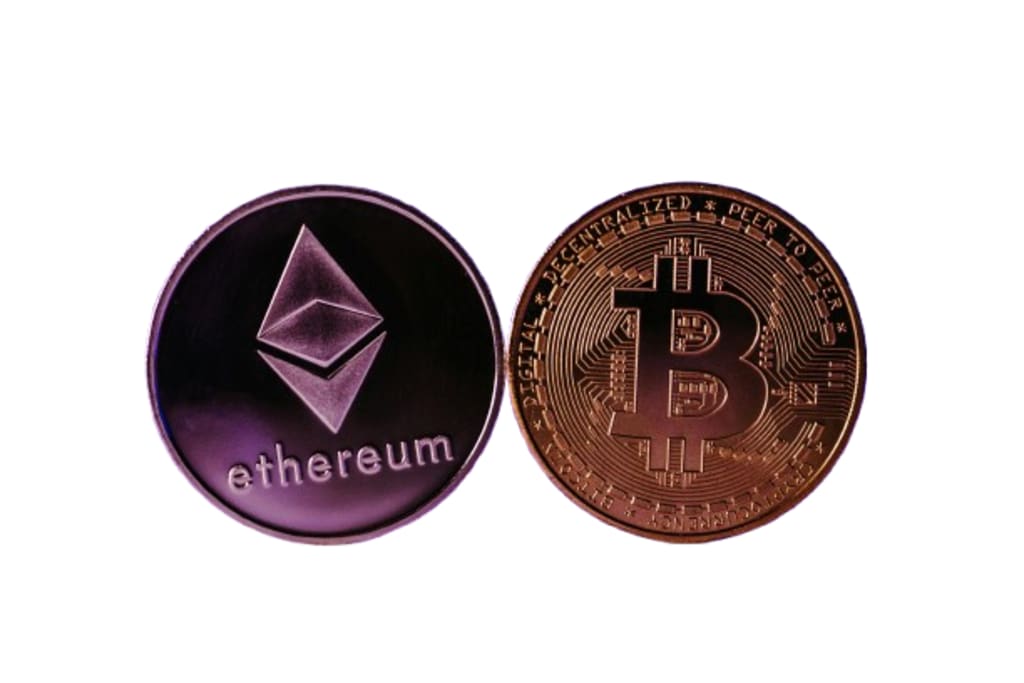
In today's rapidly evolving digital landscape, businesses are continually seeking innovative solutions to enhance operations and gain a competitive edge. Among the transformative technologies reshaping industries, blockchain stands out, with Ethereum leading the charge towards decentralization. Ethereum, often likened to Bitcoin, is much more than a digital currency. It is a comprehensive platform that allows developers to build decentralized applications (dApps) and execute smart contracts, making it a versatile tool for businesses across various sectors.
The power of Ethereum lies in its flexibility and expansive ecosystem. While Bitcoin's primary focus is as a store of value—often referred to as "digital gold"—Ethereum serves as a robust framework for creating complex applications that run without downtime, fraud, control, or interference from third parties. Businesses, ranging from financial institutions to supply chain and identity management sectors, are increasingly leveraging Ethereum's capabilities to maximize efficiency and transparency in their operations.
This article explores the multifaceted benefits Ethereum brings to modern businesses, especially those run from home. It delves into how smart contracts can automate tasks and reduce costs by eliminating intermediaries. Furthermore, the introduction of Decentralized Finance (DeFi) offers a new realm of financial possibilities, enabling businesses to access loans, manage savings, and invest with unprecedented flexibility.
Besides financial advantages, Ethereum also provides opportunities for crowdfunding through tokenization and Initial Coin Offerings (ICOs), opening new revenue streams for startups and small businesses. Enhanced security and transparency are intrinsic to blockchain technology, fostering trust among customers and safeguarding data integrity.
As businesses gear towards digital transformation, understanding how to set up and secure an Ethereum wallet, accept cryptocurrency payments, and explore relevant dApps and tools will be pivotal. With Ethereum, the possibilities are expansive, and the potential for growth is immense. This article aims to guide businesses in navigating Ethereum's ecosystem, reaping its benefits, and positioning themselves for success in the digital age.
Section 1: Understanding Ethereum
Ethereum is a type of cryptocurrency, similar to Bitcoin, but with some important differences. It was created to do more than just act as digital money. Ethereum is a platform that allows people to build and use decentralized applications, or dApps, on its network. This makes it a powerful tool for developers and businesses looking to create new kinds of applications that don't rely on a central authority.
The Origin of Ethereum
Ethereum was proposed in late 2013 by a programmer named Vitalik Buterin. He wanted to create a platform that could do more than just send and receive money. Vitalik envisioned a system where developers could build their own applications on top of a blockchain. This idea led to the creation of Ethereum, which officially launched in July 2015.
The Ethereum network is powered by a cryptocurrency called Ether, often abbreviated as ETH. Ether is used to pay for transactions and computational services on the Ethereum network. Just like Bitcoin, Ether can be bought, sold, and traded on various cryptocurrency exchanges.
Key Components of Ethereum
To understand how Ethereum works, it's important to know about its key components: Ether (ETH) and the Ethereum blockchain.
Ether (ETH)
Ether is the digital currency used within the Ethereum network. It serves two main purposes. First, it acts as a form of payment for people who want to use the network. For example, if you want to send a transaction or run a smart contract, you need to pay a fee in Ether. This fee is known as "gas," and it compensates the network's miners for their work in processing and validating transactions.
Second, Ether can be used as a store of value, similar to how people use Bitcoin. You can hold Ether in a digital wallet and use it to make purchases or trade it for other cryptocurrencies.
The Ethereum Blockchain
The Ethereum blockchain is a decentralized ledger that records all transactions and smart contracts on the network. Unlike a traditional database, which is controlled by a single entity, the Ethereum blockchain is maintained by a network of computers, known as nodes, all around the world. This makes it secure and resistant to censorship or tampering.
Each transaction on the Ethereum blockchain is grouped into a block. These blocks are linked together in a chain, hence the name "blockchain." When a new block is added to the chain, it is verified by the network's miners, who use their computing power to solve complex mathematical problems. This process is known as mining, and it ensures that the blockchain remains secure and accurate.
Smart Contracts: The Heart of Ethereum
One of the most exciting features of Ethereum is its ability to run smart contracts. A smart contract is a self-executing contract with the terms of the agreement directly written into code. These contracts automatically execute when certain conditions are met, without the need for a middleman.
For example, imagine you want to buy a digital artwork. You could use a smart contract to automatically transfer the ownership of the artwork to you once you pay the agreed amount in Ether. This eliminates the need for a third party, like a bank or a lawyer, to oversee the transaction.
Smart contracts can be used for a wide range of applications, from financial services to supply chain management. They offer a way to automate processes and reduce the risk of fraud or error.
Ethereum is a groundbreaking technology that offers more than just digital currency. It introduces innovative concepts like smart contracts, the Ethereum Virtual Machine (EVM), and decentralized applications (dApps). These elements work together to make Ethereum a versatile platform for various applications.
Smart Contracts and Their Functionality
Smart contracts are a key feature of Ethereum. But what are they exactly? A smart contract is a piece of code that lives on the Ethereum blockchain. It automatically carries out actions when specific conditions are met, much like a digital vending machine. You input the right amount of money, and it automatically dispenses the item you selected.
For instance, imagine you want to rent a bike. A smart contract could be set up to automatically unlock the bike when you send a payment in Ether. Once the payment is received, the contract executes the action of unlocking the bike, all without needing a person to oversee the transaction.
Smart contracts are beneficial because they eliminate the need for intermediaries, like banks or lawyers, to enforce agreements. This can save time and money, and it also reduces the risk of human error or fraud.
The Ethereum Virtual Machine (EVM)
The Ethereum Virtual Machine, or EVM, is another crucial component of how Ethereum operates. The EVM is like a massive computer that runs on the Ethereum network. It allows developers to create and execute smart contracts and dApps.
The EVM is designed to be secure and efficient. It ensures that all smart contracts and dApps run the same way on every computer in the network. This consistency is important because it means that developers can trust that their applications will work as expected, no matter where they are run.
The EVM also enables developers to write smart contracts in a programming language called Solidity. This language is specifically designed for creating smart contracts on Ethereum, making it easier for developers to build complex applications.
The Role of Decentralized Applications (dApps)
Decentralized applications, or dApps, are another exciting aspect of Ethereum. A dApp is an application that runs on a decentralized network, like Ethereum, instead of a single computer or server. This means that no single entity controls the application, making it more secure and resistant to censorship.
dApps can be used for a wide variety of purposes. For example, there are dApps for financial services, like lending and borrowing money, as well as for games, social networks, and more. Because they run on the Ethereum blockchain, dApps can take advantage of smart contracts to automate processes and ensure transparency.
One of the most popular types of dApps is in the field of Decentralized Finance, or DeFi. DeFi dApps allow people to access financial services without needing a traditional bank. This can be especially useful for people who don't have access to banking services or who want more control over their finances.
Section 2: Ethereum vs. Bitcoin
Bitcoin and Ethereum are two of the most well-known cryptocurrencies, but they serve different purposes and are designed in unique ways. Understanding these differences can help you see why each one is important in the world of digital currencies.
Purpose and Design: Bitcoin as Digital Gold vs. Ethereum as a Platform for dApps
Bitcoin was created in 2009 by an anonymous person or group known as Satoshi Nakamoto. Its main purpose is to act as a digital form of money, similar to gold. People often refer to Bitcoin as "digital gold" because it is designed to be a store of value. This means that people can buy Bitcoin and hold onto it, hoping that its value will increase over time, just like gold.
Bitcoin's design focuses on being a secure and decentralized way to transfer value from one person to another without needing a bank or government. It is mainly used for transactions and as an investment.
On the other hand, Ethereum was created in 2015 by a programmer named Vitalik Buterin. While it can also be used as a digital currency, Ethereum's main purpose is to be a platform for building decentralized applications, or dApps. These are applications that run on the Ethereum network and use smart contracts to automate processes.
Ethereum's design is more flexible than Bitcoin's. It allows developers to create a wide range of applications, from games to financial services, that can operate without a central authority. This makes Ethereum a powerful tool for innovation in many different fields.
Consensus Mechanisms: Proof of Work (PoW) vs. Ethereum's Transition to Proof of Stake (PoS)
Both Bitcoin and Ethereum use a process called consensus mechanisms to keep their networks secure and ensure that all transactions are valid. However, they use different methods to achieve this.
Bitcoin uses a consensus mechanism called Proof of Work (PoW). In PoW, miners use powerful computers to solve complex mathematical problems. The first miner to solve the problem gets to add a new block of transactions to the blockchain and is rewarded with new bitcoins. This process requires a lot of energy and computing power, which is why Bitcoin mining is often criticized for its environmental impact.
Ethereum also started with Proof of Work, but it is transitioning to a new consensus mechanism called Proof of Stake (PoS). In PoS, instead of using energy-intensive mining, validators are chosen to create new blocks based on the amount of cryptocurrency they hold and are willing to "stake" as collateral. This means that the more Ether you own, the more likely you are to be chosen to validate transactions and earn rewards.
The transition to Proof of Stake is expected to make Ethereum more energy-efficient and scalable, allowing it to handle more transactions at a lower cost. This change is part of Ethereum's ongoing development to improve its network and make it more sustainable for the future.
By understanding these fundamental differences, you can see how Bitcoin and Ethereum each play unique roles in the world of cryptocurrencies. While Bitcoin focuses on being a secure store of value, Ethereum offers a versatile platform for building decentralized applications, making it a key player in the evolution of blockchain technology.
Bitcoin and Ethereum are both popular cryptocurrencies, but they have different technological features that set them apart. These differences affect how each network operates and what they can be used for.
Block Time and Transaction Speed
One of the key technological differences between Bitcoin and Ethereum is their block time and transaction speed. Block time refers to how long it takes to add a new block of transactions to the blockchain.
For Bitcoin, the average block time is about 10 minutes. This means that it takes roughly 10 minutes for a new block of transactions to be confirmed and added to the Bitcoin blockchain. As a result, Bitcoin transactions can sometimes take a while to be processed, especially when the network is busy.
In contrast, Ethereum has a much shorter block time. On average, it takes about 12 to 15 seconds to add a new block to the Ethereum blockchain. This faster block time means that Ethereum can process transactions more quickly than Bitcoin. As a result, users often experience faster transaction confirmations on the Ethereum network.
The quicker transaction speed makes Ethereum more suitable for applications that require fast processing, such as decentralized applications (dApps) and smart contracts.
Flexibility and Programmability: Smart Contracts on Ethereum
Another major technological difference between Bitcoin and Ethereum is their flexibility and programmability. While Bitcoin is primarily designed to be a digital currency, Ethereum is built to be a platform for creating and running decentralized applications.
Ethereum's flexibility comes from its ability to support smart contracts. Smart contracts are self-executing contracts with the terms of the agreement directly written into code. They automatically carry out actions when certain conditions are met, without the need for a middleman.
For example, a smart contract could be used to automatically transfer ownership of a digital asset once payment is received. This feature allows developers to create a wide range of applications on the Ethereum network, from financial services to games and more.
Bitcoin, on the other hand, does not have the same level of programmability. While it does support some basic scripting, it is not designed to run complex applications like Ethereum. This means that Bitcoin is less flexible when it comes to building new types of applications.
Ethereum's programmability makes it a powerful tool for innovation. Developers can use Ethereum to create decentralized applications that operate without a central authority, offering new possibilities for how we use technology.
By understanding these technological differences, you can see how Bitcoin and Ethereum each have their own strengths. Bitcoin's longer block time and focus on being a digital currency make it a reliable store of value, while Ethereum's faster transaction speed and support for smart contracts make it a versatile platform for building decentralized applications. These differences highlight the unique roles that each cryptocurrency plays in the evolving world of blockchain technology.
Bitcoin and Ethereum are two of the most prominent names in the cryptocurrency world, and each has developed its own unique use cases and ecosystem. Understanding these differences helps highlight the specific roles they play in the realm of digital currency and blockchain technology.
Bitcoin's Primary Use as a Store of Value
Bitcoin is often referred to as "digital gold" because its main use is as a store of value. Just like gold, people buy Bitcoin with the expectation that it will preserve its value over time, or even increase in value. This makes Bitcoin appealing to investors looking to hold a stable asset that isn't tied to traditional banking systems or economies.
Bitcoin's design as a digital currency with a limited supply supports its role as a store of value. There will only ever be 21 million bitcoins, which makes it rare and potentially valuable over time as demand increases. This scarcity can drive up its perceived value, attracting investors who are interested in a hedge against inflation or economic instability.
While Bitcoin can also be used for peer-to-peer transactions, its slower processing times and higher transaction fees generally make it less practical for everyday purchases. Most people who own Bitcoin tend to hold onto it, hoping to benefit from its value as it grows. Additionally, Bitcoin's decentralized nature and security features make it a reliable option for those who want to protect their wealth from government interference or economic crises.
Ethereum's Diverse Ecosystem: DeFi, NFTs, and More
In contrast to Bitcoin, Ethereum boasts a remarkably diverse ecosystem with a wide array of use cases. While Ethereum can also be used as a digital currency, it is primarily known for its ability to support decentralized applications (dApps) and smart contracts.
One of the most exciting areas in Ethereum's ecosystem is Decentralized Finance, or DeFi. DeFi refers to a collection of financial services available on the Ethereum network, enabling users to lend, borrow, trade, and earn interest on cryptocurrencies without needing traditional banks. This opens up new possibilities for financial inclusion and gives people more control over their assets. DeFi platforms can offer services like savings accounts, loans, and even insurance, all without the need for a central authority.
Another popular use case for Ethereum is Non-Fungible Tokens, or NFTs. NFTs are unique digital assets verified on the blockchain, and they can represent anything from digital art to collectibles and in-game items. Ethereum has become the main platform for NFTs due to its ability to handle complex smart contracts, which store the data that verifies the authenticity and ownership of these digital items. Artists and creators can use NFTs to sell their work directly to buyers, bypassing traditional galleries and auction houses.
Beyond DeFi and NFTs, Ethereum's ecosystem also includes various other applications, ranging from supply chain management to identity verification, gaming, and more. Its flexibility and programmability make it an attractive platform for innovators looking to build new types of decentralized applications. For example, in the gaming industry, developers can create games where players truly own their in-game assets, which can be traded or sold outside the game.
By comparing the use cases and ecosystems of Bitcoin and Ethereum, it's clear that each serves a distinct purpose. Bitcoin's primary role as a store of value makes it an appealing investment as a hedge against economic uncertainty. Meanwhile, Ethereum's rich ecosystem offers a platform for innovation across various industries, from finance to gaming and beyond. These differences highlight the diverse potential of blockchain technology and the unique contributions of Bitcoin and Ethereum to the digital world.
Section 3: Benefits of Ethereum for Home-Based Businesses
Smart contracts are transforming the way businesses operate by introducing automation into agreements and transactions. This technology, primarily associated with Ethereum, is making business processes more efficient and reliable.
Automating Agreements and Transactions
At their core, smart contracts are self-executing contracts where the terms of the agreement are written directly into lines of code. These contracts automatically execute when predetermined conditions are met, which streamlines operations for businesses. For example, consider a scenario where a vendor supplies goods to a store. With a smart contract, the payment to the vendor can be automatically processed once the store receives and verifies the delivery of goods. This automation reduces the manual effort needed to process transactions and ensures that all parties comply with the contract's terms without delay.
Smart contracts can be used for a variety of business purposes, from simple transactions like payments to more complex processes such as supply chain management. In supply chain scenarios, a smart contract can automatically trigger payments, update inventories, or reorder supplies as certain milestones are achieved. This level of automation not only speeds up operations but also reduces the likelihood of human error, making business transactions more reliable.
Furthermore, because smart contracts are stored on a blockchain, they provide a clear and immutable record of transactions. This increases transparency between parties and makes auditing processes much easier, as all contract activities are permanently recorded and accessible for review.
Reducing the Need for Intermediaries
One of the significant advantages of using smart contracts is their ability to reduce or completely eliminate the need for intermediaries. Traditionally, many business transactions require third parties, such as brokers, escrow agents, or legal advisors, to oversee and enforce agreements. These intermediaries can add costs, delays, and complexities to business operations.
Smart contracts, however, perform many of the functions that intermediaries traditionally handle. Because the contract's code enforces the agreed terms automatically, the need for a middleman to ensure compliance is greatly diminished. This not only speeds up processes but also reduces costs associated with hiring intermediaries to manage transactions.
For example, in real estate transactions, smart contracts can handle the transfer of property titles once payment is made, without the need for an escrow agent. This simplifies the transaction and can significantly reduce fees traditionally associated with property transfers.
Additionally, the security features of blockchain technology ensure that smart contracts are tamper-proof. Once a contract is deployed on the blockchain, it cannot be altered, and every transaction is encrypted and securely stored. This level of security provides businesses with confidence that their agreements are protected from unauthorized changes or fraud, further reducing the necessity for third-party oversight.
Through smart contracts, businesses can streamline operations, cut costs, and enhance security in transactions. This technology is driving innovation in how agreements are managed and executed, offering a glimpse into the future of business automation and efficiency. As more businesses adopt smart contracts, they are likely to see significant improvements in how they handle day-to-day operations, leading to increased productivity and seamless transactions.
Decentralized Finance, or DeFi, is revolutionizing the way businesses and individuals manage their finances. By leveraging blockchain technology, DeFi offers a range of financial services that are more accessible, flexible, and efficient than traditional banking systems.
Leveraging DeFi for Loans, Savings, and Investments
DeFi platforms provide businesses with new opportunities to access financial services such as loans, savings, and investments without relying on traditional banks. These platforms operate on blockchain networks, primarily Ethereum, and use smart contracts to automate and secure financial transactions.
For businesses seeking loans, DeFi offers a streamlined process that eliminates the need for lengthy paperwork and credit checks typically required by banks. Instead, businesses can use their cryptocurrency holdings as collateral to secure loans quickly and efficiently. This can be particularly beneficial for small businesses or startups that may not have established credit histories but possess digital assets.
In addition to loans, DeFi platforms offer savings accounts that often provide higher interest rates than traditional banks. Businesses can deposit their funds into DeFi savings accounts and earn interest, which is typically paid out in cryptocurrency. This allows businesses to grow their savings more effectively while maintaining control over their assets.
DeFi also opens up new avenues for investment. Businesses can participate in various investment opportunities, such as yield farming or staking, where they can earn returns by providing liquidity to DeFi protocols. These investment options can diversify a business's financial portfolio and potentially increase its revenue streams.
Managing Business Finances with Greater Flexibility
One of the key advantages of DeFi is the flexibility it offers in managing business finances. Traditional financial systems often come with restrictions and limitations, such as banking hours, geographical boundaries, and regulatory hurdles. DeFi, however, operates 24/7 and is accessible from anywhere in the world, providing businesses with unparalleled flexibility.
With DeFi, businesses can manage their finances in real-time, making it easier to respond to market changes and financial needs. For example, a business can quickly convert its cryptocurrency holdings into stablecoins to protect against market volatility or use decentralized exchanges to trade assets without the need for a broker.
Moreover, DeFi platforms often have lower fees compared to traditional financial services. This cost-effectiveness allows businesses to save money on transaction fees, which can be especially beneficial for small businesses with tight budgets.
DeFi also enhances transparency and security in financial transactions. Because all transactions are recorded on a public blockchain, businesses can easily track and verify their financial activities. This transparency reduces the risk of fraud and provides businesses with a clear view of their financial health.
By embracing DeFi, businesses can take advantage of a more open and inclusive financial system. The ability to access loans, savings, and investments without traditional barriers empowers businesses to manage their finances more effectively and seize new opportunities for growth. As DeFi continues to evolve, it is likely to play an increasingly important role in the financial strategies of businesses around the world, offering innovative solutions to meet their diverse needs.
Tokenization and crowdfunding are two innovative concepts that are transforming how businesses raise capital and manage assets. By leveraging blockchain technology, businesses can create and manage tokens for various purposes and use them to engage in new forms of fundraising.
Creating and Managing Tokens for Business Purposes
Tokenization involves creating digital tokens that represent ownership or rights to an asset. These tokens are stored and managed on a blockchain, providing a secure and transparent way to track ownership and transactions. For businesses, tokenization offers a flexible way to manage assets and engage with stakeholders.
Businesses can create tokens to represent a wide range of assets, such as company shares, real estate, or even intellectual property. By tokenizing these assets, businesses can make them more accessible and divisible, allowing for fractional ownership. This means that investors can buy and sell small portions of an asset, increasing liquidity and making it easier to trade.
Managing tokens on a blockchain also enhances security and transparency. Every transaction involving a token is recorded on the blockchain, providing a clear and immutable record of ownership. This reduces the risk of fraud and ensures that all parties have access to accurate information about the asset.
Using Initial Coin Offerings (ICOs) or Token Sales for Fundraising
Initial Coin Offerings (ICOs) and token sales are innovative fundraising methods that allow businesses to raise capital by selling tokens to investors. These tokens can represent a variety of things, such as a stake in the company, access to a product or service, or a share of future profits.
ICOs and token sales provide businesses with a way to reach a global pool of investors without the need for traditional financial intermediaries. This can be particularly beneficial for startups and small businesses that may have difficulty accessing traditional funding sources like venture capital or bank loans.
During an ICO, a business creates and sells tokens to investors in exchange for cryptocurrency, typically Ether or Bitcoin. Investors purchase these tokens with the expectation that their value will increase as the business grows and succeeds. This process allows businesses to raise funds quickly and efficiently, often with fewer regulatory hurdles than traditional fundraising methods.
Token sales also offer businesses the opportunity to build a community of supporters and early adopters. By involving investors in the early stages of a project, businesses can create a sense of ownership and engagement, which can be valuable for marketing and growth.
However, it's important for businesses to approach ICOs and token sales with caution. Regulatory environments vary by country, and businesses must ensure they comply with relevant laws and regulations to avoid legal issues.
By embracing tokenization and crowdfunding, businesses can access new opportunities for raising capital and managing assets. These innovative approaches offer flexibility, transparency, and global reach, making them attractive options for businesses looking to expand and innovate in the digital age. As blockchain technology continues to evolve, tokenization and crowdfunding are likely to play an increasingly important role in the financial strategies of businesses worldwide.
In the digital age, security and transparency are crucial for businesses looking to build trust with their customers and protect their operations. Blockchain technology, particularly through platforms like Ethereum, offers enhanced security and transparency, which can significantly benefit businesses.
Secure Transactions and Data Integrity
One of the primary advantages of using blockchain technology is the security it provides for transactions and data. On a blockchain, every transaction is encrypted and linked to the previous one, creating a chain of blocks that is nearly impossible to alter. This ensures that all transactions are secure and that the data remains intact and unchangeable.
For businesses, this means that transactions conducted on a blockchain are protected from fraud and unauthorized changes. Whether it's processing payments, managing supply chains, or handling sensitive customer information, blockchain technology ensures that data is accurate and secure. This level of security is particularly important for businesses dealing with financial transactions or sensitive data, as it reduces the risk of data breaches and cyberattacks.
Moreover, because blockchain operates on a decentralized network, there is no single point of failure. This makes it more resilient to attacks compared to traditional centralized systems, where a breach in one location can compromise the entire network.
Building Trust with Customers Through Transparent Operations
Transparency is another key benefit of using blockchain technology. On a blockchain, all transactions are recorded on a public ledger that is accessible to anyone. This means that businesses can provide their customers with a clear and verifiable record of their operations.
For customers, this transparency builds trust. When customers can see how a business operates and verify the authenticity of transactions, they are more likely to trust the business and feel confident in their dealings with it. This is especially important in industries where trust is paramount, such as finance, healthcare, and supply chain management.
For example, in the food industry, businesses can use blockchain to track the journey of products from farm to table. By providing customers with access to this information, businesses can demonstrate their commitment to quality and safety, enhancing their reputation and customer loyalty.
Additionally, transparency can improve accountability within a business. With all transactions and operations recorded on a blockchain, businesses can easily audit their processes and ensure compliance with regulations. This not only helps in maintaining high standards but also in identifying areas for improvement.
By leveraging the enhanced security and transparency offered by blockchain technology, businesses can protect their operations and build stronger relationships with their customers. These features not only safeguard data and transactions but also foster trust and confidence, which are essential for long-term success. As more businesses adopt blockchain technology, the emphasis on security and transparency will continue to grow, setting new standards for how businesses operate in the digital world.
Join Coinbase today and earn up to $200 in FREE crypto!
Section 4: Practical Steps to Integrate Ethereum into Your Business
Setting up an Ethereum wallet is an essential step for anyone looking to use Ethereum, whether for personal transactions, business operations, or exploring decentralized applications. An Ethereum wallet allows you to store, send, and receive Ether (ETH) and interact with the Ethereum blockchain. Here’s how to choose the right wallet and ensure it’s secure.
Choosing the Right Wallet for Your Needs
There are several types of Ethereum wallets available, each with its own features and benefits. Choosing the right one depends on your specific needs and how you plan to use Ethereum.
Hardware Wallets: These are physical devices that store your private keys offline, making them one of the most secure options. They are ideal for those who hold a significant amount of Ether or plan to keep it for a long time. Popular hardware wallets include Ledger and Trezor.
Software Wallets: These are applications you can install on your computer or smartphone. They are convenient for everyday transactions and easy to use. Examples include MetaMask, Trust Wallet, and MyEtherWallet. Software wallets are great for users who frequently interact with dApps or need quick access to their funds.
Paper Wallets: A paper wallet is a physical printout of your public and private keys. It’s a secure way to store Ether offline, but it requires careful handling to ensure it doesn’t get lost or damaged. Paper wallets are suitable for long-term storage without frequent access.
Web Wallets: These are online services that store your keys on a server. They are accessible from any device with an internet connection, making them convenient but potentially less secure than other options. Web wallets are best for small amounts of Ether or for users who prioritize convenience.
When choosing a wallet, consider factors like security, ease of use, and how often you plan to access your Ether. It’s also important to research and select a reputable wallet provider to ensure your funds are safe.
Securing Your Wallet and Private Keys
Once you’ve chosen a wallet, securing it is crucial to protect your Ether and any other assets you manage on the Ethereum blockchain. Here are some steps to enhance security:
Protect Your Private Keys: Your private key is the most important part of your wallet. It’s what allows you to access and control your Ether. Never share your private key with anyone, and store it in a safe place. If you’re using a hardware or paper wallet, keep it in a secure location.
Use Strong Passwords: If your wallet requires a password, make sure it’s strong and unique. Avoid using easily guessable information like birthdays or common words. Consider using a password manager to keep track of your passwords securely.
Enable Two-Factor Authentication (2FA): If your wallet supports 2FA, enable it for an extra layer of security. This requires a second form of verification, such as a code sent to your phone, to access your wallet.
Keep Software Updated: Regularly update your wallet software to the latest version. Updates often include security patches that protect against vulnerabilities.
Backup Your Wallet: Create a backup of your wallet and store it in a secure location. This ensures you can recover your funds if your device is lost or damaged.
By carefully choosing and securing your Ethereum wallet, you can safely manage your Ether and engage with the Ethereum network. Taking these precautions helps protect your assets and ensures a smooth experience as you explore the possibilities of blockchain technology.
As cryptocurrencies become more popular, many businesses are considering accepting Ethereum as a form of payment. Doing so can open up new opportunities and provide several benefits. Here’s how to integrate Ethereum payment gateways and the advantages of accepting cryptocurrency payments.
Integrating Ethereum Payment Gateways
To start accepting Ethereum payments, businesses need to integrate a payment gateway that supports cryptocurrency transactions. Here are the steps to get started:
Choose a Payment Gateway: There are several payment gateways that facilitate Ethereum transactions. Some popular options include Coinbase Commerce, BitPay, and CoinGate. These platforms allow businesses to accept Ethereum and other cryptocurrencies easily.
Set Up an Account: Once you’ve chosen a payment gateway, sign up for an account. This usually involves providing some basic information about your business and verifying your identity.
Integrate with Your Website or Point of Sale System: Most payment gateways offer plugins or APIs that can be integrated into your existing e-commerce platform or point of sale system. This integration allows customers to select Ethereum as a payment option during checkout.
Test the System: Before going live, test the payment system to ensure everything works smoothly. Make a small transaction to verify that payments are processed correctly and that you receive the funds in your wallet.
Educate Your Customers: Let your customers know that you now accept Ethereum payments. You can do this through your website, social media, or in-store signage. Providing clear instructions on how to pay with Ethereum can also help customers feel more comfortable using this payment method.
Benefits of Accepting Cryptocurrency Payments
Accepting Ethereum and other cryptocurrencies can offer several advantages for businesses:
Access to a Global Market: Cryptocurrencies are not bound by national borders, allowing businesses to reach customers worldwide. This can be particularly beneficial for online businesses looking to expand their customer base.
Lower Transaction Fees: Cryptocurrency transactions often have lower fees compared to traditional credit card payments. This can result in cost savings for businesses, especially those with high transaction volumes.
Faster Transactions: Ethereum transactions are processed quickly, often within minutes. This speed can improve cash flow and reduce the time businesses spend waiting for payments to clear.
Increased Security: Cryptocurrency payments are secure and reduce the risk of fraud and chargebacks. Once a transaction is confirmed on the blockchain, it cannot be reversed, providing businesses with greater payment security.
Appeal to Tech-Savvy Customers: Accepting Ethereum can attract tech-savvy customers who prefer using digital currencies. This can differentiate your business from competitors and enhance your brand’s image as innovative and forward-thinking.
Hedge Against Currency Fluctuations: For businesses operating in countries with volatile currencies, accepting Ethereum can provide a hedge against currency fluctuations. By holding some of their revenue in cryptocurrency, businesses can protect their assets from devaluation.
By integrating Ethereum payment gateways and accepting cryptocurrency payments, businesses can enjoy these benefits and position themselves at the forefront of the digital economy. As more consumers and businesses adopt cryptocurrencies, accepting Ethereum can become a valuable part of a modern business strategy.
Ethereum's ecosystem offers a wide range of decentralized applications (dApps) and tools that can enhance business operations. By identifying and utilizing these resources, businesses can increase efficiency and take advantage of innovative technology to improve their processes.
Identifying Useful dApps for Business Operations
Identifying the right dApps for your business needs begins with understanding what specific challenges or goals you want to address. Here are some common areas where dApps can be beneficial:
Financial Management: There are several DeFi dApps that businesses can use to manage finances, such as stablecoins for handling transactions in a stable currency, or platforms like Aave and Compound for earning interest on deposits or securing loans.
Smart Contracts: Platforms like OpenZeppelin help businesses create and manage secure smart contracts. These are useful for automating agreements, reducing paperwork, and ensuring compliance with contract terms without the need for middlemen.
Supply Chain Management: dApps like VeChain and Ambrosus provide tools for tracking and verifying products through the supply chain. These platforms can enhance transparency and traceability, ensuring quality control and reducing fraud.
Identity Verification: dApps focused on identity management, such as uPort, offer decentralized solutions for verifying identities and managing permissions. This can improve security and simplify processes that require identity verification, such as onboarding new employees or clients.
Marketing and Customer Engagement: Tools like Brave and the Basic Attention Token (BAT) can be used to create decentralized marketing campaigns that reward users for their attention and engagement, offering a new way to reach and interact with customers.
Utilizing Ethereum-based Tools for Efficiency
In addition to dApps, Ethereum-based tools can streamline various business processes and improve overall efficiency:
Wallets and Payments: Tools like MetaMask and MyEtherWallet facilitate the storage and transfer of Ether and tokens, making it easy to manage funds and interact with dApps directly from a web browser.
Data Management and Security: Ethereum provides robust encryption for secure data storage and management. Businesses can use Ethereum-based solutions to enhance data security, ensuring that sensitive information is protected against unauthorized access and breaches.
Decentralized Storage: Platforms like IPFS (InterPlanetary File System) offer decentralized data storage solutions that ensure data integrity and accessibility, reducing reliance on centralized servers and lowering costs.
Decentralized Exchanges (DEXs): For businesses involved in trading digital assets, DEXs such as Uniswap and Sushiswap provide a trustless environment for exchanging tokens without the need for a traditional intermediary, which can minimize fees and increase security.
Collaboration Tools: dApps like Aragon allow businesses to create and manage decentralized organizations, facilitating transparency and collaboration among team members and stakeholders without relying on centralized control structures.
By exploring and integrating these dApps and tools, businesses can streamline operations, reduce costs, and enhance security. Leveraging the power of Ethereum not only increases operational efficiency but also positions businesses as leaders in embracing innovative technologies, ready to adapt to the ever-evolving digital landscape. These tools offer businesses the potential to revolutionize traditional processes and improve competitiveness in their respective industries.
Conclusion
As the world pivots towards a more digital-centric economy, the technologies that drive this transformation will be crucial determinants of success for businesses. Ethereum, with its vast capabilities and flexible framework, provides a vital gateway to the future of decentralized commerce and finance. By understanding and leveraging Ethereum's unique offerings, businesses can gain access to innovative tools and frameworks that drastically enhance their operational efficiency, security, and market competitiveness.
Smart contracts on the Ethereum network automate processes, ensuring precise and error-free executions without the need for intermediaries. This not only streamlines operations but significantly reduces costs and enhances productivity. With the ever-evolving Decentralized Finance (DeFi) platforms, businesses can take advantage of novel financial instruments that offer better control and flexibility over their assets and investments.
Moreover, Ethereum's blockchain supports seamless tokenization and crowdfunding opportunities, key for businesses seeking alternate funding avenues and community engagement. By enabling secure transactions and data integrity, Ethereum bolsters customer trust, a critical asset in an increasingly transparent and information-driven marketplace.
The movement towards decentralized models also empowers businesses to control their narrative and interactions on a more personal level, facilitating direct engagements and long-term loyalty. As businesses adopt these new mechanisms, they not only adapt to the immediate challenges but position themselves strategically in the digital economy’s future landscape.
Ultimately, adopting Ethereum technologies is not just about keeping up with the trends; it represents a forward-thinking approach to business management that encourages innovation, resilience, and growth. As this article illustrates, embracing Ethereum can transform how businesses operate, positioning them to thrive sustainably in the ever-changing global economic environment.
About the Creator
Paul Claybrook MS MBA
Successful affiliate marketer focused on running, health, and wellness. I create engaging content that informs and inspires my audience, driving conversions through strategic partnerships and a commitment to promoting top-quality products.
Keep reading
More stories from Paul Claybrook MS MBA and writers in Motivation and other communities.
The Role of AI and Automation in Transforming Remote Work
The landscape of work has undergone a significant transformation with the rise of remote work, a shift accelerated by technological advancements and global events. At the heart of this transformation are artificial intelligence (AI) and automation, which are reshaping how we approach tasks, communication, and collaboration. These technologies offer a myriad of benefits, from enhancing productivity by automating routine tasks to improving communication through real-time translation and virtual meeting enhancements. AI-driven tools can personalize work experiences, tailoring environments and learning opportunities to individual needs, thereby fostering a more engaged and motivated workforce. However, as we embrace these innovations, it is crucial to acknowledge and address the challenges they present. Data privacy concerns and the potential for job displacement are significant issues that require careful consideration and proactive solutions. By understanding the dual nature of AI and automation in remote work, we can leverage their potential to create more efficient, inclusive, and personalized work environments. This exploration delves into the multifaceted impact of AI and automation on remote work, highlighting both the opportunities and the ethical considerations that accompany this technological evolution.
By Paul Claybrook MS MBAabout a year ago in Motivation
The Man Who Became a Lightning Rod: The Unbelievable Life of Roy Sullivan
In the vast, unpredictable theater of the natural world, there are statistical anomalies, and then there is Roy Cleveland Sullivan. To the average person, the odds of being struck by lightning in a given year are roughly one in a million. The odds of being struck seven times? Those are calculated at approximately 1 in 100,000,000,000,000,000,000,000,000 (that’s a septillion).
By Frank Massey 5 days ago in Motivation




Comments
There are no comments for this story
Be the first to respond and start the conversation.