
Trump’s Venezuela Raid Has Created Chaos — and That Is a Risk for China
A Shock Operation With Global Consequences
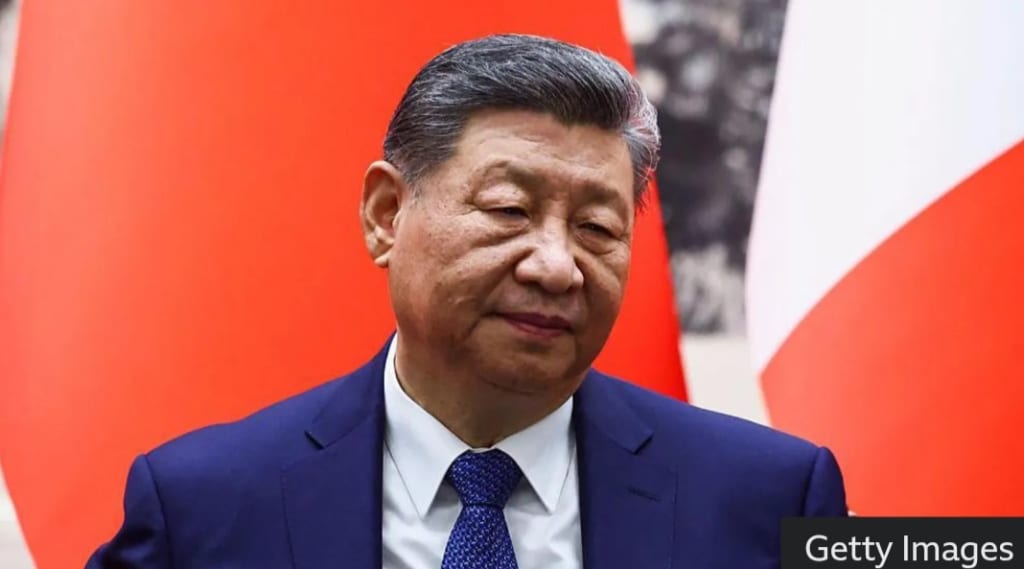
Donald Trump’s decision to authorize a dramatic raid targeting Venezuela’s leadership has sent shockwaves far beyond Latin America. While the operation was framed by U.S. officials as a decisive strike against authoritarianism, its aftermath has plunged Venezuela into political, economic, and social chaos. That instability, analysts warn, is not only a regional concern—it poses a strategic risk for China, one of Venezuela’s most important international partners.
As Washington tightens pressure and enforces an oil blockade, Beijing now faces a dilemma: how to protect its interests in a country suddenly thrown into turmoil without becoming entangled in a volatile geopolitical confrontation.
Venezuela After the Raid: A Nation in Disarray
The removal of Venezuela’s leadership through a U.S.-led operation has left the country in a fragile state. Competing political factions are scrambling for control, institutions are strained, and public order remains uncertain. Protests, counter-protests, and sporadic unrest have become common, reflecting a population divided between anger, hope, and fear.
The U.S. has made clear it does not intend to govern Venezuela directly. Instead, it is relying on sanctions, oil enforcement, and diplomatic pressure to shape outcomes. That approach, critics argue, creates a dangerous vacuum—one where instability can deepen before any credible transition takes hold.
For China, chaos is not an abstract concern. It directly threatens years of investment, strategic planning, and energy security.
Why Venezuela Matters to China
China has been one of Venezuela’s most significant international backers over the past two decades. Through loans, infrastructure projects, and oil-for-credit agreements, Beijing has poured tens of billions of dollars into the country.
Venezuela’s vast oil reserves were central to this relationship. China viewed Venezuela as a long-term energy partner and a strategic foothold in the Western Hemisphere, balancing U.S. influence.
Now, with oil exports disrupted and leadership uncertain, China risks losing both financial investments and geopolitical leverage. A prolonged crisis could leave Chinese companies exposed, contracts unenforceable, and repayments stalled indefinitely.
Oil Chaos and Beijing’s Energy Concerns
The enforcement of an oil blockade following the raid has compounded uncertainty. Tankers are under scrutiny, supply chains are disrupted, and legal risks for buyers have increased.
China, as a major global energy consumer, is particularly sensitive to instability in oil-producing regions. While Venezuelan oil is no longer central to China’s energy mix, the disruption sets a worrying precedent.
If U.S. enforcement actions normalize the interception of tankers and aggressive sanctions policing, Chinese energy firms may face higher risks not just in Venezuela—but globally.
Strategic Setback in Latin America
Beyond economics, Venezuela has symbolic importance for China’s broader Latin America strategy. Beijing has invested heavily in portraying itself as a stable, non-interventionist partner, contrasting its approach with Washington’s history of military involvement in the region.
Trump’s raid complicates that narrative. If Venezuela collapses into prolonged disorder, critics may argue that China’s support propped up a fragile system without ensuring long-term stability.
At the same time, China must be careful not to appear as defending a failed regime or opposing a political transition backed by parts of the Venezuelan population.
A Diplomatic Balancing Act
So far, Beijing’s response has been cautious. Chinese officials have called for respect for sovereignty and urged dialogue, avoiding direct confrontation with Washington.
This restraint reflects a broader strategy: avoid escalation while protecting core interests. Openly challenging the U.S. could damage trade relations and inflame tensions at a time when China faces pressure on multiple fronts, from Taiwan to the South China Sea.
Yet doing nothing carries risks too. If China appears disengaged, it could lose influence in a region where it has spent years building relationships.
The Risk of Precedent
Perhaps the most troubling aspect for Beijing is the precedent Trump’s Venezuela raid sets. The operation signals a willingness by the U.S. to use force or coercive measures to remove unfriendly governments and then reshape economic flows through sanctions and enforcement.
For China, this raises uncomfortable questions. If such tactics become normalized, what prevents similar strategies being applied elsewhere where Chinese interests are deeply embedded?
While Venezuela is unique, the broader message—that chaos can be an acceptable byproduct of strategic action—undermines China’s preference for predictability and gradual change.
Humanitarian Fallout and Reputational Risk
As Venezuela’s crisis deepens, humanitarian needs are expected to rise. Shortages of fuel, food, and medicine could worsen, potentially triggering new waves of migration.
China has often emphasized development and stability as pillars of its foreign policy. Being associated—directly or indirectly—with a country sliding into chaos risks reputational damage, particularly in the Global South.
At the same time, increased humanitarian suffering could invite international pressure on all major stakeholders, including Beijing, to contribute aid or support stabilization efforts.
A Strategic Opportunity—or a Trap?
Some analysts argue that chaos could also present China with opportunities. A post-raid Venezuela desperate for investment might welcome renewed Chinese engagement under revised terms.
But such opportunities come with high risk. Investing in an unstable environment could expose China to losses and political backlash, especially if Venezuela becomes a battleground for U.S.–China rivalry.
Beijing’s preference for long-term, predictable partnerships makes sudden, volatile transitions deeply unattractive.
What Comes Next for China
China’s likely path forward is strategic patience. Rather than rushing to fill any vacuum left by the U.S., Beijing may wait to see whether Venezuela stabilizes under new leadership or slides further into disorder.
Behind the scenes, China will be assessing which actors are likely to emerge dominant—and whether they are open to maintaining ties with Beijing.
Coordination with other international players, including regional powers, may also become more important as China seeks to protect its interests without appearing confrontational.
Conclusion: Chaos as a Strategic Risk
Trump’s Venezuela raid has fundamentally altered the country’s trajectory. While Washington may view the chaos as a necessary cost of decisive action, for China it represents a strategic risk—one that threatens investments, energy interests, and regional influence.
In a world already marked by geopolitical rivalry, Venezuela has become another arena where instability carries global consequences. For China, the challenge now is navigating a crisis it did not create, in a country where the ground beneath its interests is rapidly shifting.
Whether chaos ultimately benefits or harms Beijing will depend not just on Venezuela’s future, but on how global powers choose to manage the fallout.
About the Creator
Keep reading
More stories from Aarif Lashari and writers in Motivation and other communities.
US–Venezuela Operation “Not an Invasion” as Captured Leader Nicolás Maduro Held in New York
The United States has insisted that its recent operation involving Venezuela is “not an invasion,” even as captured Venezuelan leader Nicolás Maduro is now being held in New York, according to U.S. officials. The announcement has sent shockwaves through diplomatic circles, reigniting debates over sovereignty, international law, and the limits of American power in the Western Hemisphere.
By Aarif Lashari2 months ago in Motivation
The Joy Of Sharing
Sharing Your Facebook Friend's Vocal Stories Yesterday I got a Facebook notification that my name had been mentioned, so I went to check up on it and was shocked in the most beautiful way by what was said about me as Lena Beana shared one of my stories. It was one of my fiction stories that you can read here:
By Mike Singleton 💜 Mikeydred 6 days ago in Motivation
The Light in the Library Window
On a quiet street in a small town stood an old library that most people had forgotten. The building was small and worn, its brick walls faded by years of wind and rain. The wooden door creaked loudly whenever someone pushed it open, and the tall windows were often covered with a thin layer of dust.
By Waleed khan6 days ago in Motivation


Comments
There are no comments for this story
Be the first to respond and start the conversation.