
The Silent Threat Beneath the Waves
Understanding the Hidden Dangers Facing Marine Life

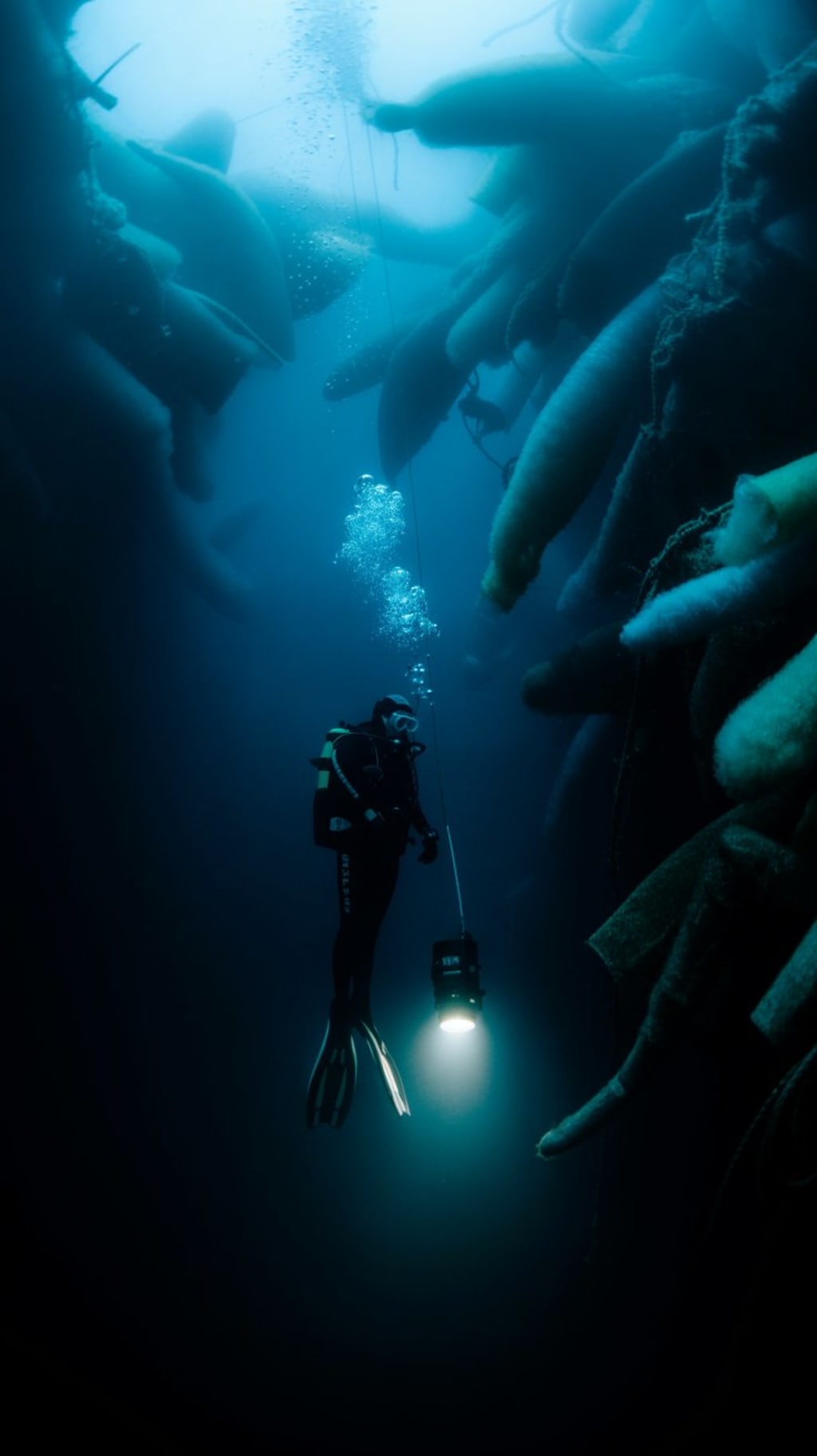
The oceans cover more than 70% of the Earth's surface, teeming with an incredible variety of life. From the largest whales to the smallest plankton, marine ecosystems support an abundance of creatures that play a crucial role in maintaining the balance of our planet's health. However, beneath the shimmering waves, a silent crisis is unfolding—one that threatens the very fabric of ocean life. These hidden dangers, often invisible to the naked eye, are causing irreversible damage to marine ecosystems. The complexity of these threats, from pollution and overfishing to climate change and habitat destruction, is vast, and their effects are felt by every corner of the ocean. But perhaps what is most alarming is that many of these threats remain unseen, quietly and steadily harming marine creatures.
In this article, we will explore the various hidden dangers facing marine life, the consequences of these threats, and the urgent need for awareness and action to protect the health of our oceans and the life within them.
1. The Growing Crisis of Plastic Pollution
One of the most insidious and pervasive threats to marine life is plastic pollution. Every year, millions of tons of plastic waste are dumped into the ocean, contributing to a growing environmental disaster. This plastic waste takes many forms—bags, bottles, straws, and microplastics—that find their way into the water and pose a serious risk to marine creatures. What makes plastic pollution particularly dangerous is that it doesn't just disappear; instead, it breaks down into smaller particles that linger in the water for hundreds of years.
Marine life, from tiny fish to large mammals, often mistake plastic for food. Sea turtles, for example, can ingest plastic bags, mistaking them for jellyfish. When consumed, plastic can obstruct the digestive system, leading to malnutrition, starvation, or even death. Smaller creatures like plankton and fish can ingest microplastics, which then enter the food chain, eventually making their way up to larger predators, including humans. The long-term effects of plastic consumption on marine ecosystems are still not fully understood, but the damage is undeniable.
Moreover, plastic waste can entangle marine animals, leading to suffocation, injury, or drowning. The discarded fishing gear, such as nets and lines, is particularly dangerous as it can continue to trap and kill marine creatures long after it has been abandoned.
2. Overfishing and the Collapse of Marine Populations
Overfishing is another silent threat that is having a profound impact on marine life. For centuries, humans have relied on the oceans for sustenance, but today, many fish species are being harvested at an unsustainable rate. As a result, fish populations are rapidly declining, and entire ecosystems are being thrown out of balance. The fishing industry, driven by the demand for seafood, continues to extract fish from the ocean at rates far exceeding their ability to reproduce.
In many regions, species such as tuna, cod, and haddock are being fished to the brink of extinction. But it’s not just the target species that are suffering—bycatch, the unintended capture of non-target species, is also a major issue. Dolphins, sea turtles, sharks, and even birds are often caught in fishing nets or hooked by fishing lines, leading to injury or death. The depletion of fish populations also affects the entire food web, as predators like larger fish and marine mammals lose their primary source of food.
Overfishing also leads to the destruction of critical marine habitats, such as coral reefs and the ocean floor. Bottom trawling, a method of fishing that drags heavy nets along the ocean floor, damages fragile ecosystems, destroys habitats, and reduces biodiversity. The long-term consequences of overfishing are not just about the loss of individual species but also the disruption of entire ecosystems that depend on healthy marine populations.
3. Climate Change: The Ocean’s Silent Warmer
While climate change is a global issue, its effects on the oceans are particularly concerning. Rising temperatures, ocean acidification, and changing weather patterns are causing significant stress on marine life. One of the most visible effects of climate change on marine ecosystems is coral bleaching. Coral reefs, which support an incredible variety of marine life, are extremely sensitive to changes in water temperature. When ocean temperatures rise even slightly, corals expel the algae that live within them, causing them to turn white and become more vulnerable to disease.
If coral reefs die off, the loss of biodiversity is catastrophic. Reefs provide shelter and food for nearly a quarter of all marine species, and their destruction would disrupt ecosystems and food chains in ways that are difficult to predict.
Additionally, ocean acidification is another consequence of climate change. As the levels of carbon dioxide in the atmosphere increase, a significant portion of this CO2 is absorbed by the ocean. This leads to a decrease in the pH of the water, making it more acidic. This change in acidity is harmful to marine life, especially species with calcium carbonate shells, such as mollusks and corals. Acidification weakens their shells, making them more vulnerable to predators and less able to survive in their environments.
4. Habitat Destruction: The Loss of Critical Ecosystems
Marine creatures rely on a variety of habitats for survival, from the warm waters of coral reefs to the deep, dark waters of the ocean floor. However, human activities have caused widespread destruction of these vital ecosystems. Coastal development, pollution, and destructive fishing practices are among the primary contributors to habitat loss. Mangroves, seagrass beds, and salt marshes, which provide essential breeding and feeding grounds for many marine species, are being destroyed at alarming rates.
Coral reefs, which are already under threat from climate change and overfishing, are further damaged by human activities such as tourism, mining, and construction. When reefs are destroyed, the fish and other marine creatures that depend on them are left without shelter and food sources. In some cases, entire ecosystems collapse as a result.
Additionally, deep-sea ecosystems are also under threat from deep-sea mining and bottom trawling. These habitats are home to unique and often poorly understood species, many of which are vulnerable to human interference. As we continue to encroach on these previously untouched areas, the long-term effects on biodiversity remain a mystery.
5. The Unseen Toxic Threats
While plastic and overfishing may be the most visible dangers to marine life, many other threats are less obvious but equally harmful. Toxic chemicals, such as pesticides, heavy metals, and oil spills, enter the oceans through runoff and industrial waste. These chemicals can have devastating effects on marine creatures, leading to reproductive failures, weakened immune systems, and even death.
The accumulation of toxic substances in the marine food chain also poses a threat to humans who consume seafood. Mercury, for example, is a common contaminant found in certain fish species, and its buildup in the body can lead to neurological damage. Similarly, oil spills can decimate marine habitats, kill wildlife, and leave lasting scars on ecosystems for years.
What Can We Do?
The silent threats facing marine life are vast and complex, but that does not mean we are powerless to help. The first step is awareness. Understanding the interconnectedness of marine ecosystems and the threats they face is crucial for driving change. By making more sustainable choices in our daily lives, such as reducing plastic use, supporting sustainable seafood, and advocating for stronger environmental policies, we can begin to make a positive impact.
Marine protected areas (MPAs) are one effective way to safeguard vulnerable ecosystems. These areas restrict human activity, allowing marine species to thrive and recover from the pressures of overfishing and habitat destruction. Additionally, governments and international organizations must work together to address the global issues of climate change, pollution, and overfishing through coordinated efforts and policies.
Conclusion
The ocean is a vast and mysterious world that sustains life on Earth. However, beneath the surface, it is facing silent threats that could have far-reaching consequences for marine creatures and human beings alike. Whether it’s plastic pollution, overfishing, climate change, habitat destruction, or toxic chemicals, the dangers are hidden from plain sight but are real and growing.
It is up to all of us to recognize these dangers, understand their implications, and take action to protect the health of our oceans. Only through collective effort and a commitment to preserving the beauty and biodiversity of marine life can we ensure that future generations will be able to enjoy the wonders of the ocean. The time to act is now, before these silent threats claim even more of the world's precious marine life.
About the Creator
Keep reading
More stories from Habibullah khan and writers in Motivation and other communities.
My Mother-in-Law's Final Words Revealed a Secret That Transformed My Marriage Forever
For most of our marriage, I thought I knew everything about Daniel. He was kind, quiet, and steady — the sort of man who never missed a birthday or let a faucet leak for more than a day. We had been married for ten years, and though our relationship was solid, I’d be lying if I said it hadn’t become… predictable.
By Habibullah khan 10 months ago in Motivation
How To Turn Your Passion Into a Real Business
If you don’t love your job, chances are you’ll end up dissatisfied and drained. If that’s the case, it is worth the effort to find—or create—work that truly fulfills you. Too many people are unhappy at work, and that discontent has a nasty habit of spilling over into every other part of life.
By Eleanor Annayabout 22 hours ago in Motivation
The Day I Realized No One Was Coming to Save Me
For a long time, I believed that life would eventually solve itself. Like many people, I thought that if I stayed patient and kept doing what I was supposed to do, things would naturally fall into place. I believed that opportunities would appear at the right time and that someone, somewhere, would guide me toward success.
By Kaimabout 14 hours ago in Motivation




Comments
There are no comments for this story
Be the first to respond and start the conversation.