
The Significance of Navratri: A Celebration of Good Over Evil
Understanding the Roots: Navratri's Historical and Cultural Background

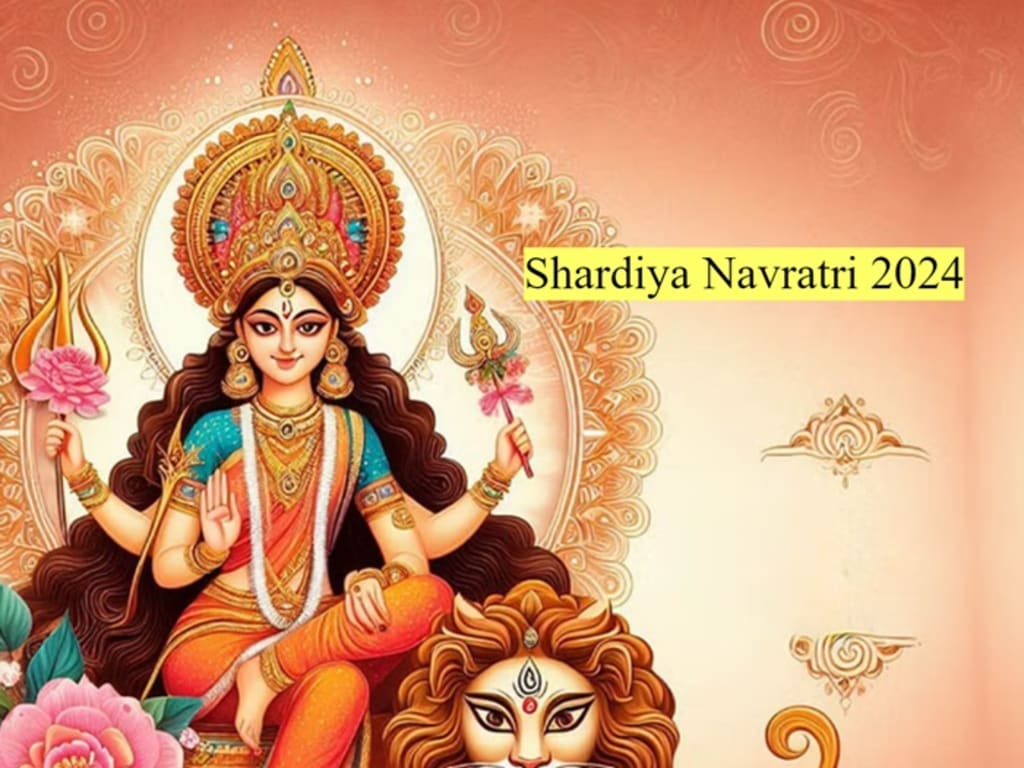
The Significance of Navratri: A Celebration of Good Over Evil
Navratri is one of the most significant festivals in India, celebrated with immense devotion and enthusiasm across the country. The word "Navratri" is derived from two Sanskrit words—"Nav," meaning nine, and "Ratri," meaning night. Over nine nights, devotees honour and worship the nine different forms of Goddess Durga, symbolising strength, courage, and the eternal victory of good over evil. This festival is not only a time of religious observance but also a period for self-reflection and spiritual growth.
The festival of Navratri holds different meanings across India. For some, it marks the victory of Goddess Durga over the demon Mahishasura, symbolising the triumph of good over evil. For others, it signifies the return of Lord Rama to Ayodhya after defeating Ravana. Regardless of the specific regional narratives, Navratri fundamentally revolves around the idea of overcoming negativity, internal or external, and embracing positive transformation.
Table of Contents :-
- What is Navratri?
- The Legend Behind Navratri :- The Story of Mahishasura
- Significance of Nine Days :- Goddess Durga’s Nine Forms
- The Cultural and Social Impact of Navratri
- Why Fasting is Central to Navratri
- Regional Variations in Navratri Celebrations
- The Role of Dandiya and Garba in Navratri
- Modern-Day Navratri :- A Blend of Tradition and Technology
- A Festival of Spiritual Rejuvenation
1. What is Navratri?
Navratri is a Hindu festival that spans nine nights, usually falling in September or October. It celebrates the divine feminine and her victory over evil forces. Goddess Durga, the principal deity of the festival, is revered in her nine avatars over these nine days, each day representing one form. Each form symbolises a unique power or quality, such as courage, wisdom, and peace.
The festival not only involves prayers and rituals but also includes cultural activities like dance (Garba and Dandiya), music, and community gatherings. It's a time of fasting, devotion, and celebration, where families come together to honour the Goddess and seek her blessings.
2. The Legend Behind Navratri :-
The Story of Mahishasura
The most widely known legend associated with Navratri is the story of Mahishasura, a demon who represented unchecked power and arrogance. Mahishasura was granted a boon by Lord Brahma, making him invincible against any man or god. Empowered by this boon, he terrorised the heavens and the earth, defeating armies of gods.
In response to his atrocities, the gods, led by Lord Vishnu, created a powerful female warrior—Goddess Durga. Armed with weapons gifted by various gods, Durga fought Mahishasura for nine days and finally defeated him on the tenth day, which is celebrated as Vijayadashami or Dussehra. This victory symbolises the eternal truth that good will always triumph over evil, no matter how powerful the forces of negativity may seem.
The Story of Durga Puja in West Bengal :-
In West Bengal, Navratri is celebrated as Durga Puja, one of the most significant cultural festivals in the region. The event marks not just the religious aspect but also a social and cultural rejuvenation. During Durga Puja, massive idols of Goddess Durga are installed in elaborate pandals (temporary structures), and the entire state comes alive with vibrant colours, music, and dance.
In 2022, Kolkata's Durga Puja received UNESCO’s recognition for its "Intangible Cultural Heritage of Humanity." This case highlights the cultural importance of Navratri beyond its religious roots. It’s not just a time for worship but also for community bonding and celebration, bridging social divides and bringing people together.
3. Significance of Nine Days :-
Goddess Durga’s Nine Forms :-
Each of the nine days of Navratri is dedicated to a different form of Goddess Durga, and each day holds unique significance :-
Day 1 - Shailaputri :- She is the daughter of the mountains and symbolises nature’s strength.
Day 2 - Brahmacharini :- She represents devotion and spiritual knowledge.
Day 3 - Chandraghanta :- Known for her bravery, she is depicted with a half-moon on her forehead.
Day 4 - Kushmanda :- The creator of the universe, she is associated with creativity and energy.
Day 5 - Skandamata :- The mother of Lord Skanda (Kartikeya), she embodies motherhood and nurturing.
Day 6 - Katyayani :- A fierce form of Durga, she symbolises protection and war.
Day 7 - Kalaratri :- Dark and powerful, she represents the destruction of evil.
Day 8 - Mahagauri :- Known for her calmness and wisdom, she represents purity.
Day 9 - Siddhidatri :- The giver of all siddhis (supernatural powers), she signifies knowledge and wisdom.
Each form is worshipped with specific rituals, prayers, and colours associated with the respective goddess of the day.
4. The Cultural and Social Impact of Navratri :-
Navratri plays a vital role in reinforcing community bonds and cultural heritage. During this festival, people come together to participate in collective prayers, dances, and rituals. It fosters a sense of unity and belonging, transcending social and economic barriers.
In Gujarat, for instance, Garba and Dandiya are performed every night during Navratri, bringing together people from different walks of life. The rhythmic dance and music become a metaphor for life itself, with the dancers moving in circles, signifying the cycle of life, death, and rebirth.
In other parts of India, like Tamil Nadu and Karnataka, Navratri is celebrated by setting up "Golu," a display of dolls representing gods, goddesses, and historical figures. These displays often tell mythological stories, keeping traditions alive for future generations.
5. Why Fasting is Central to Navratri :-
Fasting during Navratri is an age-old tradition that serves multiple purposes—both spiritual and physical. Spiritually, fasting is a way to purify the body and mind, focusing on the divine rather than worldly concerns. It also symbolises control over one's senses and desires, allowing for a deeper connection with the Goddess.
From a physical standpoint, fasting detoxifies the body, preparing it for the seasonal change that typically occurs around Navratri. Fasting foods like sabudana (tapioca), kuttu (buckwheat), and fruits are not only nutritious but also easy to digest, aiding in cleansing the body.
6. Regional Variations in Navratri Celebrations :-
Navratri is celebrated differently across India, with each region adding its unique touch to the festival. While Gujarat is known for its Garba and Dandiya nights, West Bengal celebrates Durga Puja with grandeur. In the south, particularly Tamil Nadu and Karnataka, families set up "Golu" displays and visit each other's homes for cultural gatherings.
In Himachal Pradesh, Kullu Dussehra is celebrated after the nine days of Navratri. Here, local deities are worshipped, and cultural performances are held, attracting tourists from around the country.
7. The Role of Dandiya and Garba in Navratri :-
Dandiya and Garba are traditional folk dances of Gujarat that have now gained popularity across the globe. Performed in circles, these dances symbolise the eternal cycle of life and the victory of good over evil. Garba is performed before the aarti (prayer) as a devotion to Goddess Durga, while Dandiya is a mock-fight between the goddess and Mahishasura.
These dance forms have become an integral part of Navratri celebrations, not just in India but also among Indian communities abroad. In places like the United States and the UK, Dandiya nights are organised during Navratri, bringing the Indian diaspora together in celebration of their cultural roots.
8. Modern-Day Navratri :-
A Blend of Tradition and Technology :-
While Navratri retains its traditional essence, modern technology has added a new dimension to the celebrations. Virtual pandal visits, live-streamed aartis, and online pujas are becoming increasingly popular, especially in the post-pandemic era. Social media platforms like Instagram and YouTube are filled with live Garba and Dandiya events, allowing people to participate in the festivities remotely.
Many temples and cultural organisations now offer digital platforms for devotees to perform rituals and seek blessings, ensuring that the festival remains inclusive and accessible to everyone, regardless of their physical location.
9. A Festival of Spiritual Rejuvenation :-
Navratri is much more than a religious festival; it is a period of introspection, self-discipline, and cultural celebration. The festival’s emphasis on the victory of good over evil serves as a reminder that, despite the challenges we face, positivity and righteousness will always prevail. Whether through fasting, prayer, dance, or community gatherings, Navratri provides a unique opportunity for spiritual rejuvenation and collective joy.
About the Creator
DINESH KUMAR SHARMA
i am a writer and a investor
Keep reading
More stories from DINESH KUMAR SHARMA and writers in Motivation and other communities.
Influences and Mentorship
In every person’s educational journey, influences and mentors play an invaluable role, often shaping their aspirations, work ethic, and personal values. For the man whose life you’re narrating, mentors and key influences not only guided his academic choices but also served as a foundation for his character, impacting his journey into adulthood.
By DINESH KUMAR SHARMAabout a year ago in Motivation
Looking back: 2025 was a beast
It's difficult to know how to start this. I've suggested that it's been a tough one from my title and in many ways, it has; however, there is an argument that it's not been that extraordinary at all, merely this wonderful thing we call "life" with all its climaxes and pitfalls.
By Rachel Deeming27 days ago in Motivation
THE NATURE OF ABUSE
The nature of abuse is fundamentally defined by an imbalance of power and control, where one seeks dominance to achieve obedience within the powerless state of another. The path to restorative peace, emancipation, and freedom must reside within the state of truth. To become a catalyst of change one must force the mask to drop for transparency and accountability to emerge. The façade or persona others may project to the world, often conceals their core real true-self. True character is often revealed within moments of critical crisis, where someone who has experienced grave injustice, torture, ridicule, resistance to help, or silencing is forced to walk without assistance. Within moments of despair one enters into the ascended state of revelation, awakening, and enlightenment of the true self. One must acutely address and recognize where policy, legislation, legal frameworks, leadership, or lack of compassionate care or empathy may not be apparent. What resides or lies beneath, will always emerge to the surface within time, especially when another’s superficial mask drops. What is often revealed is the performative façade is no longer evident. Within the critical moments of relationships, genuine intent is demonstrated by compassion, understanding, support, and a willingness to set aside personal selfish interests for the common good of all. Unfortunately, within the realms of cruelty or manipulative intent, there can be a stark contrast to the reality initially being presented prior by the abuser, as the charm inevitably fades. Survivors of abuse can identify a change in character when loss of control is evident. Within the moments of absence, indifference, apathy, or silence, abusers are often challenged in the sense, that they must confront what they have inevitably become. Abusers are often publicly caught in a lie that they cannot explain away. A turning point emerges for a victim of abuse, when there is a shocking devastating realization that the person they confided in, was engaging in a performance act. This knowledge can be a catalyst for a victim to begin their healing journey and leave an abusive relationship, as it provides certainty, that their instincts and moral judgement were correct all along.
By ELISABETH BABARCI 4 days ago in Motivation
Wild Card Weekend Recap: What Happens Now?
I think I figured out why I love Wild Card Weekend so much. It's because it's the first playoff anything of the calendar year. The NFL season starts in the fall, and once upon a time, the champion was crowned either on or slightly before New Year's. The evolution of the NFL schedule has resulted in the playoffs starting just into the New Year, and currently, the final week of the season falls on the first weekend of the New Year, with Wild Card Weekend coming a week after that. So yes, chronologically, the NFL's Wild Card Weekend serves as the first playoff anything of the calendar year.
By Clyde E. Dawkins6 days ago in Unbalanced



Comments
There are no comments for this story
Be the first to respond and start the conversation.