

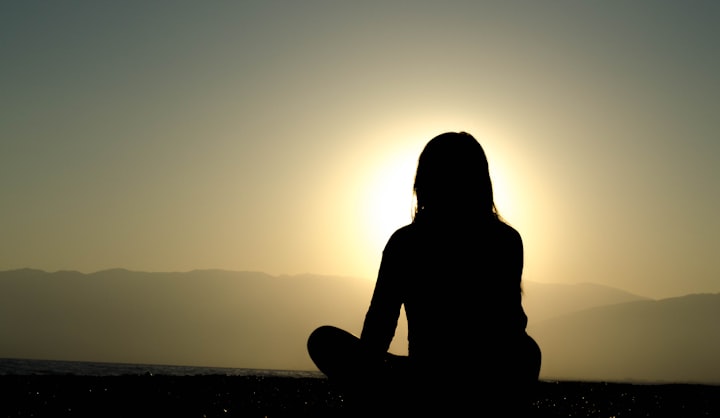
Introduction:
Welcome to "Unveiling the Essence of Meditation: A Path to Inner Peace and Tranquility." This eBook aims to demystify the ancient art of meditation, offering practical insights and guidance for individuals seeking to embark on a transformative journey of self-discovery. By exploring the depths of meditation, you can unlock the secrets of this powerful practice and experience its profound benefits.
Chapter 1: Understanding Meditation
1.1 The Origins of Meditation
Meditation has a rich history spanning thousands of years and is deeply rooted in various religious and spiritual traditions. It can be traced back to ancient civilizations such as those in India, China, and Egypt. The practice of meditation evolved as a means to explore the nature of the mind, attain higher states of consciousness, and connect with the divine.
1.2 Defining Meditation: Beyond Popular Misconceptions
Meditation is often misunderstood as simply sitting in silence or emptying the mind of all thoughts. However, it is much more than that. Meditation is a deliberate practice that involves training the mind to focus its attention and achieve a heightened state of awareness. It can take various forms, including focused attention, open monitoring, visualization, and contemplation.
1.3 The Science Behind Meditation
Over the past few decades, scientific research has extensively explored the effects of meditation on the brain and body. Studies have shown that regular meditation practice can lead to a range of benefits, such as reduced stress and anxiety, improved focus and concentration, increased emotional well-being, and enhanced cognitive abilities. Neuroimaging studies have also revealed structural and functional changes in the brain associated with meditation.
1.4 Benefits of Regular Meditation Practice
Engaging in regular meditation practice can have profound positive effects on both the mind and body. Some key benefits include:
Stress reduction and relaxation
Improved emotional well-being and resilience
Enhanced focus, attention, and cognitive abilities
Increased self-awareness and introspection
Improved relationships and empathy
Enhanced creativity and problem-solving skills
Boosted immune system and physical well-being
By understanding the origins, true nature, and scientific underpinnings of meditation, we can begin to appreciate its potential for personal growth and transformation. In the subsequent chapters, we will explore different meditation techniques, delve into the art of mindfulness, and discover ways to overcome challenges in meditation practice.
Chapter 2: Preparing for Meditation
2.1 Creating a Suitable Environment
Creating a conducive environment for meditation can greatly enhance your practice. Consider the following factors when setting up your meditation space:
Find a quiet and peaceful area where you won't be easily disturbed.
Keep the space clean and clutter-free to promote a sense of calmness.
Adjust the lighting to a level that is comfortable for you. Natural light or soft, dim lighting can be beneficial.
Use objects or elements that hold significance for you, such as candles, incense, or meaningful symbols, to create a sacred atmosphere.
Ensure that the room temperature is pleasant and comfortable.
2.2 Cultivating a Meditative Mindset
Preparing your mind before meditation can help you transition into a focused and receptive state. Consider the following practices:
Set an intention for your meditation session. Reflect on why you are meditating and what you hope to gain from the practice.
Take a few moments to engage in gentle stretching or relaxation exercises to release physical tension and prepare your body for stillness.
Practice deep breathing or a short mindfulness exercise to center yourself and calm your mind before entering the meditation session.
2.3 Physical Preparation for Meditation
Comfortable physical posture plays an essential role in meditation. Here are some guidelines to consider:
Find a posture that suits you, whether it's sitting cross-legged on a cushion, kneeling, or using a meditation bench or chair.
Ensure that your spine is upright but relaxed, allowing for the free flow of energy.
Relax your shoulders and keep your chest open, allowing for unrestricted breathing.
Rest your hands comfortably in your lap or on your thighs.
If necessary, use cushions or props to support your body and maintain a comfortable position throughout the practice.
2.4 Choosing the Right Meditation Technique
There are numerous meditation techniques available, each with its unique focus and approach. Consider the following factors when choosing a meditation technique:
Reflect on your goals and intentions for meditation. Are you seeking relaxation, stress reduction, self-discovery, or spiritual growth?
Explore different meditation traditions such as mindfulness, loving-kindness, transcendental meditation, or movement-based practices like yoga or Tai Chi.
Experiment with different techniques to find the one that resonates with you and supports your meditation goals.
Remember that the right technique may evolve over time as your needs and interests change.
By creating an appropriate environment, cultivating a meditative mindset, preparing your body for stillness, and selecting a suitable meditation technique, you can set the stage for a rewarding and fulfilling meditation practice. In the upcoming chapters, we will delve deeper into various meditation techniques and explore the art of mindfulness in detail.
Chapter 3: Exploring Meditation Techniques
Meditation encompasses a wide range of techniques, each offering its own unique approach and benefits. In this chapter, we will explore some popular meditation techniques to help you find the one that resonates with you. Remember that there is no one-size-fits-all approach, so feel free to experiment and adapt these techniques to suit your needs and preferences.
3.1 Mindfulness Meditation
Mindfulness meditation involves cultivating present-moment awareness and non-judgmental observation of your thoughts, emotions, and bodily sensations. To practice mindfulness meditation:
Find a comfortable seated position and bring your attention to the sensation of your breath.
Notice the thoughts, sensations, or emotions that arise, but avoid getting caught up in them.
Gently redirect your focus back to the breath whenever your mind wanders.
Cultivate a sense of acceptance and non-judgment towards whatever arises in your awareness.
3.2 Loving-Kindness Meditation
Loving-kindness meditation focuses on developing feelings of love, compassion, and goodwill towards oneself and others. Follow these steps to practice loving-kindness meditation:
Sit comfortably and bring to mind a person you care about, such as a loved one or a dear friend.
Repeat phrases or affirmations such as "May you be happy, may you be healthy, may you live with ease."
Expand your circle of compassion by extending these wishes to yourself, acquaintances, difficult individuals, and eventually all beings.
Cultivate a genuine sense of warmth, kindness, and compassion as you repeat the phrases.
3.3 Transcendental Meditation
Transcendental meditation (TM) is a technique that involves the use of a mantra—a word, sound, or phrase—to help focus and quiet the mind. Here's how to practice TM:
Sit comfortably and close your eyes.
Repeat a specific mantra silently or aloud, allowing the sound to flow effortlessly in your mind.
As thoughts or distractions arise, gently bring your attention back to the mantra.
Engage in this practice for 20 minutes, twice a day.
3.4 Mantra Meditation
Mantra meditation involves the repetition of a specific word, phrase, or sound to focus and calm the mind. To practice mantra meditation:
Choose a mantra that resonates with you, such as "Om," "So Hum," or any other meaningful word or phrase.
Sit comfortably and close your eyes.
Repeat the mantra silently or aloud, allowing its vibrations to occupy your mind and bring a sense of centeredness.
Whenever your attention drifts, gently bring it back to the repetition of the mantra.
3.5 Movement-Based Meditation (e.g., Yoga, Tai Chi)
Movement-based meditation techniques involve combining physical movement with mindfulness and breath awareness. Examples include yoga, Tai Chi, and walking meditation. Here's how to engage in movement-based meditation:
Choose a practice that suits you, such as a gentle yoga sequence or Tai Chi form.
Pay attention to your body's movements, sensations, and the breath as you flow through the practice.
Stay present and focused, allowing the movements to become a meditative experience.
Engage in these practices with a sense of mindfulness and awareness.
Remember that these are just a few examples of meditation techniques, and there are many more to explore. Feel free to experiment and find the techniques that resonate with you the most. In the next chapter, we will delve into the art of mindfulness and its transformative power in meditation practice.
Chapter 4: The Art of Mindfulness
Mindfulness is a key component of meditation and has gained significant recognition for its transformative effects on mental well-being and overall quality of life. In this chapter, we will explore the art of mindfulness and its practical applications in meditation practice and daily life.
4.1 Understanding Mindfulness
Mindfulness can be defined as the practice of intentionally paying attention to the present moment with an attitude of curiosity, non-judgment, and acceptance. It involves observing your thoughts, emotions, bodily sensations, and the surrounding environment without getting caught up in them or reacting impulsively.
4.2 Incorporating Mindfulness into Daily Life
Mindfulness extends beyond formal meditation sessions and can be integrated into your everyday activities. Here are some ways to incorporate mindfulness into your daily life:
Mindful Eating: Pay attention to the taste, texture, and sensations of each bite. Slow down and savor the experience.
Mindful Walking: Focus on the sensation of each step, the movement of your body, and the environment around you.
Mindful Listening: Truly listen to others without judgment or distraction, giving them your full presence and attention.
Mindful Pause: Take a few moments throughout the day to pause, breathe, and tune into the present moment.
4.3 Overcoming Challenges in Mindfulness Practice
Practicing mindfulness can sometimes be challenging, especially when faced with distractions or a busy mind. Here are some strategies to overcome common challenges:
Gentle Refocusing: Whenever you notice your mind wandering, gently bring your attention back to the present moment without self-judgment.
Non-Striving: Release the need to achieve a particular outcome or experience. Instead, embrace the process and allow the present moment to unfold naturally.
Self-Compassion: Be kind and patient with yourself. Understand that distractions and wandering thoughts are a normal part of the practice.
Formal Practice: Regularly engage in formal mindfulness meditation to cultivate a strong foundation of present-moment awareness.
4.4 Sustaining Mindfulness in Daily Life
Sustaining mindfulness in daily life requires consistent effort and practice. Here are some tips to help you maintain a mindful state throughout the day:
Set Reminders: Use cues like alarms or visual prompts to remind yourself to bring attention back to the present moment.
Anchor Points: Find anchor points in your daily routine, such as transitions between tasks or everyday activities, to pause and re-center yourself.
Gratitude Practice: Cultivate gratitude by intentionally noticing and appreciating the positive aspects of your life.
Mindful Communication: Practice mindful listening and speaking, allowing for deeper connection and understanding in your interactions.
By incorporating mindfulness into both formal meditation practice and daily life, you can cultivate a greater sense of presence, awareness, and acceptance. Mindfulness provides a powerful tool for managing stress, enhancing focus, and deepening self-understanding. In the following chapters, we will explore additional aspects of meditation and delve into ways to overcome obstacles on the meditative path.
Chapter 5: Nurturing Inner Awareness
Nurturing inner awareness is a fundamental aspect of meditation practice. It involves cultivating a deeper understanding of oneself, developing self-compassion, and expanding consciousness. In this chapter, we will explore various techniques and practices to foster inner awareness.
5.1 Deepening Self-Awareness through Meditation
Meditation provides a space for self-reflection and self-inquiry, allowing you to explore the depths of your being. Here are some ways to deepen self-awareness through meditation:
Body Scan: Direct your attention to different parts of your body, observing any sensations, tensions, or areas of discomfort.
Emotional Awareness: Notice and acknowledge the emotions that arise during meditation, without judgment or attachment.
Thoughts and Mental Patterns: Observe the thoughts passing through your mind, recognizing any recurring patterns or habits.
Witnessing Awareness: Cultivate the role of a witness or observer, gently observing the various aspects of your experience without getting entangled in them.
5.2 Cultivating Compassion and Gratitude
Compassion and gratitude are essential qualities to nurture during meditation. Here's how to cultivate them:
Loving-Kindness Meditation: Engage in loving-kindness meditation to develop compassion for yourself and others. Send well wishes and loving intentions towards yourself, loved ones, neutral individuals, and even difficult people.
Gratitude Practice: Take time during meditation to reflect on the things you are grateful for, appreciating the positive aspects of your life. This practice helps shift your focus towards abundance and cultivates a sense of joy and contentment.
5.3 Unveiling the Power of Visualization
Visualization is a powerful technique that can deepen your meditation practice. Here's how to incorporate visualization:
Guided Imagery: Envision serene and peaceful settings, such as a calm beach or a tranquil forest. Engage your senses and immerse yourself in the visualization.
Symbolic Visualization: Reflect on symbols or images that hold personal meaning for you. Visualize these symbols and explore their significance and potential guidance.
Inner Wisdom Visualization: Imagine connecting with your inner wisdom or a wise guide. Seek guidance, insights, or answers to questions that arise during your meditation.
5.4 Harnessing the Benefits of Breath Awareness
Breath awareness is a foundational practice in meditation that helps anchor your attention and cultivate present-moment awareness. Here's how to harness the benefits of breath awareness:
Focus on the Breath: Direct your attention to the sensations of the breath, observing its natural rhythm, temperature, and movement.
Counting the Breath: Count each inhalation and exhalation, starting from one and continuing up to a chosen count (e.g., ten), then begin again.
Following the Breath: Mentally track the breath's journey as it enters and leaves the body, noticing the subtle shifts in sensations.
Nurturing inner awareness through self-reflection, compassion, gratitude, visualization, and breath awareness supports your personal growth and deepens your connection with yourself. In the following chapter, we will explore ways to overcome obstacles that may arise during meditation and sustain long-term practice.
Chapter 6: Overcoming Obstacles in Meditation
Meditation is a transformative practice, but it is not without its challenges. In this chapter, we will explore common obstacles that may arise during meditation and discuss strategies to overcome them, allowing you to sustain and deepen your practice.
6.1 Restlessness and Wandering Thoughts
Restlessness and a wandering mind are common challenges in meditation. Here's how to overcome them:
Gentle Refocusing: When you notice your mind wandering, gently bring your attention back to the present moment without judgment or frustration. Use an anchor, such as the breath, to refocus your attention.
Labeling Thoughts: If you find your mind filled with thoughts, try labeling them as "thinking" and return to the object of your meditation. This helps create a sense of detachment from the thoughts.
6.2 Physical Discomfort or Restlessness
Physical discomfort or restlessness can be distracting during meditation. Here are some strategies to address them:
Adjust Your Posture: Find a comfortable sitting position that supports an upright spine while allowing your body to relax. Use cushions or props if needed.
Explore Gentle Movements: If physical discomfort arises, gently shift or stretch your body to release tension. Incorporate mindful movements or walking meditation to ease restlessness.
6.3 Impatience and Frustration
Impatience and frustration can arise when expectations of progress or experiences in meditation are not met. To overcome these challenges:
Cultivate Patience: Recognize that meditation is a lifelong practice, and progress happens gradually. Embrace the present moment and the process without attachment to specific outcomes.
Practice Self-Compassion: Be kind to yourself and acknowledge that difficulties and setbacks are natural. Offer yourself words of encouragement and understanding.
6.4 Dealing with Strong Emotions
Strong emotions may surface during meditation, which can be unsettling. Here's how to navigate them:
Observe without Judgment: Allow the emotions to arise and pass without getting caught up in them or trying to suppress them. Observe them with curiosity and compassion, recognizing their impermanent nature.
Grounding Techniques: If the emotions feel overwhelming, bring your attention to the sensations in your body or anchor yourself with the breath to create stability and calmness.
6.5 Inconsistent or Lapsed Practice
Maintaining consistency in your meditation practice can be challenging. To overcome inconsistency or lapses:
Set Realistic Goals: Start with small achievable goals and gradually increase the duration or frequency of your practice. Make it a priority in your daily routine.
Cultivate Discipline: Approach meditation with discipline and commitment, even on days when motivation is low. Remind yourself of the benefits and long-term goals.
Remember that obstacles are a natural part of the meditation journey. By approaching them with patience, self-compassion, and a gentle resolve, you can navigate through them and deepen your practice. In the next chapter, we will explore ways to sustain long-term meditation practice and integrate it into your lifestyle.
Chapter 7: Embarking on a Transformative Journey
Meditation is not merely a practice; it is a transformative journey that can profoundly impact your life. In this final chapter, we will explore ways to sustain and integrate meditation into your daily life, allowing it to become a lifelong journey of self-discovery and growth.
7.1 Cultivating a Daily Meditation Routine
Establishing a daily meditation routine is crucial for sustaining your practice. Consider the following tips:
Set a Regular Time: Choose a time of day that works best for you, whether it's early morning, during a lunch break, or in the evening. Consistency is key.
Create a Sacred Space: Designate a dedicated meditation space in your home that inspires tranquility and helps you immerse yourself in the practice.
Start Small: Begin with shorter sessions and gradually increase the duration as your practice deepens. Consistency is more important than duration.
7.2 Integrating Mindfulness into Daily Activities
Meditation is not limited to formal practice; it can permeate all aspects of your life. Here are some ways to integrate mindfulness into daily activities:
Mindful Eating: Pay attention to the taste, texture, and nourishment of each bite, savoring the experience fully.
Mindful Communication: Listen attentively to others, speak consciously, and respond with intention, fostering deeper connections and understanding.
Mindful Movement: Engage in activities such as yoga, walking, or cleaning with full awareness of your body, breath, and sensations.
7.3 Seeking Guidance and Support
Embarking on a transformative journey benefits from guidance and support. Consider the following options:
Teachers and Mentors: Seek out experienced meditation teachers or mentors who can provide guidance, answer questions, and offer insights along your path.
Meditation Groups or Retreats: Join local meditation groups or participate in retreats to connect with a community of practitioners and deepen your practice.
Resources: Explore books, podcasts, online courses, and apps that offer teachings and guidance in meditation.
7.4 Embracing Mindful Living
As you continue on your meditation journey, allow its principles to permeate your daily life. Embrace mindful living in the following ways:
Cultivate Gratitude: Practice gratitude for the simple joys and blessings in your life, fostering a positive outlook and appreciation.
Embody Compassion: Extend compassion and kindness to yourself and others, embracing empathy, understanding, and forgiveness.
Embrace Impermanence: Recognize the impermanent nature of all things, allowing you to embrace change, let go of attachments, and find freedom.
7.5 Embracing the Unfoldment of Your Journey
Approach your meditation journey with openness and curiosity, knowing that it will evolve over time. Embrace the ups and downs, the challenges and breakthroughs, and the growth that unfolds along the way. Trust in the transformative power of the practice and stay committed to your own self-discovery and inner transformation.
Congratulations on embarking on this transformative journey of meditation! May it bring you clarity, peace, and profound insights as you continue to explore the depths of your being. Remember to be patient, kind to yourself, and enjoy the journey every step of the way.
About the Creator
Keep reading
More stories from sourav saha and writers in Motivation and other communities.
Sleep well,live well: the importance of quality sleep for health
Once upon a time, in the bustling city of Dreamville, there lived a young girl named Lily. Lily was an energetic and adventurous child, always eager to explore the wonders of the world around her. She loved running through meadows, climbing trees, and engaging in imaginative play with her friends. However, there was one thing that troubled Lily's parents – her difficulty falling asleep and getting quality rest.
By sourav saha3 years ago in Motivation
30 Days Talking to Strangers in Amsterdam — Day 17 Ended My Panic Attacks
The Stranger Who Answered Back How talking to one stranger every single day for 30 days in Amsterdam quietly ended my panic attacks I used to think Amsterdam was the loneliest city on earth. You know the feeling — you’re surrounded by 900,000 people, bikes whizzing past, trams dinging, canal water lapping at your feet… and still feel completely invisible. My panic attacks had gotten so bad by January 2026 that I’d started avoiding the tram altogether. Heart racing at red lights, palms sweating in the rain, convinced everyone could see I was one deep breath away from falling apart. So on February 1st I made a stupid promise to myself: talk to one stranger every single day for 30 days. No small talk rules. No “nice weather” cop-outs. One real sentence. One genuine question. Nothing more. I had no idea that promise would save my life. The Awkward First Ten Days Day 1 was humiliating. I stood at the Albert Cuyp Market like a statue until a woman in a bright yellow raincoat picked up the last bunch of tulips. “Those are beautiful,” I blurted. She smiled, said “They’re for my mother’s grave,” and walked away. I wanted to disappear into the cobblestones. Day 3: A guy locking his bike near the Rijksmuseum. I asked how his day was going. He answered in perfect English, “Tired, man. My wife left yesterday.” I froze. He laughed at my face and said, “Relax, it’s been two years. You’re the first person who’s asked in months.” By day 8 I was getting braver. A barista at my usual spot on De Pijp told me her dream of opening a cat café in Portugal. On day 10 an old lady on the 12 tram scolded me for not offering my seat — then spent the next six stops telling me about her husband who died in 1998 and how she still sets the table for two. Every conversation felt like jumping off a cliff. My chest still tightened. My voice still shook. But something tiny was shifting. I was no longer invisible to the city — and the city was no longer invisible to me. The Day Everything Changed Day 17. A grey Thursday. I was exhausted, rain pouring sideways, and seriously considering quitting the whole stupid experiment. I ducked into Vondelpark under a big oak tree near the rose garden. There he was — sitting on a wet bench in a wool coat that had seen better decades. Silver hair, bright blue eyes, holding a small thermos like it was the only warm thing left in the world. I sat. Heart hammering. Then I did what I’d been doing for seventeen days straight. “Excuse me… do you mind if I ask what you’re drinking?” He looked at me for a long moment, like he was deciding whether I was worth the words. Then he smiled — the kind of smile that reaches the eyes first. “Turkish coffee,” he said in a thick Dutch accent. “My wife taught me. She died eleven years ago today.” I swallowed. “I’m so sorry.” He waved it away gently. “Don’t be. She would have liked you. You’re the first person in months who’s looked me in the eye instead of at their phone.” We talked for forty-three minutes. His name was Hendrik. He’d been a ship captain on the IJ for thirty-seven years. Lost his wife to cancer. Raised two daughters who now live in Australia. And then he said the sentence that cracked my entire life open: “You know what I learned after she was gone? Panic is just the mind trying to live tomorrow today. The only thing you can control is this moment — and whether you’re brave enough to share it with someone.” He tapped my knee. “You’re scared right now. I can see it in your shoulders. But you still sat down and asked an old man about his coffee. That’s how you win against the fear, jongen. One small yes at a time.” I cried on the tram home. Not pretty tears — ugly, snotty, shoulder-shaking ones. For the first time in two years, the tightness in my chest wasn’t panic. It was relief. The Last Thirteen Days & What Actually Changed The rest of the month felt different. I stopped forcing conversations and started enjoying them. A Syrian refugee who bakes the best pistachio baklava near Nieuwmarkt. A teenage girl practicing guitar by the canals who let me record her song. A stressed-out delivery cyclist who ended up inviting me for a beer after his shift. My panic attacks didn’t vanish overnight — but they lost their power. When the racing heart came, I heard Hendrik’s voice: This moment. Share it. So I would turn to whoever was nearest and ask one small question. Every single time, the fear shrank. By day 30 I wasn’t the same person who started. I smiled at strangers without thinking. I slept through the night. I even took the tram during rush hour without counting exits. What I Wish I’d Known Sooner Talking to strangers didn’t fix me. It reminded me I was never broken — just disconnected. In a city as beautiful and busy as Amsterdam, it’s ridiculously easy to feel alone. We all walk around wearing invisible headphones. But when you take them off for thirty days and actually see people, something magical happens. You realise every single person is carrying their own quiet storm — and most of them are desperate for someone to notice. Hendrik was right. The panic wasn’t in my chest. It was in the story that I had to do life alone. Your Turn I’m not saying you have to talk to a stranger every day for a month (though… why not?). Start smaller. Next time you’re waiting for coffee, on the tram, or sitting on a bench in Vondelpark — look up. Smile. Ask one real question. You might just meet the stranger who answers back. And who knows? They might be carrying exactly the words you’ve been waiting your whole life to hear.
By Shoaib Afridi7 days ago in Motivation




Comments
There are no comments for this story
Be the first to respond and start the conversation.