
The Science Behind Weight Loss: How Your Body Burns Fat
7-reasons-youre-not-losing-weight


The Science Behind Weight Loss: How Your Body Burns Fat
Weight loss is a topic that captivates millions of people around the world. With the prevalence of obesity and its associated health risks, understanding how the body burns fat has become increasingly important. To shed light on this process, let's delve into the science behind weight loss and how your body burns fat.
The body's primary source of energy is glucose, derived from carbohydrates. When you consume a meal rich in carbohydrates, your body breaks down these complex molecules into glucose, which enters the bloodstream. The hormone insulin is then released by the pancreas to help transport glucose into the cells for energy production or storage.
However, when glucose levels are low, such as during a prolonged period of fasting or a low-carbohydrate diet, the body switches to an alternative energy source: fat. Fat is stored as adipose tissue throughout the body and can be broken down into fatty acids and glycerol to fuel cellular processes.
The process of fat breakdown, known as lipolysis, is controlled by various factors, including hormones, enzymes, and other metabolic signals. The main hormone involved in lipolysis is adrenaline, also known as epinephrine. When adrenaline is released by the adrenal glands, it binds to receptors on fat cells, activating an enzyme called hormone-sensitive lipase (HSL). HSL then breaks down triglycerides, the main form of stored fat, into fatty acids and glycerol.
Once released into the bloodstream, fatty acids are transported to different tissues, including muscle cells, where they enter the mitochondria - the powerhouse of the cell. In the mitochondria, fatty acids undergo a process called beta-oxidation, where they are further broken down into acetyl-CoA. This acetyl-CoA then enters the citric acid cycle, also known as the Krebs cycle, where it is oxidized to produce ATP (adenosine triphosphate), the body's energy currency.
It's important to note that the body doesn't exclusively burn fat or glucose for fuel. Even during periods of fasting or low-carbohydrate intake, the body still relies on a mix of both energy sources. The ratio depends on various factors, including the intensity and duration of exercise, metabolic rate, and individual sensitivity to carbohydrates.
Furthermore, the concept of spot reduction, where you can target fat loss in specific areas of the body, is a myth. When the body breaks down fat, it does so uniformly throughout the body, based on genetic and hormonal factors. Regular exercise and a balanced diet can help reduce overall body fat percentage, leading to a more proportionate appearance.
In addition to understanding how the body burns fat, it's important to consider various factors that influence weight loss. Caloric deficit plays a crucial role - when you consume fewer calories than your body needs, it is forced to mobilize stored fat for energy. However, extreme calorie restriction can lead to muscle loss and metabolic slowdown. A moderate and sustainable caloric deficit, coupled with regular physical activity, is often the most effective weight loss approach.
Moreover, muscle mass influences the body's ability to burn fat. Muscles are metabolically active tissue, meaning they burn calories even at rest. By engaging in resistance training, you can build and maintain lean muscle mass, which boosts your basal metabolic rate. This increased metabolic rate allows you to burn more calories, even when you're not exercising, facilitating fat loss.
Lastly, other factors, such as sleep quality, stress levels, and overall dietary composition, can impact weight loss. Poor sleep disrupts hormones involved in hunger regulation, leading to increased appetite and cravings for high-calorie foods. Chronic stress can elevate cortisol levels, which can contribute to weight gain. A well-balanced diet with an emphasis on whole foods, lean proteins, healthy fats, and fiber can support weight loss efforts.
In conclusion, weight loss is a complex process that involves the breakdown of stored fat for energy. Understanding the science behind fat burning and the factors affecting it can empower individuals to make informed lifestyle choices. By incorporating regular exercise, maintaining a sustainable caloric deficit, and focusing on overall health and well-being, you can optimize your body's ability to burn fat and achieve your weight loss goals.
About the Creator
Keep reading
More stories from Ernest Osei and writers in Motivation and other communities.
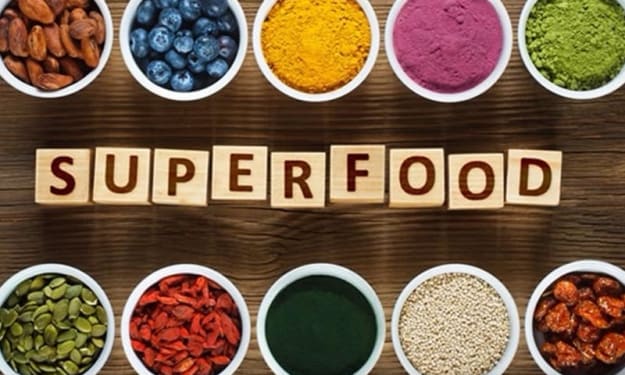
Superfoods: Top 15 Nutrient-Rich Foods You Should Include in Your Diet
Superfoods: Top 15 Nutrient-Rich Foods You Should Include in Your Diet Proper nutrition is essential for maintaining good health and preventing chronic diseases. While all fruits and vegetables offer nutritional benefits, certain foods are considered "superfoods" due to their exceptional nutrient content. These superfoods are packed with vitamins, minerals, antioxidants, and other compounds that promote wellness. In this article, we will explore the top 15 superfoods you should include in your diet to boost your health and well-being.
By Ernest Osei3 years ago in Motivation
Am I a Failure?
I think almost every teenager has had a moment where they look at their life and think, “What am I even doing?” Sometimes it feels like everyone else is moving forward while you’re just standing in the same place. You see people getting good grades, being talented at sports, having a clear plan for their future, or just seeming confident about everything. And then you look at yourself and start wondering if you’re falling behind.
By frenzied 4 days ago in Motivation
The Man Who Became a Lightning Rod: The Unbelievable Life of Roy Sullivan
In the vast, unpredictable theater of the natural world, there are statistical anomalies, and then there is Roy Cleveland Sullivan. To the average person, the odds of being struck by lightning in a given year are roughly one in a million. The odds of being struck seven times? Those are calculated at approximately 1 in 100,000,000,000,000,000,000,000,000 (that’s a septillion).
By Frank Massey 4 days ago in Motivation



Comments
There are no comments for this story
Be the first to respond and start the conversation.