
The Science and Strategy Behind a Younger Brain
For a Scientific Yet Accessible Tone
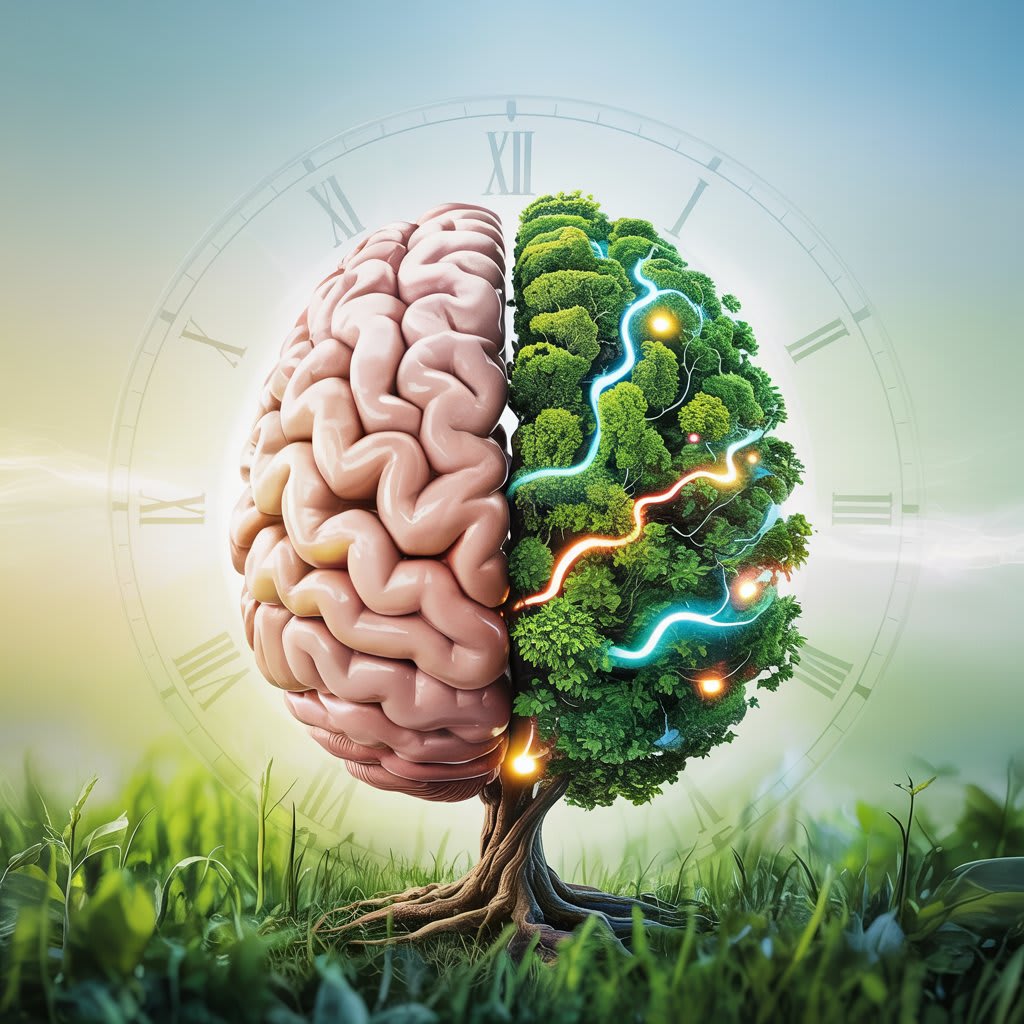
Simple Shifts That Can Keep Your Mind Sharp, Agile, and Ageless
Aging is inevitable—but what if the aging of your brain wasn’t?
While wrinkles and gray hairs may be visible reminders of the passage of time, the brain ages much more quietly. Subtle memory lapses, foggy thinking, slower learning—all of these are signs we tend to accept as part of “getting older.” But modern neuroscience tells a different story: your brain doesn’t have to age at the same rate as your body. In fact, with the right strategies, you can slow down, and in some ways reverse, the mental wear and tear that often comes with age.
This isn’t science fiction. It’s science-backed action.
Understanding Brain Aging: What Really Happens?
As we age, our brains undergo both structural and functional changes. The volume of the brain gradually decreases, especially in regions like the hippocampus and prefrontal cortex—areas critical for memory, decision-making, and learning. Neurotransmitters decline, blood flow reduces, and the brain’s ability to form new connections (neuroplasticity) becomes less efficient.
But here's the twist: these changes aren’t entirely unavoidable. Genetics play a role, yes, but lifestyle and environment play a huge part—arguably the bigger one. In other words, how you live has a direct impact on how your brain ages.
Let’s break down the most effective, research-backed ways to preserve your brain’s youth.
1. Feed Your Brain: The Power of Nutrition
Food is fuel—but some foods are premium-grade jet fuel for the brain.
Omega-3 fatty acids, found in fatty fish like salmon and sardines, help maintain the structure of brain cells and reduce inflammation.
Berries, especially blueberries, are packed with antioxidants that protect the brain from oxidative stress.
Leafy greens, nuts, seeds, and whole grains provide essential vitamins like E and B-complex, all of which support cognitive function.
The Mediterranean diet, rich in plant-based foods, lean proteins, and healthy fats, has been linked to a lower risk of dementia and cognitive decline.
Small shifts in your diet—like replacing processed snacks with brain-boosting options—can have a lasting impact on mental clarity and memory retention.
2. Move More, Think Better
Exercise isn’t just for your heart and waistline—it’s a brain booster, too.
Physical activity increases blood flow to the brain, which delivers more oxygen and nutrients to neurons. More importantly, it stimulates the production of brain-derived neurotrophic factor (BDNF)—a protein that promotes the growth of new brain cells and strengthens existing ones.
You don’t need to train for a marathon. Just 30 minutes of brisk walking, five days a week, can elevate mood, improve memory, and protect against age-related cognitive decline.
3. Stay Curious: Learn Something New
The brain is like a muscle—it gets stronger the more you use it.
Challenging your brain with new tasks promotes neuroplasticity, the brain's ability to form new neural connections. This is one of the most powerful tools you have against aging.
Try:
Learning a new language
Picking up an instrument
Solving puzzles, crosswords, or Sudoku
Taking online courses or reading about unfamiliar subjects
The goal is to engage in mentally stimulating activities that are just outside your comfort zone.
4. Sleep: Your Brain’s Nightly Detox
During sleep, your brain performs vital housekeeping tasks: consolidating memories, clearing out toxins, and resetting for the next day.
Poor sleep is directly linked to brain fog, poor focus, mood swings, and even long-term cognitive decline. Adults should aim for 7–9 hours of quality sleep per night. That means:
Keeping a regular sleep schedule
Avoiding screens at least an hour before bed
Creating a dark, quiet, cool sleep environment
It’s not just about the quantity of sleep—but the quality.
5. Stress Less: Protect Your Brain from Burnout
Chronic stress is toxic to the brain. It shrinks the hippocampus (your memory center), disrupts sleep, and increases inflammation—all of which accelerate cognitive aging.
Simple stress-reduction techniques can make a world of difference:
Mindfulness meditation, even for 10 minutes a day, has been shown to increase gray matter in key areas of the brain.
Deep breathing, journaling, spending time in nature, and cultivating social connections are all powerful ways to protect your mental well-being.
Don't wait until burnout hits. Make daily relaxation a non-negotiable part of your mental health routine.
6. Stay Connected: Social Health is Brain Health
Humans are wired for connection. Social interaction stimulates memory, attention, and language—keeping multiple brain areas active at once.
Studies show that people with strong social ties have a lower risk of cognitive decline. Whether it’s a phone call with a friend, joining a book club, or volunteering, human connection is more than emotional support—it’s cognitive fuel.
Conclusion: You Hold the Blueprint
A youthful brain isn’t about denying age—it’s about defying its negative effects through smart, intentional choices.
You don’t need to overhaul your life overnight. Start small. Walk more. Eat colorfully. Sleep deeply. Stay curious. Breathe mindfully. Talk often.
Science shows us that brain aging isn’t just a fate—it’s a field you can shape.
So why not start rewiring time today?
About the Creator
Keep reading
More stories from Sami Ullah and writers in Motivation and other communities.
One Hard Thing
Stop me if you’ve heard this one before: You have the number, you know your schedule- you’ve even picked out the perfect day and time to make this appointment. Shoot, you’ve even picked out alternative days and times just in case their schedules can’t accommodate you!
By Taylor Rigsby7 days ago in Motivation
What If Outcomes Are Only the Surface
It’s natural to judge life by outcomes. We look at what people do, how things turn out, what succeeds, what fails, what appears healthy, and what collapses. Outcomes are visible. They give the impression of clarity. When something goes wrong, we search for the moment it happened. When something goes right, we look for the decisive action that made the difference. But what if this instinct keeps us focused on the least informative part of the story.
By Peter Thwing - Host of the FST Podcast3 days ago in Motivation



Comments
There are no comments for this story
Be the first to respond and start the conversation.